

Compare custom and bespoke clothing by fit, cost, production time, and personalization. Find which option best suits your apparel brand and target market.
Personalization has become an important part of modern fashion. Apparel brands are increasingly offering garments with customized designs, fits, fabrics, and finishing details to meet different customer expectations.
But custom and bespoke clothing are not the same. The main difference lies in how the garment is designed, patterned, fitted, and produced.
For fashion brands, understanding this difference can help determine which production model fits their target market, product range, and budget. My Apparel Manufacturer supports international brands with custom apparel development, sampling, fabric sourcing, and private label production for different apparel categories.
This guide explains Bespoke Clothing and custom clothing, including their production methods, costs, lead times, benefits, and suitability for apparel brands.
What Is Custom Clothing?
Custom clothing is apparel made by modifying an existing design, pattern, or production base according to specific requirements. Instead of creating every garment from the beginning, manufacturers use established patterns and adjust selected elements.
Customization may include:
- Fabric selection
- Color and print changes
- Logo or branding placement
- Pocket and zipper options
- Trim and hardware selection
- Size adjustments
- Design modifications
This approach gives brands more flexibility without the cost and time associated with developing a completely new pattern for every garment.
For example, a clothing brand may start with an existing hoodie pattern and customize the fabric weight, colors, measurements, labels, artwork, and packaging. The result is a product designed around the brand’s requirements while using an efficient production process.
Custom clothing is particularly suitable for:
- Startups and emerging fashion brands
- Streetwear companies
- E-commerce apparel businesses
- Corporate clothing suppliers
- Wholesale clothing brands
- Brands testing new product concepts
The biggest advantage is scalability. Brands can introduce customized products while keeping production more efficient than a fully individualized garment process.
What Is Bespoke Clothing?
Bespoke Clothing is created specifically around an individual client’s requirements. The garment is developed with a high level of attention to fit, measurements, construction, fabric, and design details.
Unlike standard custom production, a traditional bespoke process normally begins with the development of an individual pattern. The garment can then go through fittings and adjustments before the final version is completed.
A bespoke process may include:
- Individual body measurements
- Pattern development
- Fabric and lining selection
- Design consultations
- Initial fitting
- Pattern adjustments
- Multiple fitting stages
- Detailed finishing
The exact process depends on the garment category and manufacturer.
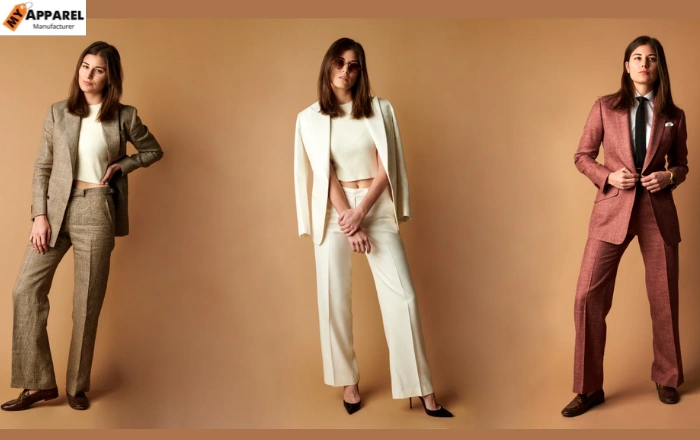
Bespoke production is commonly associated with luxury tailoring, formalwear, suits, coats, and other premium garments where fit and craftsmanship are major selling points.
For fashion brands, bespoke products can create a stronger sense of exclusivity. They are often positioned at a higher price point because more development, fitting, and production work goes into each garment.
Custom vs Bespoke Clothing: Main Differences
The difference between custom and bespoke clothing becomes clearer when comparing their development and production processes.
| Feature | Custom Clothing | Bespoke Clothing |
| Pattern | Existing or adapted pattern | Pattern developed specifically for the client |
| Fit | Standardized with adjustments | Highly individualized |
| Fittings | Limited or sometimes none | Multiple fittings may be required |
| Design flexibility | High | Very high |
| Production speed | Faster | Slower |
| Cost | Moderate | Higher |
| Production model | More scalable | More specialized |
| Best for | Growing and established brands | Luxury and highly personalized collections |
Custom production focuses on flexibility and scalability, while bespoke production focuses more heavily on individual fit, craftsmanship, and exclusivity.
This distinction is important for brands deciding how much personalization they want to offer.
How Does Bespoke Clothing Production Work?
The production process for Bespoke Clothing depends on the garment and the manufacturer’s capabilities. However, it usually involves more development stages than standard custom manufacturing.
1. Design Consultation
The process starts by defining the garment’s style, intended fit, fabric, construction details, and functional requirements.
For brands, this stage can also include discussions about the target market, product positioning, branding, and desired retail price.
2. Measurements and Fit Requirements
Accurate measurements are important when the garment is being developed for a specific person or highly specific fit requirement.
Measurements may include chest, waist, shoulder width, sleeve length, garment length, and other dimensions depending on the product.
3. Pattern Development
A pattern is created or significantly adjusted according to the required measurements and design.
This stage helps determine the final shape, proportions, and construction of the garment.
4. Prototype and Fitting
A prototype or sample can be produced for evaluation. During fitting, the manufacturer can identify areas that require adjustment.
For premium products, more than one fitting may be used to achieve the desired result.
5. Final Production
After the fit and design are approved, the final garment can be produced using the selected fabric, trims, labels, and finishing specifications.
This detailed process is one reason bespoke garments generally require more development time than standardized custom products.
Custom vs Bespoke: Cost and Lead Time
Cost is another major difference between custom and bespoke clothing.
Custom garments generally have lower production costs because manufacturers can work from established patterns and standardized processes. This makes them more suitable for brands ordering multiple pieces.
Bespoke garments can cost more because they may require additional pattern development, fittings, specialized labor, premium fabrics, and detailed finishing.
The final cost depends on factors such as:
- Garment type
- Fabric composition
- Pattern complexity
- Order quantity
- Number of fittings
- Construction details
- Embroidery or printing
- Labels and trims
- Packaging requirements
Lead times also vary. A straightforward custom product may move through development and production faster than a highly individualized bespoke garment.
For this reason, brands should evaluate cost and production time together with the level of personalization they need.
Which Option Is Better for Apparel Brands?
There is no single answer because custom and bespoke clothing serve different business models.
Choose Custom Clothing When:
Custom production may be the better option if your brand:
- Needs scalable production
- Wants to control manufacturing costs
- Offers multiple styles or colorways
- Sells through e-commerce or wholesale
- Needs consistent sizing across a collection
- Plans regular repeat orders
Custom clothing gives brands room to personalize products without making every garment a completely individual development project.
Choose Bespoke Clothing When:
Bespoke production may be more suitable if your brand:
- Operates in the luxury market
- Targets premium customers
- Offers highly personalized garments
- Places strong emphasis on fit
- Produces limited-edition products
- Uses craftsmanship as a key selling point
For luxury brands, Bespoke Clothing can become part of the brand experience rather than simply a manufacturing method.
Can Brands Combine Custom and Bespoke Clothing?
Yes. Many apparel businesses can use both approaches within the same product strategy.
For example, a fashion brand could offer a core collection using custom manufacturing while introducing a premium bespoke line for selected customers.
This creates different product levels without forcing the entire business to operate under a bespoke model.
A brand could structure its range like this:
Core Collection:
Standardized custom garments designed for scalable production.
Premium Collection:
More customization, upgraded fabrics, and additional design details.
Bespoke Collection:
Highly individualized garments developed around specific measurements and requirements.
This model allows brands to serve different customer segments while maintaining a clear product hierarchy.
What Makes Bespoke Clothing Valuable for Luxury Brands?
The value of Bespoke Clothing goes beyond personalization.
For luxury brands, a bespoke product can strengthen the perceived value of a collection through:
Individual Fit
The garment is developed around specific measurements and fit requirements rather than relying entirely on standard sizing.
Design Exclusivity
Customers can have greater input into fabrics, colors, construction details, and finishing.
Premium Craftsmanship
Additional development and production attention can support a more refined final product.
Brand Differentiation
Bespoke services can help luxury brands create an experience that is difficult to replicate through mass-market apparel.
For this reason, bespoke products are often positioned as premium offerings rather than volume-driven products.
How Technology Is Changing Bespoke Clothing
Technology is also changing how personalized garments are developed.
Digital pattern-making systems, 3D visualization, virtual prototyping, and advanced measurement technologies can help manufacturers improve accuracy while reducing unnecessary development work.
These technologies can support:
- Faster design revisions
- More accurate measurements
- Better fit visualization
- Reduced sample waste
- Improved communication between brands and manufacturers
However, technology does not remove the importance of skilled pattern development and garment construction. The best results come from combining modern production tools with experienced apparel professionals.
How My Apparel Manufacturer Supports Apparel Brands
Choosing the right manufacturing partner is important when developing either custom or premium apparel.
My Apparel Manufacturer works with international clothing brands on product development, sampling, fabric sourcing, and apparel manufacturing. The company supports different garment categories and production requirements for brands selling into global markets.
For brands developing customized collections, the process can include design development, fabric selection, sample production, and bulk manufacturing.
For premium products, manufacturers need to pay closer attention to pattern accuracy, fabric quality, construction, and finishing.
The right production approach should therefore match the brand’s product positioning rather than simply focusing on the lowest manufacturing cost.
Custom vs Bespoke Clothing: Which Should You Choose?
Custom and bespoke clothing both offer personalization, but they are designed for different production needs.
Custom clothing is generally better for brands that need flexibility, efficiency, consistent sizing, and scalable production.
Bespoke clothing is more suitable for premium products where individual fit, exclusivity, and detailed craftsmanship are central to the customer experience.
For most growing apparel brands, custom manufacturing provides a practical foundation for scaling a collection. Luxury brands can then introduce Bespoke Clothing as a premium service or limited product line.
The best choice depends on your target customer, product category, production volume, price point, and desired level of personalization.
Conclusion
Custom and bespoke clothing are not interchangeable terms. Custom apparel usually modifies an existing production base, while bespoke garments involve a more individualized development process focused on fit, measurements, and exclusivity.
For brands, the right choice depends on the role personalization plays in the product strategy.
If your priority is scalability and cost efficiency, custom manufacturing can provide a strong production model. If your brand competes in the luxury segment and personalization is part of the customer experience, Bespoke Clothing can offer greater exclusivity and perceived value.
My Apparel Manufacturer helps fashion brands develop and manufacture customized apparel with support across product development, sampling, fabric sourcing, and bulk production.
FAQs
1. What is bespoke clothing?
Bespoke clothing is developed specifically around an individual’s measurements, fit requirements, and design preferences. It typically involves individual pattern development and may include multiple fittings.
2. What is the difference between custom and bespoke clothing?
Custom clothing usually starts with an existing or adaptable pattern, while bespoke clothing involves a more individualized pattern and fitting process.
3. Is bespoke clothing more expensive than custom clothing?
Generally, yes. Bespoke garments can require additional pattern development, fittings, labor, premium materials, and finishing, which can increase the overall cost.
4. How long does bespoke clothing take to produce?
The timeframe depends on the garment, materials, pattern development, fittings, and production requirements. Bespoke products generally take longer than standardized custom garments.
5. Is bespoke clothing only for luxury brands?
No. However, the higher level of personalization makes bespoke production particularly suitable for luxury, premium, formalwear, and limited-edition products.
6. Can apparel manufacturers produce bespoke clothing?
Yes. Manufacturers with suitable pattern-making, sampling, and production capabilities can support bespoke or highly personalized apparel projects.
7. Should startups choose custom or bespoke clothing?
Custom manufacturing is usually more practical for startups because it offers greater scalability and cost control. Bespoke production can be introduced later for premium or limited-edition products.
8. Can a brand offer both custom and bespoke clothing?
Yes. A brand can use custom manufacturing for its main collection and offer bespoke products as a premium tier for customers who want greater personalization.