


Introduction
Garments manufacturing in China plays a critical role in the global fashion and apparel industry. As one of the world’s largest clothing production hubs, China supports brands, startups, and wholesalers with scalable manufacturing, advanced technology, and diverse fabric sourcing. From small custom orders to bulk clothing manufacturing, understanding how the system works helps brands make smarter sourcing decisions.
In this guide, MY APPAREL MANUFACTURER explains the complete garment manufacturing process in China — including materials, workflows, production methods, cost factors, and supply chain operations — in a clear, step-by-step format.
Overview of Garments Manufacturing in China
A clothing manufacturer in China typically operates within a structured apparel manufacturing ecosystem that includes textile suppliers, garment factories, quality control teams, logistics partners, and export services.
An apparel manufacturer in China may function as:
- A garment factory in China handling cut and sew manufacturing
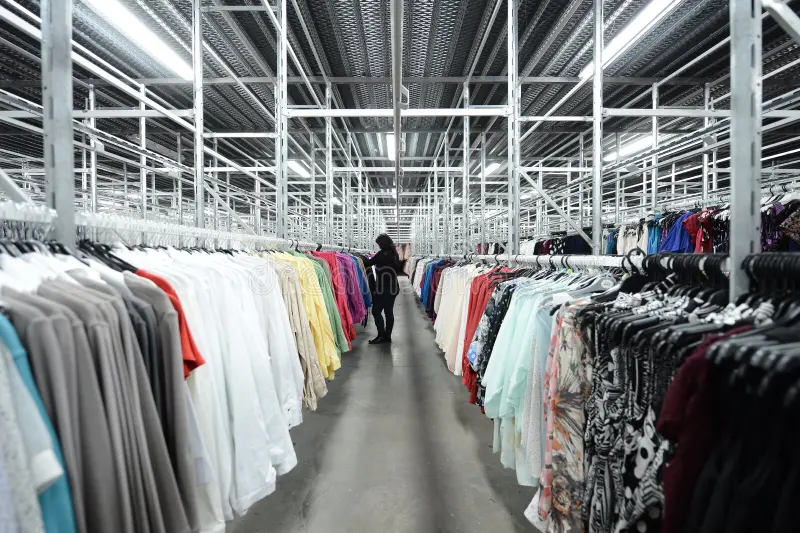
- A clothing factory in China focused on bulk apparel production
- An OEM garment manufacturer China producing from client designs
- An ODM clothing manufacturer China offering design + production
- A private label clothing manufacturer China supporting branding needs
This flexibility makes China suitable for both large fashion brands and clothing manufacturing for startups.
Garments Manufacturing in China Process Explained Step by Step
1. Design & Apparel Sampling Process
The garment manufacturing process begins with design finalization. Brands submit tech packs detailing measurements, fabrics, trims, and construction. Factories then start the apparel sampling process, producing samples to test fit, fabric behavior, and stitching quality.
Sampling ensures accuracy before mass production and helps avoid costly revisions.
2. Fabric Sourcing & Material Selection
Fabric sourcing in China is one of its strongest advantages. Manufacturers access a wide textile supply chain offering:
- Cotton fabric manufacturing China
- Polyester fabric production China
- Sustainable fabrics in China
- Eco-friendly garment manufacturing materials
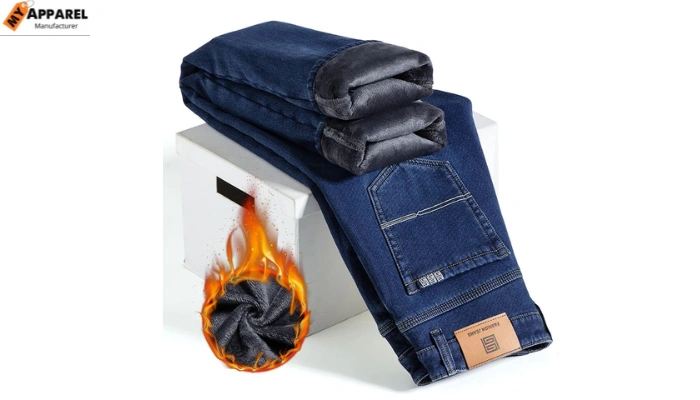
Common fabrics used in garment manufacturing include cotton, polyester, blends, French terry, fleece, denim, and recycled textiles. Selecting the right textile materials for clothing directly impacts cost, durability, and market positioning.
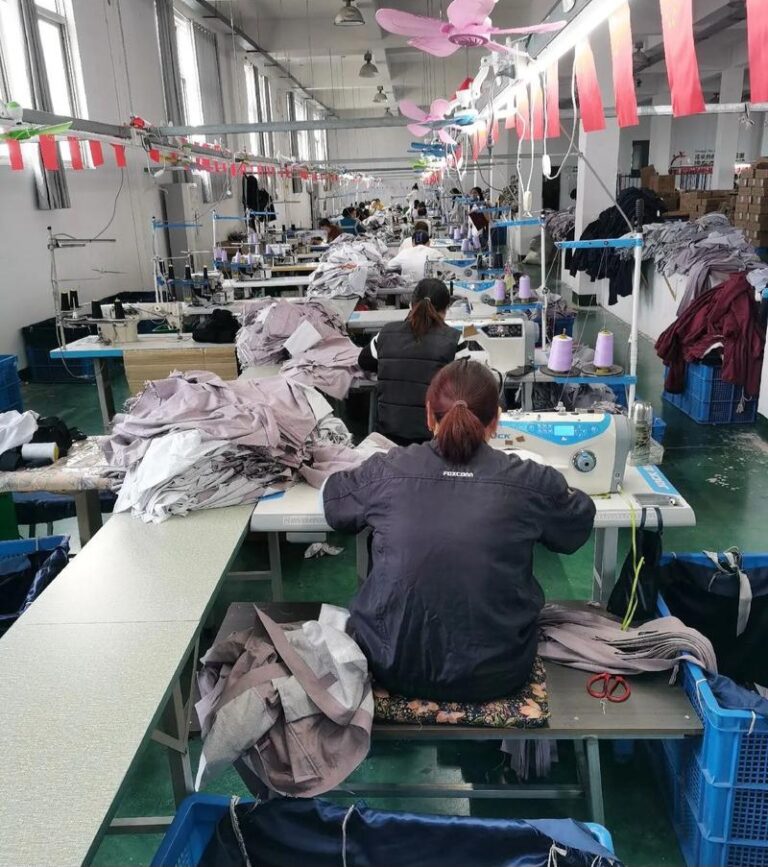
3. Fabric Cutting and Sewing Process
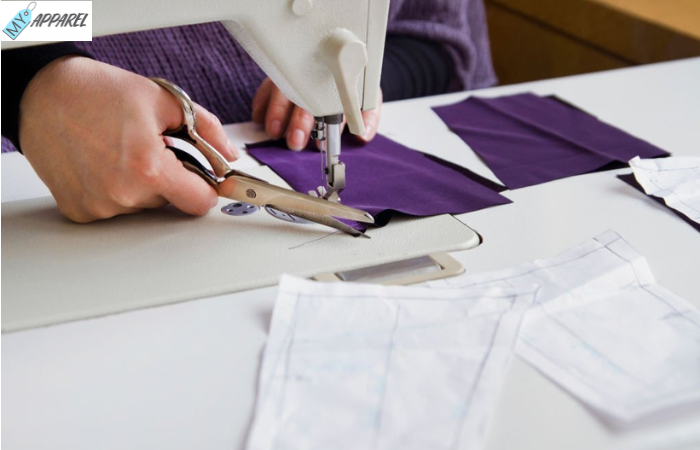
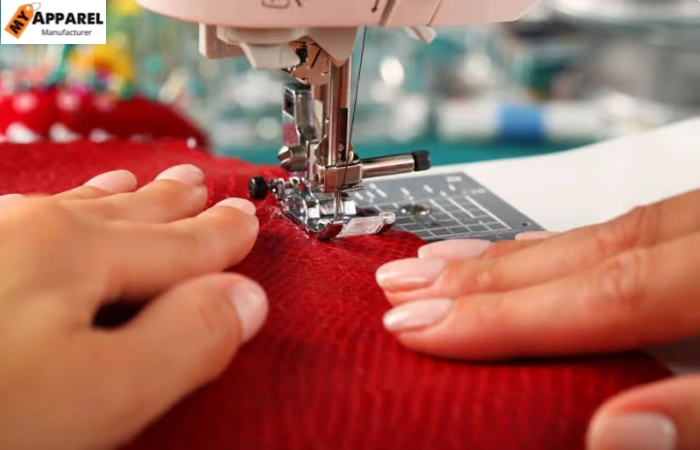
Once materials are approved, production moves to the fabric cutting and sewing process. This stage defines garment structure and fit.
Key steps include:
- Fabric inspection
- Pattern grading
- Automated or manual cutting
- Industrial stitching
This cut and sew manufacturing China model allows flexibility for custom apparel production China and made-to-order clothing China.
4. Garment Manufacturing Stages & Workflow
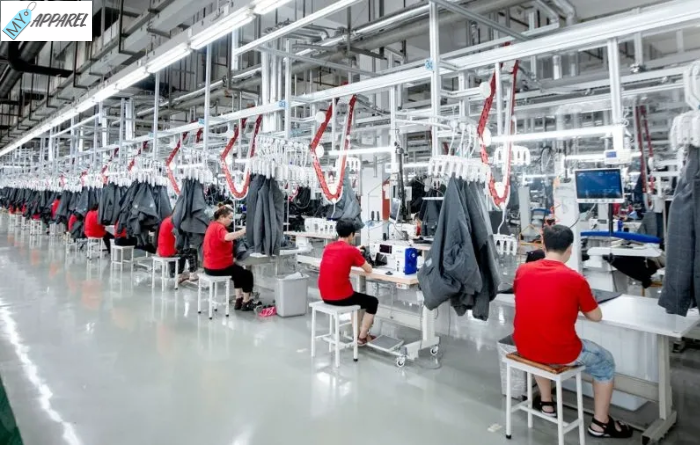
The complete garment production workflow typically follows these apparel production steps:
- Fabric cutting
- Sewing and assembly
- Washing and finishing
- Labeling and tagging
- Pressing and packaging
This structured clothing manufacturing workflow ensures efficiency, consistency, and scalability.
5. Garment Quality Control Process
Quality control is a vital part of garment factory operations. The garment quality control process includes:
- In-line inspection during sewing
- Measurement checks
- Fabric defect analysis
- Final pre-shipment inspection
Strong QC helps manufacturers meet international apparel manufacturing regulations China and reduce return rates.
Apparel Production Cycle & Manufacturing Timeline
The apparel production cycle varies depending on order size, fabric availability, and complexity. A standard clothing manufacturing timeline includes:
- Sampling: 7–14 days
- Fabric sourcing: 10–20 days
- Bulk production: 20–40 days
- Quality control & packing: 5–7 days
Understanding this cycle helps brands plan inventory and launches efficiently.
Garment Manufacturing Methods Used in China
China supports multiple garment manufacturing methods, including:
- OEM manufacturing
- ODM manufacturing
- Private label clothing production
- Bulk clothing manufacturing China
- Custom garment manufacturer China services
Each method suits different business models, from startups to established fashion brands.
Apparel Manufacturing Cost Breakdown
The clothing manufacturing cost in China depends on several factors:
- Fabric type and garment raw materials
- Order quantity and minimum order quantity clothing China
- Complexity of design
- Printing, embroidery, or finishing requirements
A transparent apparel manufacturing cost breakdown helps brands balance quality and pricing while scaling profitably.
Apparel Supply Chain & Export Operations
China’s apparel supply chain integrates production, packaging, and shipping. Clothing export from China follows strict documentation, labeling, and compliance standards to meet global regulations.
Efficient logistics and established infrastructure make China a reliable sourcing destination for global apparel brands.
How Clothing Factories Work in China
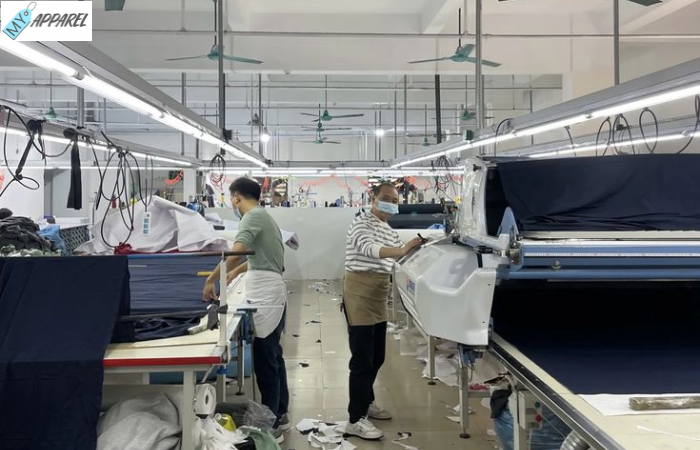
To understand how garments are manufactured in China, it’s essential to view factories as coordinated systems involving sourcing teams, production lines, QC inspectors, and logistics managers.
This guide to Garments Manufacturing in China shows why consistent workflows and strong communication are essential for success.
Why Brands Choose MY APPAREL MANUFACTURER
MY APPAREL MANUFACTURER supports apparel manufacturing for brands with:
- Clear production workflows
- Reliable fabric sourcing
- Custom and bulk manufacturing options
- Quality-focused factory operations
Our approach helps brands understand clothing manufacturing methods explained clearly and practically.
Conclusion
Garments manufacturing in China remains a cornerstone of the global fashion industry due to its advanced infrastructure, flexible production methods, and strong textile supply chain. By understanding materials, workflows, costs, and manufacturing stages, brands can make informed sourcing decisions and scale efficiently.
With the right manufacturing partner, apparel production becomes a strategic advantage rather than a challenge.