


Choosing a manufacturer is probably the biggest “make or break” moment for any clothing brand. It doesn’t matter if you’re just starting out with your first drop or trying to scale into international stores—the factory you choose basically holds your reputation in their hands. At the end of the day, they’re the ones in control. They decide if your stitching stays tight, if your margins actually leave you with a profit, and—crucially—if your stock actually lands on your doorstep when it’s supposed to.
Let’s be honest: trying to figure this out in 2026 feels a bit like walking through a minefield. Between the constant supply chain headaches and the pressure to be truly sustainable (not just “greenwashed”), finding a partner who is actually reliable and ethical is a lot harder than a Google search makes it look.
In this guide, we’re cutting through the corporate fluff. We’ll get into the weeds on how to actually vet a partner, how to find “low MOQ” manufacturers that won’t charge you a fortune, and how to weigh up options like China versus other global hubs. If you’re trying to grow a brand and need a strategy that actually works in the real world my apparel manufacturer provide you complete details.
Why Choosing the Right Apparel Manufacturer Matters

Look, it’s easy to get caught up in the fun stuff the sketches, the fabrics, and the overall vibe of the collection. But in the B2B world, your manufacturer is the one actually calling the shots.
When you put down a deposit with a factory, you’re basically putting your brand’s future in their hands. You are trusting them to treat your designs and your money with the same care you do. They are the ones who ultimately decide:
If the math actually works: Their raw costs and those “surprise” fees are what really determine if your retail price leaves you with any profit.
If your customers stay loyal: It only takes one shipment of crooked seams or bad fits to kill your brand’s credibility. They hold your quality control in their hands.
If you can actually hit your deadlines: There’s nothing more stressful than hyping a launch date only to have a manufacturer go silent right when the shipment is due.
If your “sustainable” claims are real: You can market eco-friendly values all day, but if the factory isn’t actually playing by the rules, it’s your brand that gets called out, not theirs.
At the end of the day, your brand is only as good as the product inside the box. If the factory floor isn’t performing, the rest is just talk.
Understanding the Apparel Manufacturing Landscape in 2026
Before you start hunting for a factory, you have to look at the bigger picture. It’s not just about picking a spot on a map it’s about knowing where your brand actually fits in the global market.
The Global Landscape
The traditional heavyweights are still in the lead for a reason they offer a massive ecosystem. In the world’s major manufacturing zones, you’re buying into much more than just a sewing floor; you’re plugging into a massive, built-in network. Everything you need from custom hardware and technical fabrics down to the specific poly-bags for your packaging is usually sitting right in the same neighborhood.
That said, we’re seeing a huge shift toward emerging regional hubs in Latin America, Eastern Europe, and Africa. These areas are becoming serious contenders, especially for brands looking to “near-shore” production to get products to market faster and reduce their carbon footprint.
The trade-off is that these newer markets can be a bit more “hit or miss.”But it’s also a bit of a gamble. You might find a world-class facility on one block, while the place right next door doesn’t even have basic safety or quality certifications. Once you start looking outside those tried-and-tested production hubs, everything from how they talk to you to how they handle deadlines and minimum orders becomes a complete toss-up.
Key Audience Needs: What Clothing Brand Owners Are Looking ForWhen you’re running a brand, you aren’t just looking for someone to sew fabric together you’re looking for a partner who won’t tank your business. Most owners I talk to are looking for the same few things:
Real Vetting: You need to know if a factory can actually hit your quality marks before you send them a dime.
Low MOQs: Brands need small-batch production that stays affordable without the typical high-volume price hikes.
Total Transparency: No one likes “surprise” invoices. You need a clear breakdown of everything sampling, shipping, and all those hidden compliance fees.
Protection: You need to know your designs won’t end up on a random wholesaler’s site next month. Protect your designs solid contracts and IP safety are non-negotiable.
Sustainability: In 2026, sustainability isn’t optional anymore. If a factory can’t show how workers are paid or how production stays clean, it’s a risk simple as that. One audit failure can damage a brand far more than a delayed shipment.
Customization: Whether you’re doing full OEM private labeling, you need a team that understands how to build a product from the ground up.
This guide skips the fluff and gets straight into the actual strategies you need to tick these boxes and keep your brand growing.
How to Find a Clothing Manufacturer: The Complete B2B Roadmap

Before you even talk to a factory, you need to know exactly what you’re bringing to the table. Think of this as the foundation for your entire brand:
What are you making? (Hoodies, gym gear, baby clothes, etc.)
The specifics: What kind of fabric? What’s the weight (GSM)? Are you using organic materials?
The look: Don’t forget the custom labels, hangtags, and bags.
The numbers: Be honest about your order size are you doing a small test run or a huge seasonal drop?
The location: Where are you selling? (Rules for the US are different than for the EU).
The biggest tip I can give you here: Get a Tech Pack ready. A tech pack is the blueprint for your clothes—it covers every measurement, stitch, and trim.Without a clear plan, you’re basically just hoping for the best—and that’s a fast way to lose money. A professional tech pack proves you know your stuff and makes sure the factory doesn’t have to guess what you’re looking for.
2. Source Potential Manufacturers
Where to Start Your Search
Big Online Marketplaces: Sites like Alibaba or Global Sources are usually the first stop. They’re massive, so use the filters to your advantage. You can search specifically for “low MOQ” (minimum order quantity) and look for “Verified” badges to make sure the factory actually exists and has been checked out by a third party.
Verified Directories: If you want to skip the chaos of open marketplaces, ThomasNet and Kompass are great. They list verified manufacturers across the US and Europe, which is perfect if you’re trying to keep production closer to home.
US-Focused Options: For brands that want “Made in the USA,” MakersRow is the go-to. It’s built specifically for designers who want to work with local facilities where they can have more control and faster shipping.
Trade Shows & Industry Events
Going to shows like MAGIC or the Canton Fair lets you actually get your hands on the clothes. You can pull at the seams and feel the fabric for yourself, which beats a sales pitch any day. Plus, meeting the team in person makes it a lot easier to tell if they’re someone you can actually trust with your business.
Sourcing Agents and Industry Forums
If you don’t have time to travel, a sourcing agent is your boots on the ground. They have access to “hidden” factories that don’t advertise online and can handle the heavy lifting of price negotiations and quality checks. You can also dig into LinkedIn groups or industry forums to get honest reviews from other brand owners who have already done the vetting for you
3. Evaluate Manufacturer Capabilities
When you’re checking out a factory, you’ve got to be picky. Don’t just trust a fancy website; you need to know if they actually have the right tools for your specific clothes.
Can they actually do the work?
A shop that makes basic cotton tees might be great, but they’ll probably mess up technical gym gear or heavy winter jackets if they don’t have the right machines. Ask them point-blank: “Do you have experience with [your fabric type]?” It’s way better to ask “dumb” questions now than to pay for a mountain of ruined samples later.
Be real about your budget and MOQs
Minimum orders (MOQs) are a big deal. The massive factories usually won’t even talk to you for less than 500 pieces. If you’re just starting, stick to smaller workshops that are happy with 50 or 100 units. You’ll pay a little more per shirt, but you won’t get stuck with a garage full of clothes you can’t sell.
4. Request and Evaluate SamplesNever skip the sampling phase. You need to see the work in your hands before you drop a bunch of money on a big order. Use samples to check for a few specific things:
The Fabric: Does it feel cheap, or is the weight (GSM) exactly what you asked for?
The Details: Check the seams and stitching. Are they straight? Do they look like they’ll fall apart after one wash?
The Fit: Put it on a real person. Does it actually fit the way your size chart says it should?
The Colors: Make sure the colors are spot on and any prints or labels look clean.
Think of the final sample as your “contract.” If the big shipment doesn’t match that sample, you have every right to demand a fix. It’s the best way to catch expensive mistakes before they happen.
5. Verify Quality Assurance and Certifications
A solid factory should have their own system for catching mistakes before they ship. Look for these signs that they actually care about quality:
Routine Checks: They should be inspecting items while they’re still on the sewing line, not just at the very end.
The “AQL” Standard: Ask if they use AQL (Acceptable Quality Level). It’s basically a math-based way to check a random batch of clothes to make sure the whole order is up to par.
Safety and Ethics: Make sure they follow the rules for where you’re selling (like REACH for Europe or Prop 65 for California). Certifications like WRAP or Sedex are also a good sign they treat their workers right.
6. Negotiate Terms and Contracts
When you’re ready to talk money, don’t just agree to a total price. You need to know exactly what you’re paying for so there are no surprises. Get these points sorted:
The Price Split: Ask them to break down the cost for the fabric, the labor, and the extras like zippers or labels. This helps you see if they’re overcharging you for materials.
Bulk Deals: Ask for a “tier” list. If your brand grows and you jump from 100 to 500 pieces, you need to know how much the price per shirt drops.
The Pay Schedule: Most factories take a 30% deposit to start. Never pay the final 70% until the clothes are finished and you’ve seen proof they look good.
The Timeline: Get a solid “lead time” in writing. You need to know exactly how many weeks it’ll take from the day you pay until the boxes arrive.
Protecting Your Ideas: Have them sign an NDA. This keeps them from sharing your designs with other brands or selling your extras on the side.
Global Manufacturing Hubs: Pros & Cons
When you’re looking at China, it’s basically like the “everything store” for fashion. They’ve spent decades building a system where everything is close together, which makes life a lot easier for brands.
Why it’s the top choice
The “Neighborhood” Effect: In China’s big hubs, if a factory needs a specific button or a custom zipper, they don’t order it from overseas—they just call a shop a few blocks away. This keeps things moving fast and keeps your costs down.
They’ve seen it all: Whether you’re making basic tees or complex gym gear, these factories usually have the exact machines and the “know-how” to handle it.
Bringing ideas to life: These factories are experts at turning a simple sketch into a finished product. They know exactly how to make your designs real.
Easy shipping: Their ports and logistics are top-notch. Once your gear is ready, getting it out and on its way is usually a breeze. Once your goods are done, the process of getting them onto a boat or plane is usually very smooth.
The trade-offs
The “Small Brand” hurdle: Since these factories are built for big volume, many won’t take orders under 500 pieces. If you’re a startup, you’ll have to dig a bit deeper to find the “boutique” shops that work with smaller batches.
The Boat Trip: Shipping by sea takes a while usually 4 to 5 weeks. You’ll need to plan your season way ahead of time so your stock isn’t stuck in the middle of the ocean on launch day.
Border Taxes: Don’t forget about tariffs. Depending on your country, bringing stuff in from China can get expensive. Check the rates early so you aren’t blindsided by a huge tax bill at the finish line..
Since you’re already on the ground in China, you can offer the kind of “behind-the-scenes” access that builds massive trust with US buyers. Here’s the straightforward way to handle your materials:
The Fabrics: Don’t just take their word for it. Find factories that already have organic or recycled fabrics in stock.
The Paperwork: Make sure they can hand over certificates like GOTS or Oeko-Tex immediately. Being able to show this to your buyers proves your brand is the real deal. Having these documents ready to show your customers is the best way to prove your brand is the real deal and worth the premium price.
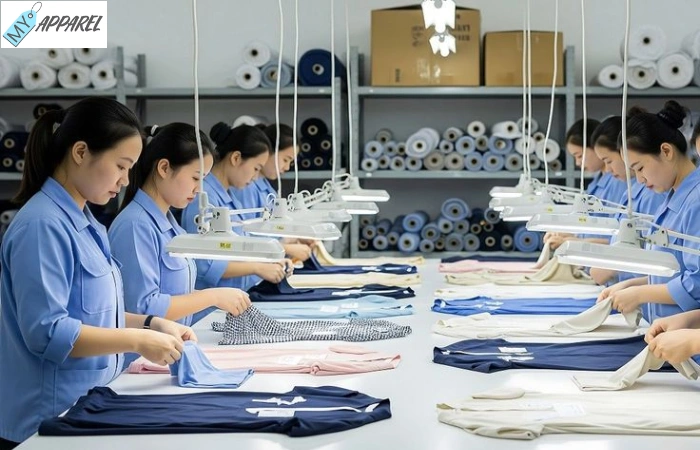
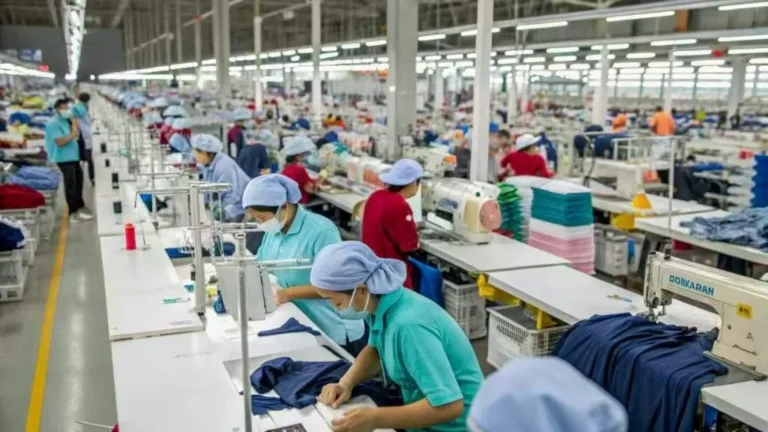
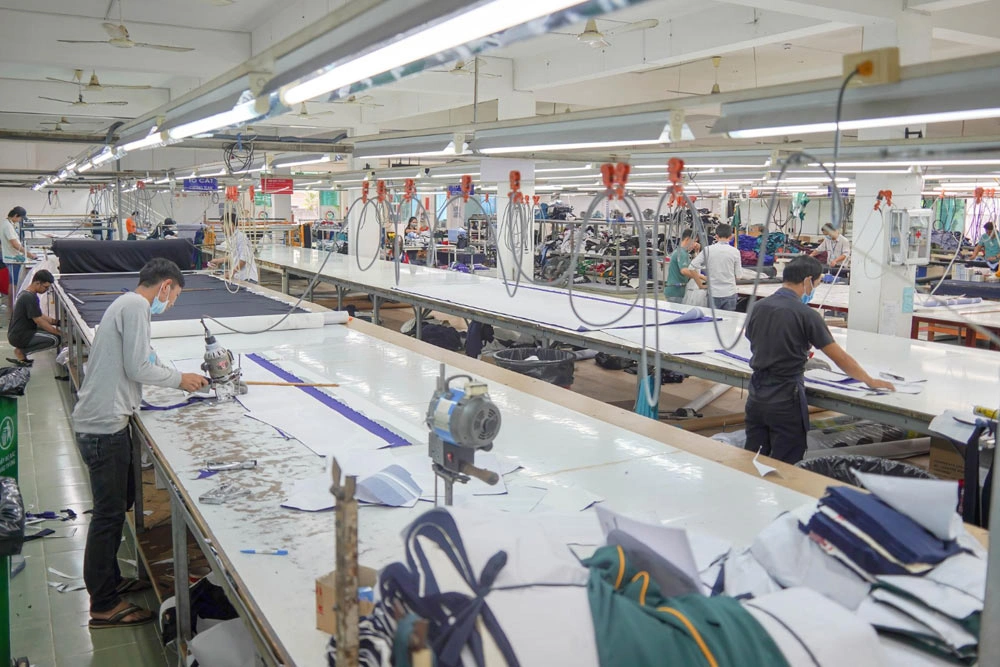
The Ethical Proof: Take photos and videos of the actual workspace. Showing a clean, safe, and happy factory floor is the best way to justify a premium price to a US audience.
Mistakes That Will Cost You
Don’t skip the sample: It’s tempting to move fast, but you have to touch the fabric and check the fit yourself. If it’s wrong at the sample stage, it’ll be a disaster in bulk.
Check US Labels: US Customs is very picky. You need permanent labels in English that show the material, care instructions, and country of origin. Getting this wrong can get your whole shipment stuck at the border.
Get the MOQ in writing: Don’t just guess what the minimum order is. Use your location to your advantage—go meet the factory owners. They’re often more willing to do a smaller test run for someone they’ve met in person.
The Big Picture
In the end, your manufacturer isn’t just a vendor; they’re the engine behind your brand. Since you’re targeting the US from China, your winning move is being the “boots on the ground” that ensures every piece is high-quality and ethically made.