

Activewear has moved beyond gyms and sports fields — it’s now everyday fashion, a lifestyle, and a cultural statement. Behind this shift is a booming industry of Activewear Manufacturer in China, gym wear manufacturers, and active clothing manufacturers globally. Every season, consumer demand, design innovations, and social trends propel this sector forward.
At My Apparel Manufacturer, we live in the heart of this trend. As a private label activewear manufacturer, we see firsthand why brands are flocking to this category. In this article, we’ll examine the roots of activewear’s popularity, how fashion and function merge, and what you need to know if you’re building an activewear line.
1. What Are the Main Reasons for the Surge in Activewear Popularity?
a. Lifestyle Change & Health Awareness
Over the past decade, people have become more health-conscious and fitness-oriented. With home workouts, jogging, yoga, and gym memberships growing, consumers want clothing that supports movement — elevating sportswear manufacturers in China to new prominence.
b. Comfort & Versatility
Activewear Manufacturer delivers stretch, breathability, and moisture-wicking performance. These features make it more comfortable than traditional fabrics for casual wear. No wonder activewear manufacturers for startups are thriving: their products are dual-purpose — functional and fashionable.
c. Athleisure & Hybrid Fashion
The “athleisure” trend blurs the line between gym clothes and everyday wear. Hoodies, joggers, leggings, and performance tanks are now staples in many wardrobes. As a result, activewear manufacturers are producing pieces that look chic but perform well.
d. Supply Chain Maturity & Scalability
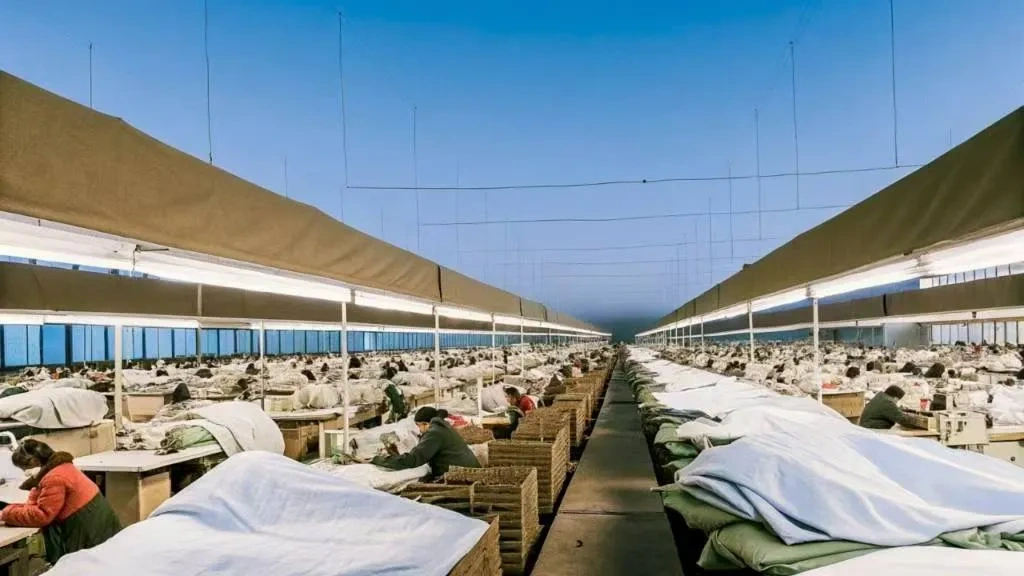
Thanks to efficient factories — especially in China — costs dropped, quality improved, and new brands could scale. Activewear suppliers China have perfected mass production of stretch fabrics, seamless knitting, and specialized finishes, helping fuel the boom.
e. Technology & Innovation
Smart fabrics — compression, anti-odor, UV protection — offer real benefits. Brands work with athletic wear manufacturers in China and others to integrate these technologies. As fabrics evolve, more consumers see activewear as premium, justifying higher price points.
2. How Has Fashion Influenced the Rise of Activewear?
a. Streetwear & High-Fashion Crossovers
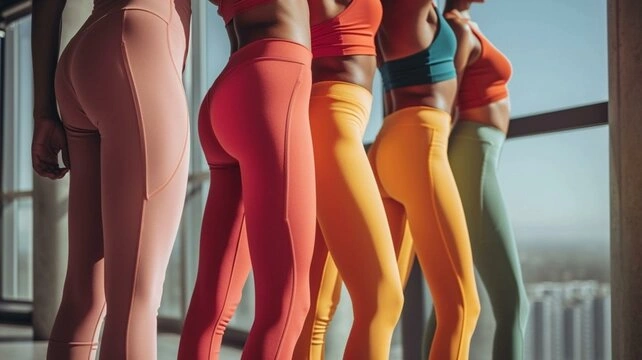
Designers now mix activewear elements (e.g. mesh, zippers, high-tech fabrics) into luxury and streetwear lines. This crossover pushes active wear manufacturers into fashion territory — not just athletic.
b. Designer Collaborations
Brand partnerships (e.g. high-end labels collaborating with sportswear lines) bring prestige to gym wear. This gives active clothing manufacturers more visibility and demands cleaner finishes, premium fabrics, and elevated designs.
c. Customization & Branding
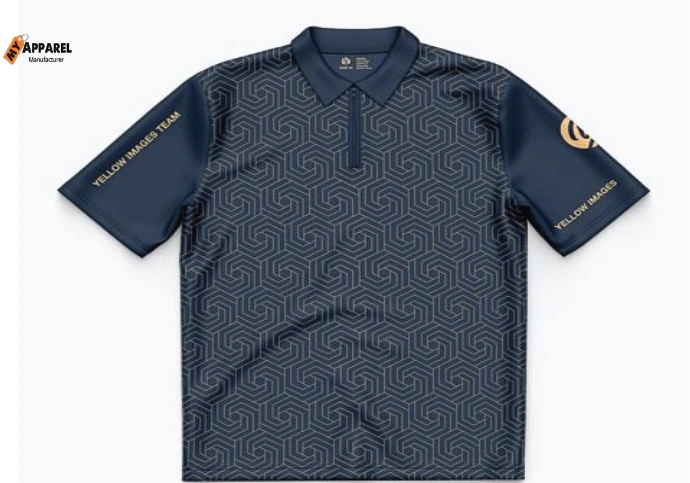
Consumers now expect more than fit and function — they want brand identity too. Private label and custom orders push activewear manufacturers to support logo printing, unique silhouettes, and branding. My Apparel Manufacturer provides all this: from simple tanks to fully custom collections.
d. Seasonal Fashion Cycles
Just like fashion, activewear now follows seasonal color palettes, editors’ trends, and marketing cycles. Factories must adapt quickly. This agility is a key advantage of mature hubs like China.
3. What Functional Benefits Make Activewear a Consumer Favorite?
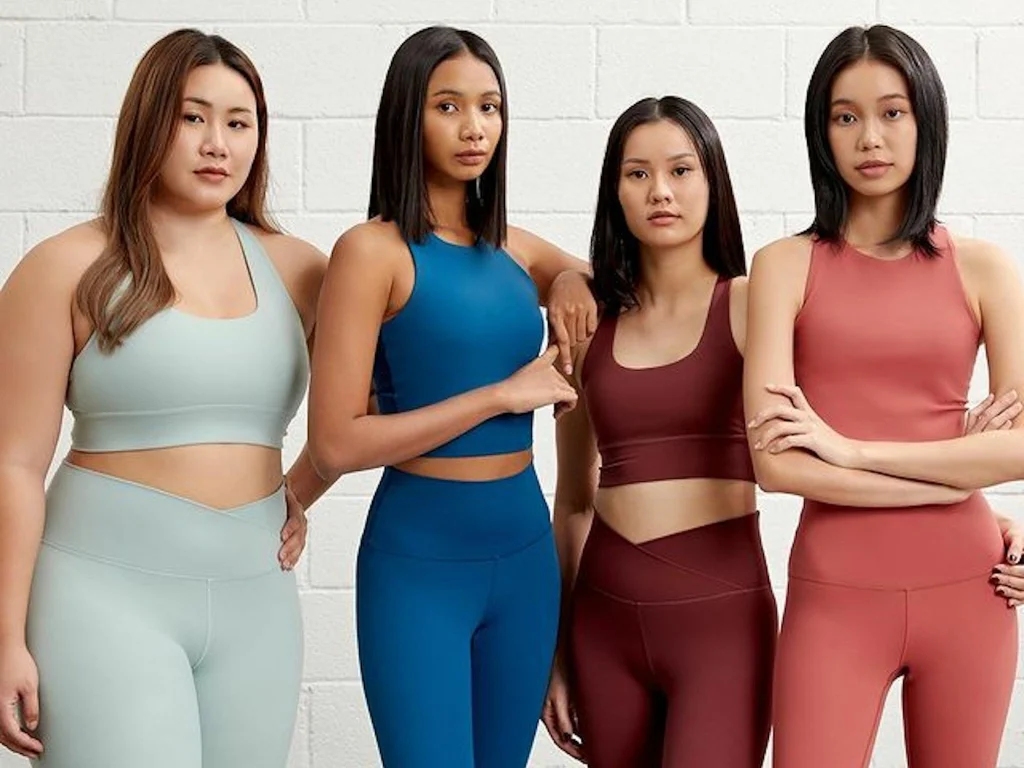
a. Moisture Management
Fabrics engineered for sweat-wicking keep users dry and comfortable. This is a hallmark of advanced activewear suppliers China and differentiates performance wear from regular clothing.
b. Stretch & Recovery
High-elasticity knits offer movement without sagging. This is especially important in garments like leggings and compression wear, which are staples from gym wear manufacturers in China.
c. Durability & Shape Retention
Good Activewear Manufacturer resists wear, pilling, and loss of shape. Brands pride themselves on long-lasting performance — which means reliable partner factories matter.
d. Temperature Regulation & Versatility
Innovations like mesh panels or ventilated fabrics let activewear adapt to different conditions. Consumers appreciate clothing that works from gym to errands.
e. Enhanced Confidence
Well-fitting activewear is flattering, supportive, and comfortable — boosting wearer confidence. The emotional appeal helps drive repeat purchases.
4. How Do Social Media and Influencer Culture Fuel the Activewear Trend?
a. Visual Platforms Drive Exposure
Instagram, TikTok, and YouTube showcase workouts, athleisure styles, and influencer collections. Brands with strong visual appeal get viral, pushing demand for new lines from activewear manufacturers in China.
b. Influencers as Brand Ambassadors
When fitness creators wear a brand, their followers want the same look. This creates demand cycles. Factories must ramp production quickly to match viral hits.
c. User-Generated Content & Real-World Proof
Every post showing someone wearing branded Activewear Manufacturer is social proof. Consumers see real people, not staged models — driving trust and purchases.
d. Seasonal Drops & Limited Editions
Brands now launch limited collections (e.g. “holiday collection,” “collab drops”). Factories must support fast lead times and small batch runs — which is why activewear manufacturers for startups need to be flexible.
5. What Are the Latest Trends in the Activewear Market?
a. Sustainable & Eco-Friendly Fabrics
Recycled polyester, bamboo blends, and organic cotton tanks are rising. Factories that can output sustainable lines are in demand.
b. Seamless & Minimal Stitching Design
Fewer seams reduce chafing and create sleeker looks. Active clothing manufacturers are investing in seamless knit machines.
c. Bold Prints & All-over Patterns
From digital camo to color blocks, demand for expressive prints increases pressure on factories to manage complex dyeing.
d. Modular Pieces & Detachable Elements
Designs with removable layers or adjustable straps add versatility. Factories need modular production capability.
e. Compression & Technical Gear
Compression leggings, weighted apparel, embedded tech (like sensors) are growing niches. Manufacturers partnering with R&D teams can gain advantage.
f. Gender-neutral & Inclusive Sizing
Brands are expanding sizing and offering unisex lines. Factories must accommodate varied fits and grading.
6. Conclusion
The rise of activewear manufacturers is about far more than fitness — it’s a blend of fashion, function, culture, and smart manufacturing. As visual culture and lifestyle trends evolve, so does demand for performance clothing that looks great and works even better.
At My Apparel Manufacturer, we stand at the intersection of design, production, and innovation. We partner with fashion brands and fitness labels globally to produce activewear with quality, style, sustainability, and scalability. If you’re looking to launch or scale your activewear line, connect with us — we’ll help you turn ideas into products people love.
Branding FAQs (My Apparel Manufacturer)
1. Do you serve startup brands or only big labels?
We support everyone — from startups to established brands. We work with activewear manufacturers for startups offering flexible MOQ and tailored guidance.
2. Can you handle custom branding and private labels?
Yes — we specialize in private label activewear manufacturing in China, including logo printing, tags, and unique design features.
3. What fabrics do you offer?
We source performance fabrics like recycled polyester, bamboo blends, stretchy knits, and sustainable alternatives, depending on your brand vision.
4. Can we produce small and large orders?
Absolutely. We handle clothing manufacturers in China with low MOQ and scale up to bulk production efficiently.
5. Do you ship globally?
Yes, we ship worldwide. Many global apparel brands rely on My Apparel Manufacturer for activewear production that delivers quality and consistency across markets.