
introduction
Working with a clothing manufacturer is a critical step for any fashion brand. Whether you’re launching a startup or scaling an existing brand, forming the right partnership is essential to bringing your designs to life with quality, consistency, and efficiency.
At My Apparel Manufacturer, we guide dozens of brands through this process every year — from first inquiries to long-term collaborations. In this guide, we’ll explore each step in detail so you can confidently work with the best clothing manufacturers in China and reduce risks while building a strong, successful apparel brand.
1. What Are the First Steps to Finding the Right Apparel Manufacturer?
a. Define Your Requirements Clearly
Before you reach out to any factory, you must know exactly what you want. This includes the type of apparel (t-shirts, dresses, activewear, outerwear, etc.), target fabric (cotton, bamboo fabric, blends), quantity, price range, production timeline, quality expectations, and extra features (printing, embroidery, trims, labels).
b. Search Strategically
Use sourcing platforms (Alibaba, Global Sources, Made-in-China) and directories of Clothing Manufacturer in China informational base to compile a list of potential factories. You can filter by clothing manufacturers in China low MOQ or with no MOQ to find more flexible manufacturers.
Also check clothing manufacturers in China Reddit threads, where real brand owners share experiences and factory recommendations.
c. Vet & Shortlist
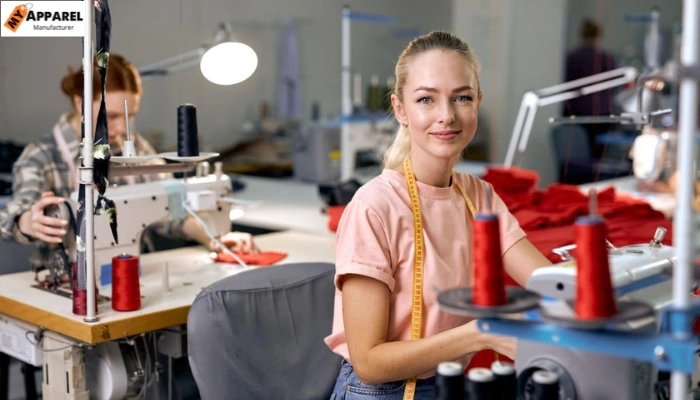
Once you have a list, check their credentials: factory type (OEM, ODM, CMT), certifications, capability to produce your category, sample photos from other brands, and if they are located in garment hubs like Guangzhou, Shenzhen. Many factories with no MOQ or small-quantity capacity are located in those areas.
At My Apparel Manufacturer, transparency is key: we show factory photos, past samples, internal process walkthroughs, and references for trust.
2. How Do You Prepare Your Designs and Technical Specifications?
a. Create a Tech Pack
A tech pack is your blueprint. It should include technical drawings (front, back, side), measurements, grading rules, fabric specifications, trims, sewing instructions, labels, packaging instructions, and tolerance limits. The more detailed your tech pack, the fewer misunderstandings.
b. Mockups, Patterns & Prototypes
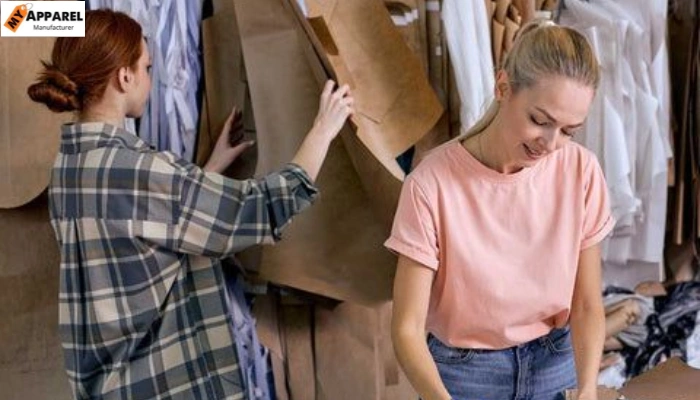
You may begin with a hand sketch or digital mockup. From there, pattern makers convert this into actual garment pattern pieces. These are then turned into prototypes or samples for review.
c. Fabric & Trim Sourcing
Decide whether you’ll provide your fabric or ask the factory to source it. Many factories in China either own or partner with local fabric manufacturers. When working with custom clothing manufacturers in China, you can also specify sustainable or specialty fabrics (e.g. bamboo, organic cotton), so long as the factory has access to those mills.
d. Price Estimation
Use your tech packs and sample order to get accurate quotes. Understand cost breakdowns: fabric cost, trim cost, labor cost, overhead, profit margin, shipping, and import duties.
At My Apparel Manufacturer, we assist clients in turning their designs into precise tech packs, sourcing fabrics, and getting accurate cost proposals before you commit to full production.
3. What Is the Process for Sampling and Prototyping with Apparel Manufacturers?
Sampling is the testing ground. It’s where most of the design problems are caught and fixed.
a. Initial Sample / First Fit
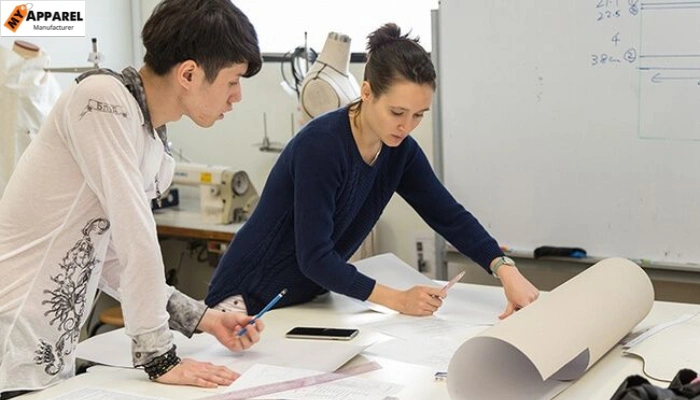
The factory produces the first sample based on your tech pack. You review it for fit, proportions, and alignment with your vision. You may need 1–3 rounds of back-and-forth to refine.
b. Pre-production Sample
Once fit is confirmed, a pre-production sample is made using the exact materials and methods intended for mass production. This becomes the final benchmark.
c. Approvals & Sign-off
You approve the pre-production sample. This becomes your “gold standard” for the factory to replicate across the bulk order.
d. Cost of Sampling
Remember that sampling entails investment: fabric, labour, shipping. Many factories (especially ODMs and premium clothing manufacturers in China) include sampling fees. Some allow these fees to be credited back once you place a full order.
At My Apparel Manufacturer, we manage all sampling stages, provide high-resolution photos, videos, and small sample shipments so you can inspect before production.
4. How to Manage Orders, Timelines, and Quality Control?
a. Production Scheduling & Milestones
Once sample is approved, the Clothing Manufacturer schedules your order in their production calendar. Agree on milestones: cutting, sewing, finishing, inspection, packing, and shipping. Track each milestone with photos and progress updates.
b. Interim Inspections
Perform inspections during the production run (pre-shipment checks). Look at stitching quality, color consistency, seam strength, dimensions, and trim quality.
c. Third-Party QC
Hire a third-party inspection firm for unbiased judgment. They can reject defective items and ensure you receive only what meets standards.
d. Buffer Time & Lead Time
Always include buffer time in your timelines. Factories may face delays due to material shortages or machine maintenance. Also negotiate clear lead times in your agreement.
e. Communication & Feedback
Maintain ongoing communication with your manufacturer — weekly or biweekly updates. Resolve issues quickly, and keep records of every change request.
My Apparel Manufacturer provides structured project management, live updates, and rigorous QC checks, helping you avoid quality surprises and delays.
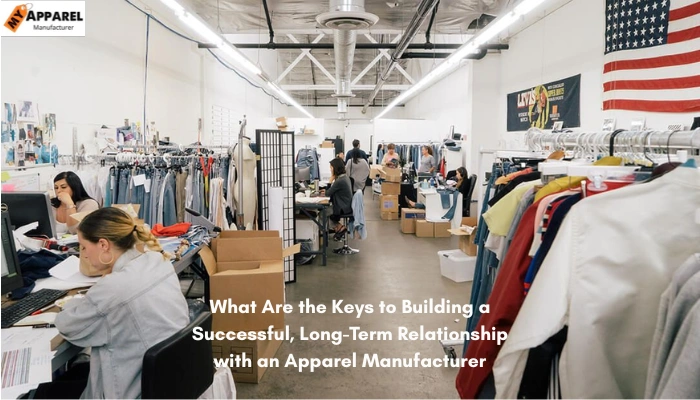
5. What Are the Keys to Building a Successful, Long-Term Relationship with an Apparel Manufacturer?
a. Transparency & Fairness
Be honest about your design vision, budgets, and expectations. Fair pricing and mutual respect help build trust.
b. Build Loyalty
As you place repeated orders, your factory may prioritize you. Offer consistent orders, flexible payment terms (when possible), and loyalty.
c. Share Feedback
Give constructive feedback. Bring small issues to light early. Encourage improvement rather than adversarial relationships.
d. Business Partnership mentality
See your manufacturer as a partner, not just a vendor. Involve them in innovation, material developments, and improvement suggestions.
e. Pay on Time
Prompt payments are fundamental. Factories invest in materials, labor, and planning. Delaying payments erodes trust.
f. Continuous Collaboration
Work with them on seasonal planning, material forecasts, and longer-term projections. Cooperative planning can sync your supply chain smoothly.
At My Apparel Manufacturer, we aim to become long-term partners with clients. Many of our clients that started small now rely exclusively on us for their seasonal drops and product lines.
Conclusion
Working with a clothing manufacturer is a journey — from first research to long-term collaboration. If you follow structured steps — defining your needs, preparing precise tech packs, sampling carefully, managing production, and nurturing relationships — you’ll be well equipped for success.
My Apparel Manufacturer is your trusted partner in this process. Whether you’re exploring Clothing Manufacturer in China low MOQ, premium Clothing Manufacturer in China, or custom clothing manufacturers, we support startups and established brands alike. Let us help bring your apparel vision to life with quality, integrity, and scalability.
5 Branding FAQs (My Apparel Manufacturer)
1. What minimum order quantities (MOQ) does My Apparel Manufacturer accept?
We offer flexible MOQs, especially for startups and emerging brands, balancing feasibility with manufacturing efficiency.
2. Can My Apparel Clothing Manufacturer work with my own fabrics and trims?
Yes — we support client-supplied fabrics and trims (CMT model) or full sourcing (OEM/ODM) depending on your preference.
3. How do you ensure quality control on large orders?
We conduct multi-stage inspections, interim checks, and final quality audits with photo/video proof to maintain consistent standards.
4. Do you offer private labeling and branding services?
Definitely. We provide woven labels, hang-tags, custom packaging, branding support, and final finishing tailored to your brand.
5. Which cities or regions in China do you operate in?
Our Clothing Manufacturer hubs include major garment clusters such as Guangzhou, Shenzhen, Dongguan, and surrounding regions — enabling quick sourcing and logistics inside China.