

Clothing Manufacturing
Clothing manufacturing is one of the world’s largest and most dynamic industries—but is it truly profitable in 2025? Whether you’re a clothing brand, startup, or aspiring manufacturer, understanding profit margins, production costs, and industry expectations is essential.
In this detailed guide, My Apparel Manufacturer — one of the best garment manufacturers in China — explains the real profitability of cut and sew clothing manufacturing, including the key factors that influence profit, common challenges, and proven strategies to increase long-term success.
1. What Factors Influence Profitability in Cut and Sew Apparel Manufacturing?
Profitability in the clothing industry depends on multiple variables. Every manufacturing project—shirts, hoodies, joggers, denim, or activewear—has a different cost structure and earning potential.
Here are the key factors affecting clothing manufacturing profit:
✔ 1. Production Cost Structure
This includes:
- Fabric cost
- Trims & accessories
- Labor cost
- Packaging
- Printing or embroidery
- Overhead (rent, electricity, machines)
High-quality materials increase the clothing production cost, but also allow for higher selling prices and better margins.
✔ 2. Order Quantity
Small clothing manufacturers profit differently from large factories.
- Bulk orders = lower production cost per piece
- Small orders = higher labor cost per piece
✔ 3. Product Type & Complexity
Complex clothing such as jackets, cut-and-sew hoodies, and embellished fashion items have:
- Higher stitching time
- Higher pattern-making cost
- Higher QC requirements
→ Leading to higher profit margins.
Basic T-shirts generally have lower margins due to simplicity and competition.
✔ 4. Location of Manufacturing
Manufacturing in China provides:
- Lower labor cost
- Faster production speed
- High-tech machines
- Higher capacity
This significantly influences OEM clothing manufacturer cost and profit potential.
✔ 5. Brand Positioning & Selling Price
Private label clothing profit depends heavily on brand identity.
Premium brands = Premium margins
Budget brands = High volume, low margin
✔ 6. Market Trends & Demand
Clothing manufacturing profitability grows when offering high-demand categories such as:
- Activewear
- Streetwear
- Sustainable fashion
- Cut and sew premium basics
2. What Are the Typical Profit Margins for Cut and Sew Clothing Manufacturers?
Profit margins vary across the industry. Below are average garment factory profit margin ranges:
✔ Basic T-Shirts
- Manufacturer margin: 10%–20%
- Clothing brand margin: 50%–70%
✔ Hoodies & Sweatshirts
- Manufacturer margin: 15%–30%
- Clothing brand margin: 60%–80%
✔ Activewear (Leggings, Sports Bras, Gym Shirts)
- Manufacturer margin: 20%–35%
- Clothing brand margin: 70%–90%
✔ Fashion Jackets, Cut-and-Sew, Custom Designs
- Manufacturer margin: 25%–40%
- Clothing brand margin: 100%+
✔ Small Clothing Manufacturer Profit
Smaller factories may earn slightly less but benefit from:
- Lower overhead
- Flexible pricing
- Niche specialization
✔ Clothing Wholesale Profit Margin
Wholesale businesses often earn margins of 20%–40% depending on product and volume.
In general, clothing manufacturing is profitable when operations are optimized, and product demand is strong.
3. How Can Cut and Sew Apparel Manufacturers Increase Profitability?
To grow profit and reduce production costs, manufacturers should focus on the following strategies:
✔ Streamline Production Workflow
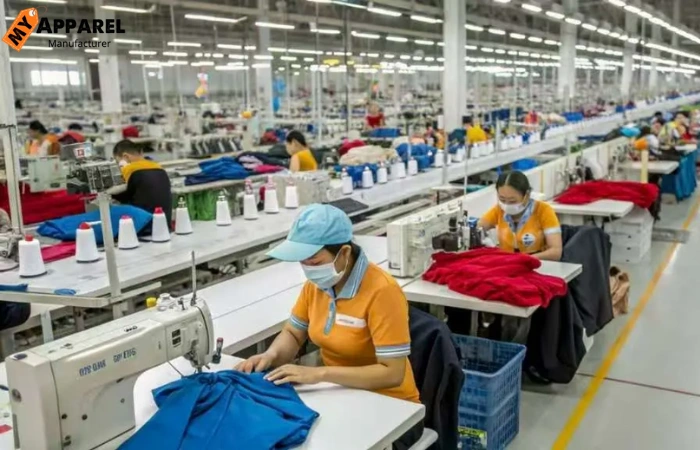
Optimizing sewing lines, minimizing waste, and improving pattern accuracy reduces labor cost.
✔ Use Smart Material Sourcing
Bulk fabric sourcing reduces cost per unit.
Better yarn quality = Fewer defects = Higher profit.
✔ Offer OEM & ODM Services
Providing design support increases overall OEM clothing manufacturer cost but also increases client value.
✔ Expand into Private Label Services
Private label clothing profit is higher because brands often pay premium pricing for:
- Custom labels
- Hangtags
- Packaging
- Branding services
✔ Increase MOQs Strategically
Higher MOQ = Better machine efficiency and fewer production interruptions.
✔ Invest in Skilled Labor & Training
Highly skilled tailors improve speed, reduce errors, and enhance quality, improving profit margins.
4. What Are the Common Challenges to Profitability in Clothing Manufacturing?
Even though the industry is profitable, challenges exist:
✔ High Labor Cost in Some Countries
Regions with expensive labor reduce profit margins.
✔ Fluctuating Fabric Prices
Cotton and polyester prices change due to global markets, affecting manufacturing cost.
✔ Managing Small Batch Orders
Small orders increase production cost because:
- Cutting time is the same
- Stitching time is the same
- Setup time is identical
✔ Rising Competition
More factories means more competitive pricing, reducing clothing manufacturer profit.
✔ Complex Designs
Highly customized clothing takes more time, meaning fewer pieces produced per day.
✔ Quality Control Requirements
Detailed QC increases production time and reduces daily output, impacting profit.
5. How Can New Brands and Manufacturers Succeed in the Cut and Sew Apparel Industry?
Success in the clothing industry requires strong planning:
✔ Start With High-Demand Categories
Startups should focus on:
- Hoodies
- T-shirts
- Activewear
- Joggers
- Basics
These categories have strong demand and consistent reorders.
✔ Understand Clothing Manufacturing Process
Brands that understand stitching, patterns, and materials make smarter production decisions.
✔ Create a Strong Brand Identity
Clothing brand profit increases when the brand stands out.
✔ Use Accurate Measurement & Fit Guides
Improving fit reduces returns and increases customer loyalty.
✔ Build Long-Term Supplier Relationships
Long-term collaboration with a manufacturer like MY APPAREL MANUFACTURER leads to:
- Better pricing
- Faster production
- Priority scheduling
6. How Can Strategic Partnerships and Client Relationships Improve Long-Term Profitability?
This is the secret to long-term success in the apparel industry.
Manufacturers who partner with brands for years gain:
✔ Consistent Orders
Stable production = stable profit.
✔ Predictable Production Planning
Better scheduling increases capacity and reduces idle time.
✔ Shared Growth Opportunities
Brands grow → Manufacturer grows.
✔ Lower Cost Through Volume
Bigger orders reduce material cost, making both parties more profitable.
✔ Strong Communication = Fewer Mistakes
Fewer errors means lower production cost and higher customer satisfaction.
7. Profitability Metrics to Track Monthly
To evaluate clothing manufacturer pricing structure and profit growth, track:
- Cost to manufacture a T-shirt
- Cost to manufacture hoodies
- Material cost per unit
- Labor hours per garment
- Fabric wastage percentage
- Order completion time
- Monthly revenue vs monthly cost
- Return rate & defect rate
- Average profit margin per category
These metrics help identify problems early and maximize ROI.
Conclusion
Clothing manufacturing remains one of the most profitable industries in 2025, especially for brands and factories that understand cost control, niche positioning, and long-term partnerships.
With expert guidance from MY APPAREL MANUFACTURER, businesses can reduce production cost, maximize efficiency, and increase profit margins—whether you’re producing T-shirts, hoodies, joggers, activewear, or private label clothing.
If you’re ready to grow your apparel business, MY APPAREL MANUFACTURER is here to support your success.
5 FAQs (SEO Optimized)
1. Is clothing manufacturing profitable in 2025?
Yes, it is highly profitable when production is optimized and the right categories are chosen.
2. What is the average garment factory profit margin?
Most factories earn 10%–35%, depending on product complexity.
3. How can clothing brands increase profit?
By improving design, fit, selling price, branding, and product quality.
4. What is the biggest cost in clothing manufacturing?
Fabric cost, labor cost, and printing/embroidery cost.