

1. Introduction
For every professional in the apparel industry, the biggest challenge is often excessive inventory costs. Thousands—or even tens of thousands—of seasonal T-shirts or “factory seconds” sit idle in warehouses, continuously generating storage expenses while their market value declines day by day.
But what if these “unsold” garments could become the raw materials for your next best-selling product?
Let’s calculate the numbers: acquiring high-quality factory seconds at 30–50% below wholesale price, applying a low-cost industrial modification (transforming them into tank tops), and retailing them as “Designer Upcycled Streetwear” with a 200% ROI. This is not DIY—it is a strategic supply-chain pivot toward Zero-Waste Manufacturing.
2. Deep Dive: What Is a “Factory Second” and Why Is It an Asset?
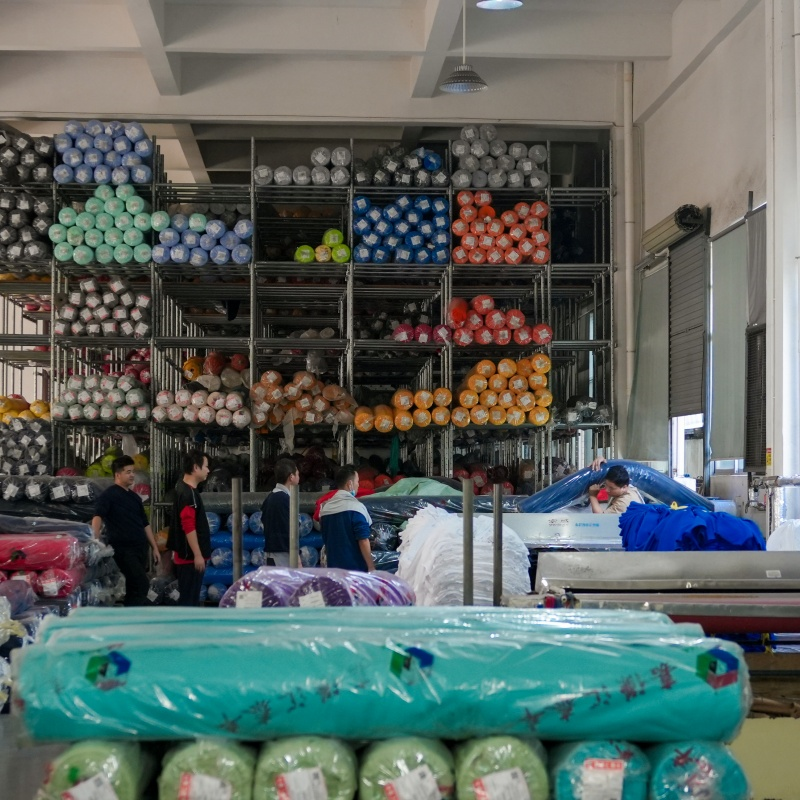
In the B2B apparel world, a “Factory Second” refers to a finished garment that fails to meet a brand’s strict Quality Control (QC) standards due to minor cosmetic defects.
Technical Comparison: First Quality vs. Factory Seconds
| Feature | First Quality (Grade A) | Factory Seconds (Grade B) | Irregulars |
| QC Standard | Meets 100% Brand Specs | Minor Cosmetic Defects | Functional / Structural Defects |
| Price Point | Full Wholesale Price | 40–60% Discount | 70–80% Discount |
| Resale Value | High (Primary Market) | High (After Upcycling) | Low (Outlet / Disposal) |
| Typical Defects | None | Stitching deviation, slubs | Holes, severe asymmetry |
Why They Are Perfect for Tank Top Conversion:
Many T-shirts are categorized as factory seconds due to defects in sleeves, armholes, lower hems, or sizing issues—exactly the areas removed when converting a T-shirt into a tank top. By re-cutting the pattern, the defect is effectively eliminated.
3. The Technical Transformation: Turning T-Shirts into Tank Tops
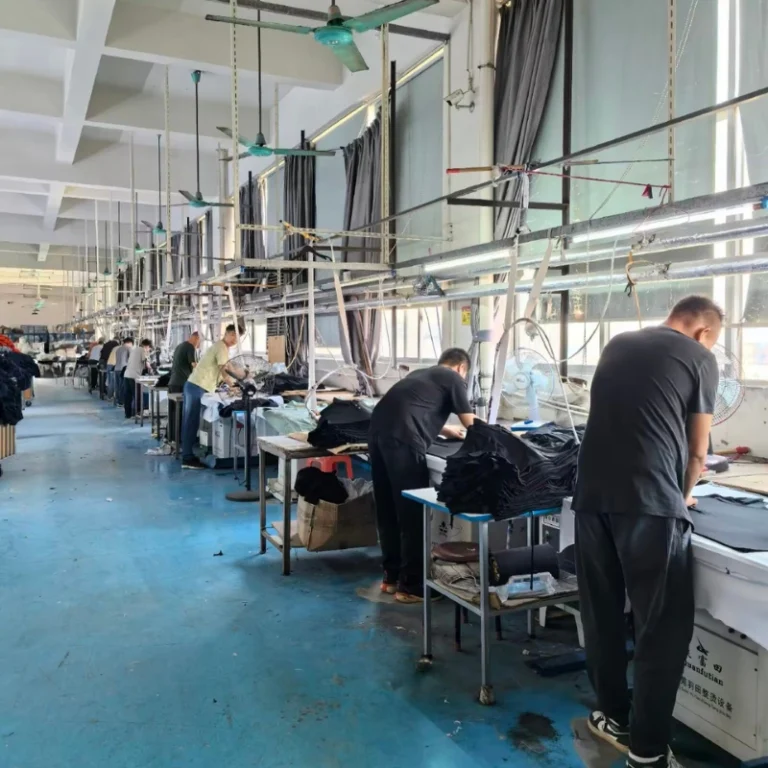
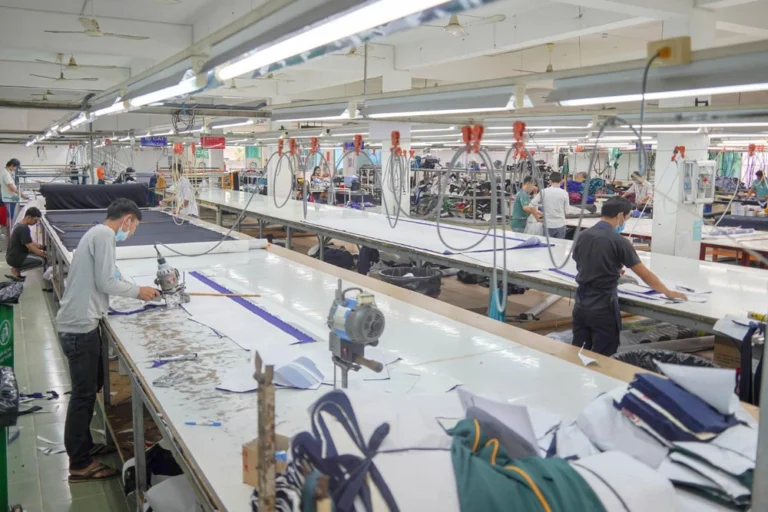
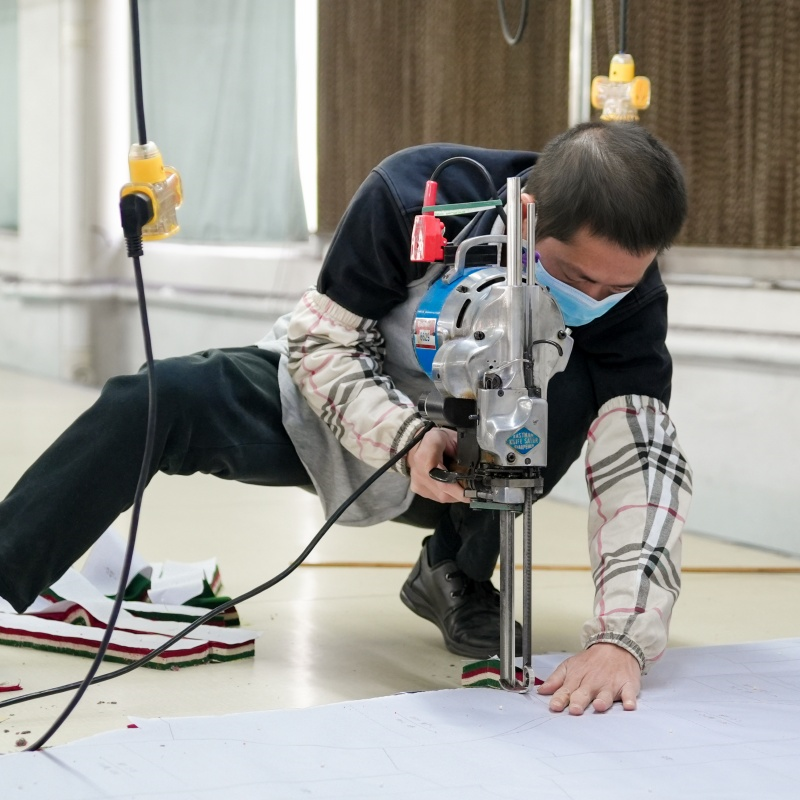
Transforming a standard T-shirt into a professional-grade tank top requires more than basic cutting. To ensure B2B scalability, we follow a standardized industrial workflow.
Industrial Modification Workflow (Timeline)

Batch inspection using AQL 2.5 standards to identify reworkable units.

Acrylic master templates are used to ensure consistent sizing across batches of 1,000+ units.

Electric rotary cutters remove sleeves and reshape necklines.

Overlock stitching is applied to hems, followed by heat-press label application.
Step-by-Step Industrial Methodology
4. The Economic Logic: ROI Analysis
Think of a factory second T-shirt as a “rough diamond.” Its value is hidden beneath a minor flaw.
The Metaphor:
If a standard T-shirt is a block of marble with a small crack, a sculptor does not discard it. Instead, they carve the final form to avoid the flaw—creating something more artistic and valuable than the original block.
| Item | Cost per Unit (USD) | Total Investment |
| Factory Second T-Shirt (Premium Cotton) | $1.80 | $1,800 |
| Industrial Labor (Cutting / Binding) | $0.75 | $750 |
| Packaging & New Labeling | $0.30 | $300 |
| Total Production Cost | $2.85 | $2,850 |
| Estimated Retail Price | $18.00 | $18,000 |
| Gross Profit Potential | — | $15,150 (531% ROI) |
5. Sustainability & ESG: The Future of B2B Sourcing
Why are B2B buyers shifting toward this model? Because modern consumers no longer purchase garments alone—they purchase stories.
Zero-Waste Branding
Tank tops made from recycled T-shirts allow brands to use terms such as “Eco-Conscious” and “Upcycled.”
Authority Quote The Business of Fashion sustainability report
According to The Business of Fashion,
“Sustainability is no longer a luxury; it is a business imperative for the apparel supply chain.”
6. Conclusion: Your Partner in Profitable Upcycling
Converting factory second T-shirts into tank tops is one of the most effective ways to minimize waste and maximize margins. It directly addresses inventory loss while delivering a fresh, market-ready summer product.
As a professional B2B manufacturing partner, we provide inventory solutions—helping clients source the right factory seconds, execute industrial-scale conversion, and ensure every “defect” becomes a “design feature.”
We are a professional apparel manufacturing solutions provider based in Guangdong, China, with over sixteen years of industry experience. For any apparel production inquiries or brand growth solutions, please contact us via email, inquiry form, or WhatsApp below.