

Introduction
Sourcing clothing manufacturers in China can be one of the best decisions your brand ever makes — or one of the most expensive mistakes.
Red Flag #1: They Agree to Everything Immediately
This sounds counterintuitive. Isn’t a manufacturer that says yes to all your requirements a good thing?
Not if they say yes before they’ve actually reviewed what you’re asking for.
A legitimate factory will push back on things. They’ll tell you a certain fabric won’t work well for that construction. They’ll ask for clarification on a tech pack detail before quoting. They’ll flag that your timeline is aggressive before accepting it.
When a factory agrees to your MOQ, timeline, price, and spec list within the first conversation — without asking a single technical question — it’s usually a sign of one of two things: they have no idea what they’re actually agreeing to, or they’ll figure out the problems later and ask you to absorb the cost.
Either way, it’s a problem
What to do: Ask technical questions on purpose. Ask them what their recommended fabric weight is for your product, what their standard seam allowance is, or what their typical sampling lead time is. A genuine manufacturer will give you genuine answers. A factory that wants your deposit will give you generic, agreeable answers.
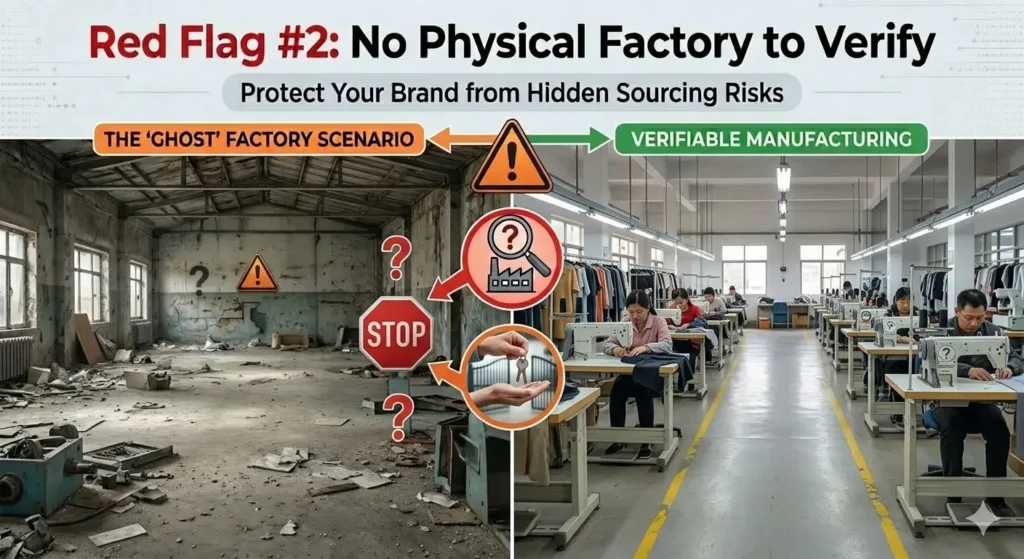
Red Flag #2: No Physical Factory to Verify
Some of these “manufacturers” in China are trading companies, which are simply middlemen who take your order, inflate the price, and then outsource production to a third-party factory over which they have little control.
While trading companies are not necessarily evil and can add significant value to a project, pretending to be a manufacturer when in fact they are not is not only dishonest but can have serious repercussions for your brand.
If your production goes through an intermediary, you don’t get to see the actual factory that’s producing your clothing. It’s also much harder to troubleshoot quality issues. Your designs and data are shared without your consent. And you’re paying extra for management that you didn’t ask for.
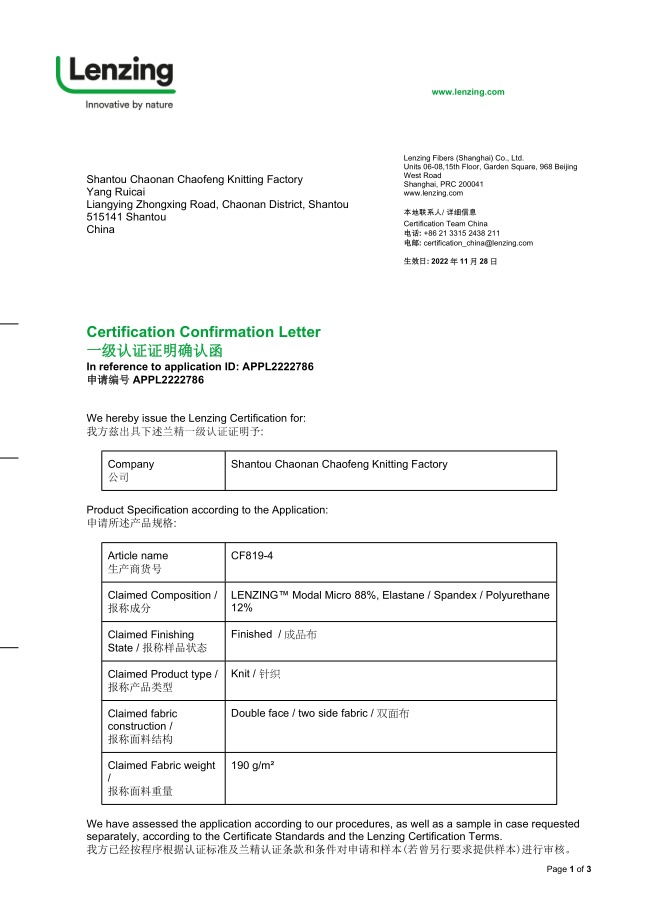
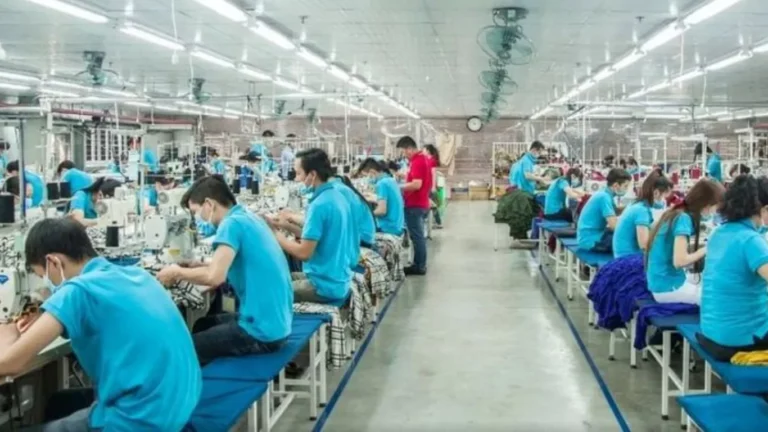
What to do: Demand to see the actual physical location of the factory, the business registration documents, and some photos of the factory floor that aren’t stock images. Better yet, ask for a video call with someone who walks you around the factory floor. How many machines do they have? How many workers? What’s their output per day? A real factory would not hesitate to answer that.
Red Flag #3: Unusually Low Pricing
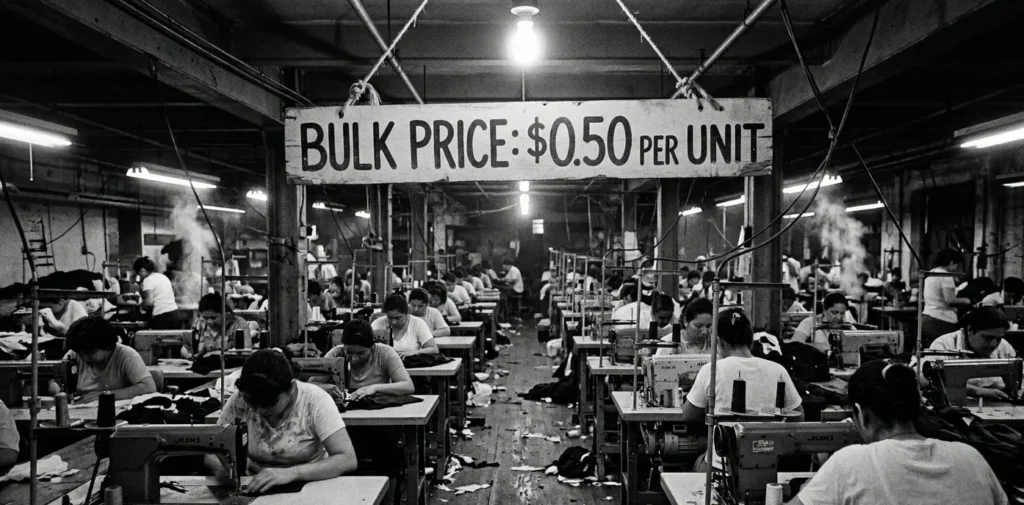
Everyone wants competitive pricing, and Chinese manufacturing can be very cost-effective. However, there’s a level below which you cannot produce good quality, and some factories will price below that level, knowing that you will not discover that fact until it’s too late.
Abnormally low pricing is usually a signal that corners will be cut somewhere: cheaper fabric than specified, fewer quality checks, workers rushing through finishing to hit volume, or lower-grade hardware and trim.
The math is simple. Fabric costs what it costs. Skilled labor costs what it costs. If a factory is quoting you a price that doesn’t cover those fundamentals, something in the production process is being substituted — and usually not disclosed upfront.
What to do: Get quotes from at least three manufacturers for the same spec. If one quote is significantly lower than the others, ask them to break down the costing — fabric, cut and sew, trim, finishing, packaging. If they can’t or won’t explain the breakdown, treat that as a warning.
Red Flag #4: Vague or Inconsistent Communication
The way a factory communicates before you place an order is a near-perfect preview of how they will communicate during production.
Watch for: slow response times, answers that don’t really answer your question, different information from different people, or sales-side promises that the production team later goes back on.
These are not small quirks. They are signs of either disorganization, a language barrier that will only get worse as time goes on, or a factory that is taking on too many clients with too little infrastructure.
In garment manufacturing, details are huge. A misinterpreted measurement, a wrong colorway, a missed label placement – these things happen through communication breakdowns, and they add up when the communication was already iffy to begin with.
What to do: Pay attention to the first few communications. Are questions being answered directly? Is the same information being relayed consistently? Do they offer important information, or do you have to pry it out of them? You’re testing their communication style, not just their price.
Red Flag #5: Reluctance to Provide Samples Before Bulk
If a manufacturer is pressuring you to forgo sampling and dive into production immediately, regardless of the justification they provide, it is a red flag.
Some justifications they might provide include: “Our quality is guaranteed.” “Sampling takes too long for your project timeline.” “You can approve it just by viewing the photos.” None of these justifications replaces the need for a sample.
Sampling is for your protection. It is where you learn that the fabric doesn’t lay flat, the size is too big, the zipper is wrong for your specifications, or the printed image loses detail. These are issues that can be addressed at the sample phase. They are costly, possibly disastrous issues at the production phase.
If you’re a manufacturer that’s confident in the quality of your product, you shouldn’t be afraid of the sampling process. In fact, they should be looking forward to it. If they’re resistant to the idea of sampling, it’s either because they know something’s not up to your standards or they don’t have the technical capabilities to meet those standards in smaller quantities. What to do: Sampling should be non-negotiable. Any manufacturer that’s worth working with will agree with this.
Red Flag #6: No Clear Quality Control Process
Ask a manufacturer directly: “What does your quality control process look like?”
If the answer is vague — “we have experienced workers” or “we check everything before shipping” — that’s not a QC process. That’s a sales answer.
A genuine QC process has specific stages: in-line inspection during production, end-of-line checking against your approved sample, measurement verification against your spec sheet, and AQL (Acceptable Quality Level) standards that define what pass/fail looks like. Some factories also allow or facilitate third-party audits.
Without a real QC structure, there’s no systematic way to catch defects before they leave the factory. Problems only surface when your inventory arrives, and you’re looking at a warehouse full of garments you can’t sell.
What to do: Ask them to describe their QC process in detail. Ask what happens if defects are found. Ask whether they allow third-party inspection. A factory that takes quality seriously will have real answers to these questions.
Red Flag #7: Asking for 100% Payment Upfront
Standard payment terms in garment manufacturing typically look like a 30–50% deposit before production, with the remaining balance paid before or upon shipment. This structure protects both parties — the factory has working capital, and you have financial leverage to ensure the order is completed to spec.
A factory asking for full payment before production begins is asking you to remove all your leverage before they’ve delivered anything. If the quality is poor or the order doesn’t arrive, recovering that money from overseas is extremely difficult.
This doesn’t mean every factory with unusual payment requests is a scammer. Some smaller operations have cash flow constraints. But the structure of the ask should still give you pause, and it should trigger more due diligence before you agree.
What to do: Propose standard terms. If they refuse to negotiate on the payment structure at all, treat it as a red flag. For new factory relationships, consider using a secure payment method or escrow service until trust is established.
The Bigger Picture: Due Diligence Isn’t Optional
None of these red flags requires you to be cynical about every manufacturer you talk to. Most factories operating at a professional level won’t trigger any of them. The goal isn’t suspicion — it’s discernment.
The clothing brands that build strong manufacturing relationships in China are the ones that ask good questions early, don’t skip the verification steps, and treat the sourcing process as seriously as the design process.
Finding the right manufacturing partner takes more time upfront. But it saves you from the far more expensive experience of finding out something is wrong when your bulk order lands.