


Digital Printing · Unlimited Colour · Soft Feel
Detailed Designs, Soft Feel
Direct-to-Garment (DTG) printing uses precision inkjet technology to infuse water-based inks directly into fabric fibres—delivering photographic-quality, full-colour prints with an ultra-soft, breathable feel. No screens. No colour limits. No minimum order.
✔️ Photo-Realistic Detail
Perfect for complex artwork, gradients, and high-resolution designs.
✔️ Soft, Breathable Finish
Ink blends into the fabric for a smooth, no-feel print.
✔️ No MOQ Flexibility
Ideal for small runs, sampling, and custom on-demand production.
Technology Overview
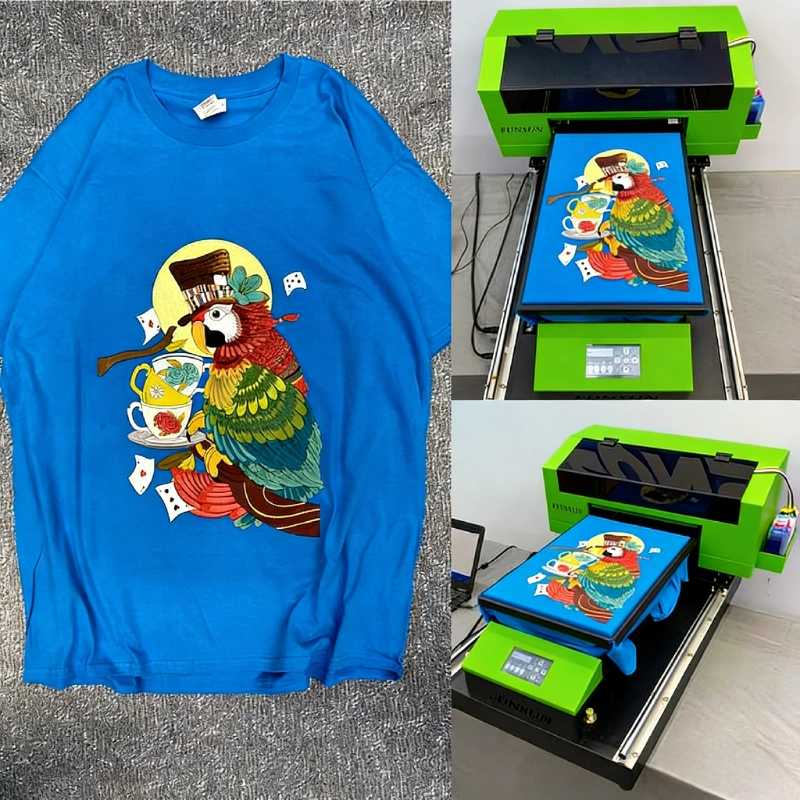
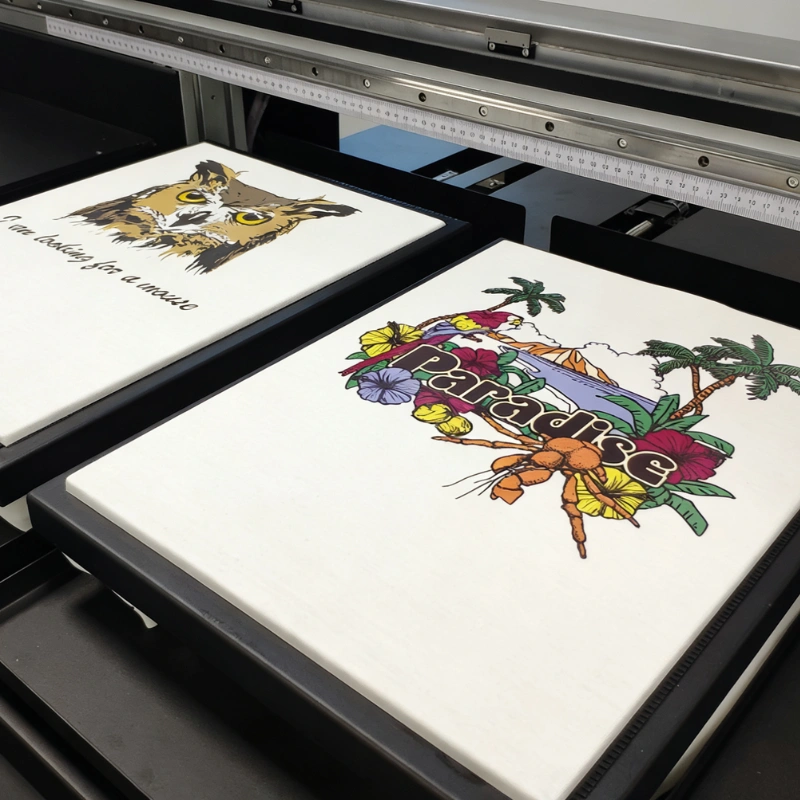
What Is Direct to Garment Printing?Direct to Garment printing is a digital printing process that works like a high-precision inkjet printer — except instead of paper, the print head passes over a garment stretched flat on a platen. Water-based inks are fired directly into the fabric fibres at resolutions up to 1200 DPI, producing prints with photographic-quality detail and an ultra-soft hand-feel that cannot be achieved with screen printing.
Unlike screen printing, which requires a separate screen for each colour, DTG prints the entire design in a single pass using CMYK and extended colour gamut ink sets. This means unlimited colours, gradients, photographic images, and complex artwork can all be reproduced without any additional setup cost or lead time beyond the digitising of your file.
For brands needing high-quality prints on small quantities, complex artwork with photography or illustration, or rapid sampling with quick turnaround — DTG is the most efficient and versatile digital print solution available in garment manufacturing today.
Best Used For
Where DTG Printing Delivers Its BestDTG excels wherever detail, colour complexity, and small-run flexibility
matter most. Here are the six categories where it delivers results no other
print technique can match.
Technique 01
Photographic & Complex ArtworkReproduce full-colour photographic images, detailed illustrations, and artwork with gradients, shadows, and tonal variation that screen printing cannot achieve. DTG at 1200 DPI delivers print quality that is indistinguishable from a high-resolution printed image — directly on fabric.
Technique 02
Artist & Designer Collections
Apparel collaborations with artists and illustrators benefit enormously from DTG — the print process reproduces the full detail of original artwork without colour compromise or simplification. Every brush stroke, texture, and colour blend transfers faithfully to the garment surface.
Technique 03
Premium Fashion & LifestyleFor fashion brands where print quality and garment feel define the product value, DTG’s soft-hand result elevates the wearing experience. No rubberised surface. No ink layer that feels separate from the fabric. Just colour that lives in the fibres — as premium as the garment itself.
Technique 04
Pre-Production SamplingBefore committing to a full screen printing run, brands use DTG to produce single-unit design samples — evaluating colour, layout, and composition on an actual garment. Faster and cheaper than screen printing setup, and identical in colour depth to the final production print on cotton.
Technique 05
Print-on-Demand & Small Runs
Brands launching new designs, testing colourways, or operating with a lean inventory model benefit from DTG’s ability to print any quantity — from 1 to hundreds — without screen setup cost. Ideal for e-commerce brands that fulfil orders individually rather than holding large pre-printed stock.
Technique 06
Limited Edition & Event Apparel
Limited drops, event merchandise, and collection launches that need high design quality at short notice and small quantities are a perfect match for DTG. Unique colourways, numbered editions, and one-off prints are all achievable without minimum order constraints or screen plate investment.
Print Configurations
DTG Print Modes & OptionsDTG printing adapts to your garment colour, fabric weight, and design complexity
through different print configurations. Understanding these modes helps you get
the best result for your specific order.
☀️
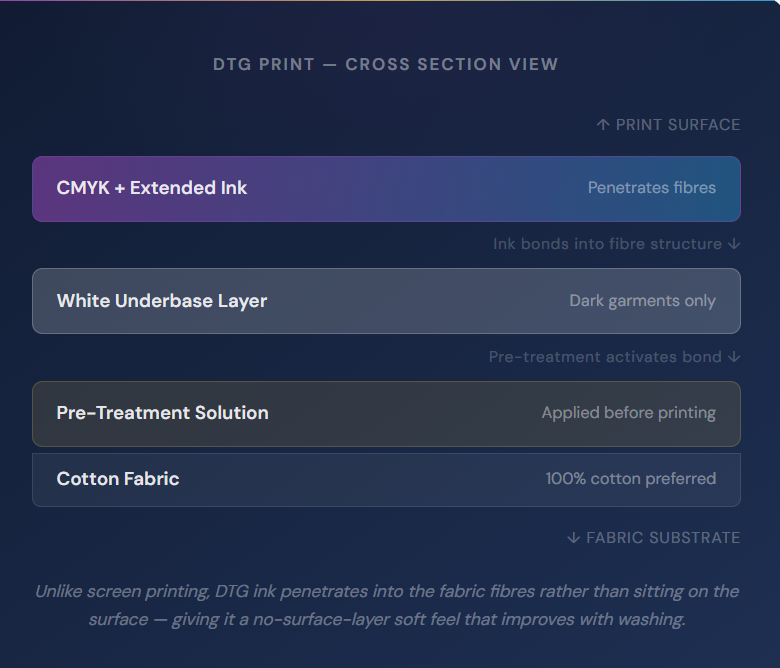
Light Garment DTGPrinting on white and light-coloured garments (white, cream, light grey, light pastels) is the most straightforward DTG configuration. The CMYK ink set prints directly onto the fabric without any underbase layer producing the most vibrant results. Light garment DTG requires pre-treatment and delivers the cleanest, sharpest image quality available from the process. Recommended for all brands beginning with DTG.
No Underbase Needed
🌑
Dark Garment DTGPrinting on black, navy, dark charcoal, and other dark garments requires a white ink underbase to be printed first and cured — giving the colour inks a bright neutral surface to sit on. The underbase adds a slight hand-feel compared to light garment DTG, but still significantly softer than screen printing. Colour vibrancy on dark grounds is exceptional. Pre-treatment is critical for proper underbase adhesion on dark fabrics.
White Underbase Required
🎨
Full-Colour Photographic ModeFor artwork with continuous tone, photography, or illustration containing hundreds of individual colours, DTG is set to maximum resolution mode — printing at up to 1200 DPI with multiple ink passes to build depth, shadow, and tonal complexity. This mode takes longer per garment but delivers reproduction quality that rivals fine-art digital printing on fabric. Ideal for artist collaboration pieces and premium fashion garments.
Max 1200 DPI
⚡
Fast Mode Simple Spot ColourFor designs with a limited number of solid colours and clean edges — such as logos, wordmarks, and simple graphic elements — DTG can be run in a faster lower-pass mode. This reduces print time per garment, lowering cost on larger runs, while maintaining sharp edge quality for the design type. A practical option for brands using DTG for branded basics with consistent logo reproduction across mid-volume orders.
Higher Volume Efficiency
Production Workflow
From File to Printed & DeliveredDTG production is faster than screen printing because there are no screens to burn
and no ink mixing — your file goes directly from approval to print-ready within hours
, not days.
File Preparation
Your artwork is checked for resolution, colour profile, and transparency. We prepare a print-ready file with colour management applied and advise
Pre-Treatment
Garments are pre-treated with a bonding solution before printing — essential for ink adhesion on cotton and for underbase stability on dark garments.
DTG Print
The garment is loaded onto the printer platen and the design is printed in a single automated pass. For dark garments, the white underbase is printed first
Heat Curing
Printed garments pass through a heat tunnel or conveyor dryer at 160°C to cure the water-based ink — permanently bonding the ink to the fabric fibres
QC & Pack
Every printed garment is inspected for colour accuracy, print sharpness, edge definition, and ink adhesion before packing. QC photo report included. QC & Pack
| Specification | Detail |
|---|---|
| Print Method | Direct to Garment inkjet printing — water-based CMYK + extended gamut pigment inks |
| Minimum Order Quantity | 1 piece — no minimum order; no screen setup cost |
| Sample Turnaround | 3–5 business days from artwork approval — faster than screen printing due to no screen production |
| Maximum Print Resolution | Up to 1200 DPI — photographic-quality detail reproduction |
| Colour Range | Unlimited — full CMYK + extended gamut; 16.7 million+ reproducible colours, continuous tone gradients |
| Artwork File Format | PNG with transparent background preferred (300 DPI minimum at final print size); PDF, PSD, AI also accepted |
| Colour Profile | sRGB for most accurate on-screen-to-print conversion; Adobe RGB accepted; CMYK conversion handled in-house |
| Light Garment Printing | CMYK inks direct to fabric — no underbase required; softest feel and most vibrant result |
| Dark Garment Printing | White underbase printed and heat-flashed first, then colour layer — slight additional hand-feel vs light garment DTG |
| Pre-Treatment | All garments pre-treated with bonding solution before printing — critical for ink adhesion and wash durability |
| Maximum Print Area | Up to 40 × 50cm on standard adult garment platens; smaller platens for children’s and accessory items |
| Best Fabric | 100% cotton preferred; cotton-poly blends (60% cotton minimum) also suitable; polyester-dominant fabrics perform better with DTF |
| Wash Durability | 30–50+ washes at 40°C with correct care (inside out, cold wash, no tumble dry on high heat) |
| Eco Credentials | Water-based inks — no PVC, phthalates, or solvents; OEKO-TEX compliant; compatible with GOTS organic cotton garments |
| Payment Terms | T/T, PayPal, Wise, Western Union accepted; invoiced with production order |
Compatible Garments
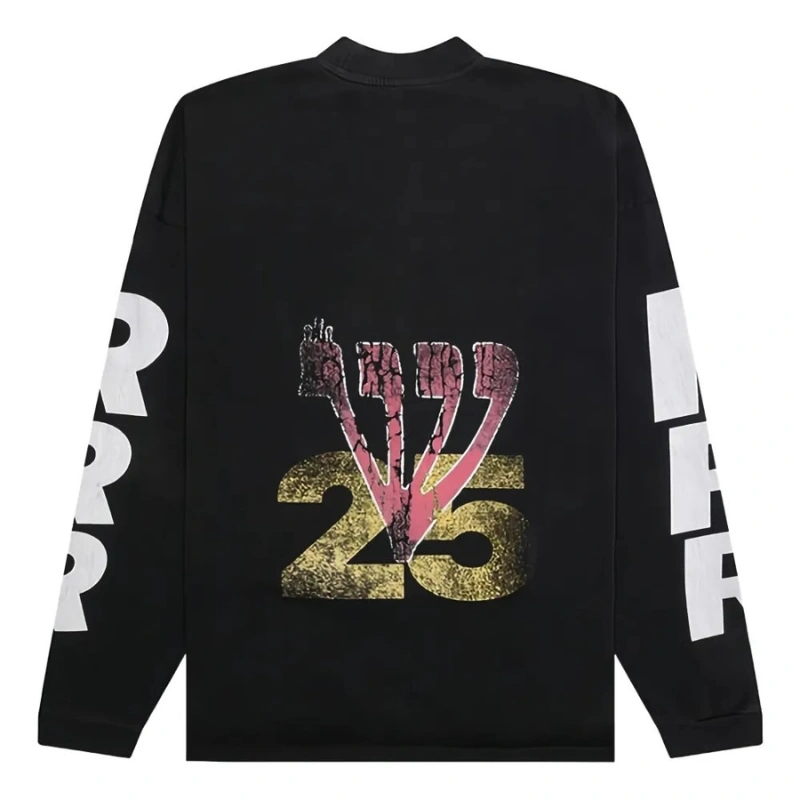
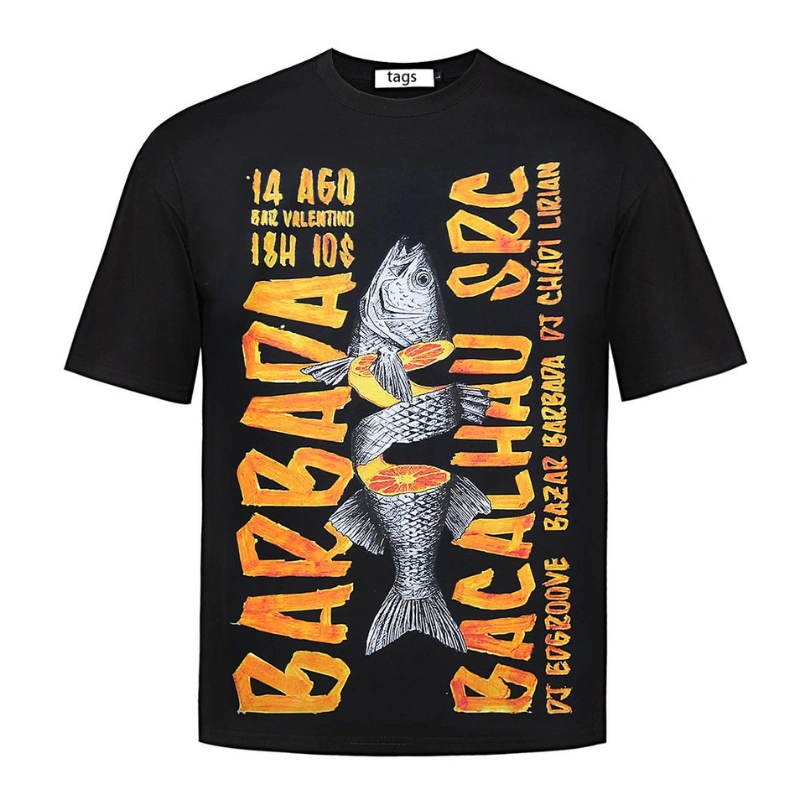
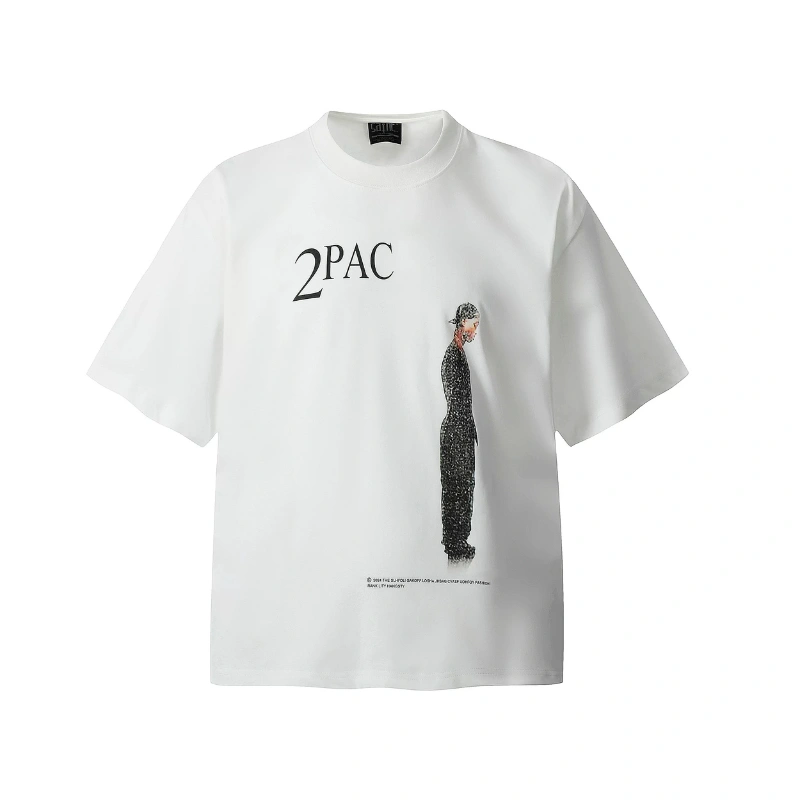
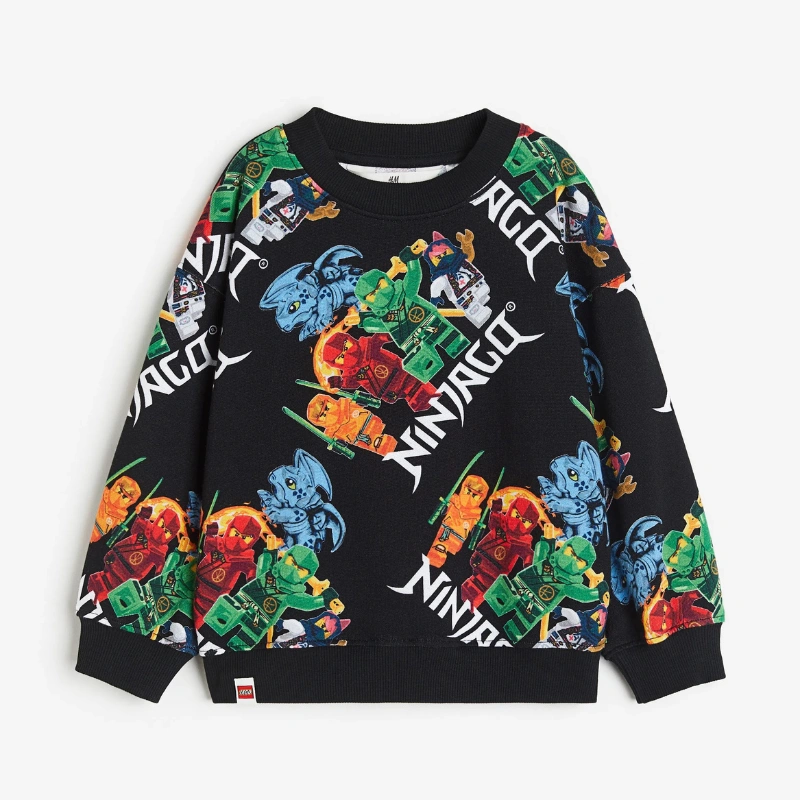
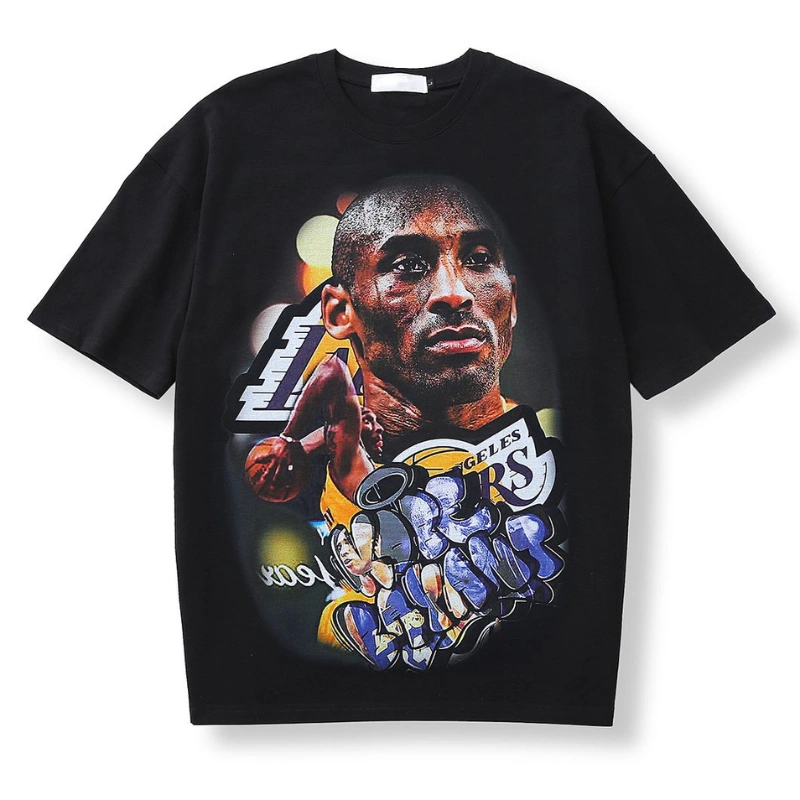
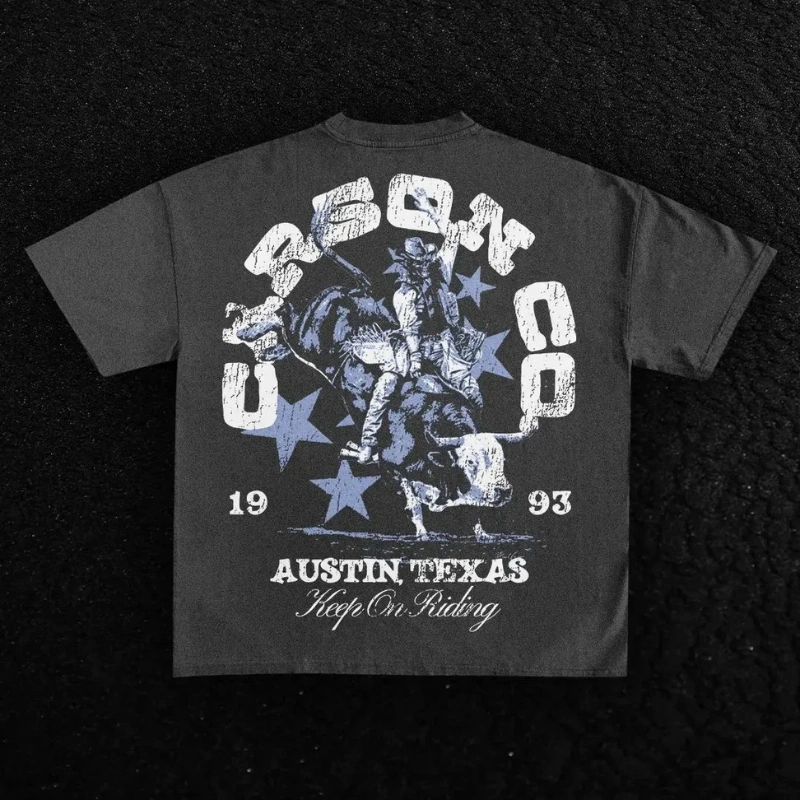
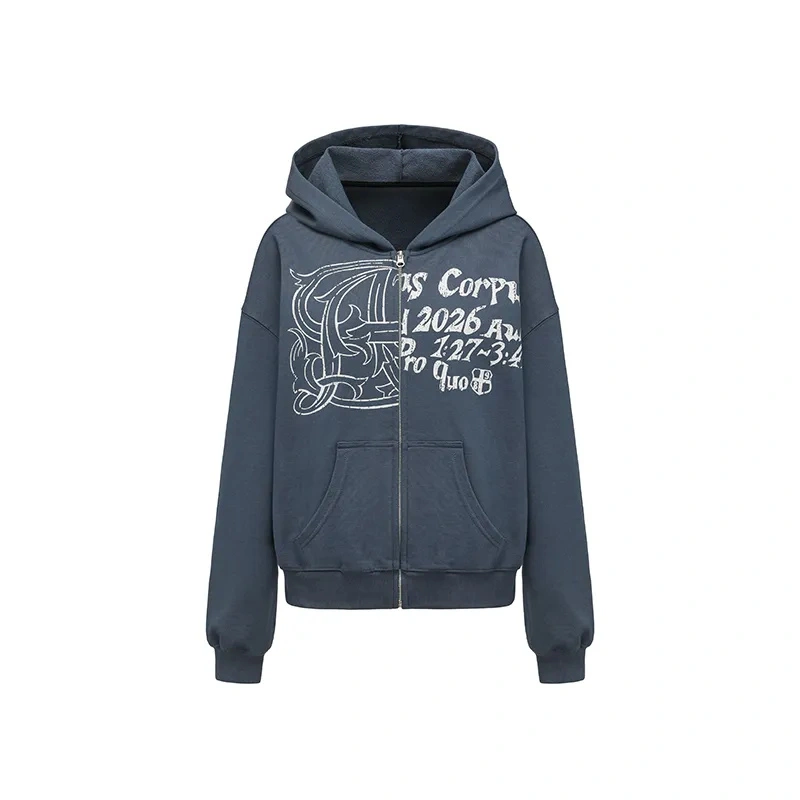
Best Garments for DTG PrintingDTG performs at its best on natural fibre garments — particularly 100% cotton — where ink bonds directly into the fabric structure. Here are the most compatible garment types and fabric compositions.
Let’s build your brand together.