
Tailoring is the secret behind clothing that looks polished, confident, and custom-made. Even the most expensive outfit can look average if it doesn’t fit properly, while a simple garment can look premium with the right adjustments. This beginner tailoring guide explains tailoring basics, essential tools, techniques, and step-by-step methods to help you achieve the perfect clothing fit—even at home.
At MY APPAREL MANUFACTURER, we believe understanding garment tailoring basics empowers individuals and brands to create better-fitting, longer-lasting clothing. Tailoring Basics for Beginners Complete Quide.
What Is Tailoring in Clothing and Why It Matters
Tailoring in clothing refers to adjusting garments to better fit a person’s body shape. These adjustments—called clothing alterations basics—improve comfort, appearance, and confidence.
Why tailoring is important for fit:
- Enhances body proportions
- Eliminates bagginess or tightness
- Improves movement and comfort
- Extends garment lifespan
- Creates custom-fit clothing without buying new items
Whether it’s casual wear or formal wear, tailoring fundamentals apply to almost every type of garment.
Tailoring Basics for Beginners: Where to Start
If you’re new to tailoring, start with simple, low-risk adjustments. This tailoring guide for beginners step by step focuses on learning fit before advanced sewing.
Beginner-friendly tailoring basics:
- Hemming pants for beginners
- Sleeve length adjustment guide
- Waist adjustment tailoring
- Taking in clothes properly
- Letting out seams basics
These are common basic garment alterations that create immediate improvement.
Measuring for Tailoring: Garment Fitting Basics
Accurate measurements are the foundation of perfect fit tailoring. Poor measurements are one of the biggest tailoring mistakes beginners should avoid.
Tailoring measurements guide:- Chest and bust
- Waist and hips
- Sleeve length
- Inseam and outseam
- Shoulder width
Always measure while wearing the garment and standing naturally. This step ensures tailoring fit adjustments are precise.
Essential Tailoring Tools for Beginners
You don’t need expensive equipment to start. A basic tailoring supplies checklist is enough for most beginners.
Essential tailoring tools:
- Measuring tape
- Fabric scissors
- Hand sewing needles
- Tailor’s chalk
- Straight pins
- Seam ripper
- Iron
These tailoring essentials support both hand sewing for tailoring and small machine work.
Sewing vs Tailoring Basics: What’s the Difference?
Many beginners confuse sewing basics for clothing fit with tailoring. Sewing creates garments; tailoring refines them.
- Sewing basics: Stitching pieces together
- Tailoring techniques: Adjusting fit, shape, and balance
Tailoring focuses on how clothes sit on the body, not just how they’re constructed.
Basic Tailoring Techniques Explained
Understanding basic tailoring techniques explained helps you confidently modify everyday clothes.
Common tailoring techniques:
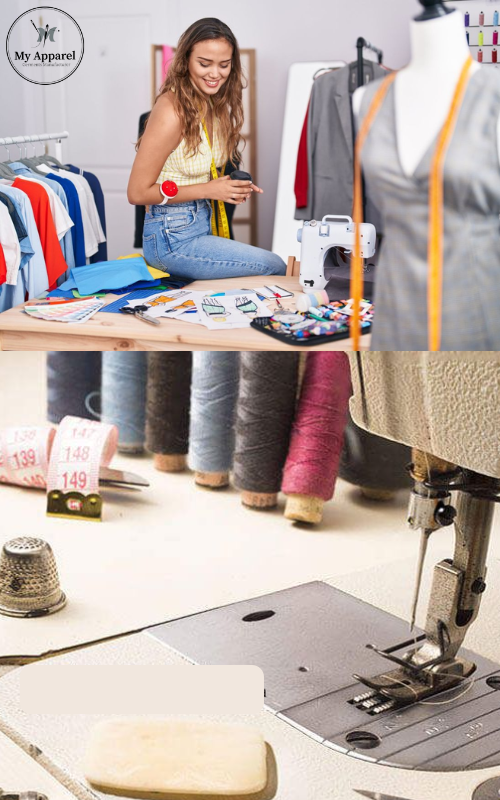
- Taking in seams
- Letting out seams
- Darts for shape
- Sleeve shortening or lengthening
- Waist tapering
These techniques apply to both men’s and women’s garments.
Tailoring Basics at Home: Can Beginners Do It?
Yes—tailoring clothes at home is realistic for beginners with patience and practice.
Easy tailoring tips for beginners:
- Practice on old clothes
- Alter one area at a time
- Always test fit before final stitching
- Press seams after each step
Home tailoring builds confidence and reduces dependence on professional services.
Tailoring Basics for Men and Women
While principles remain the same, fit priorities differ.
Tailoring basics for men:
- Jacket shoulders
- Pant length and taper
- Shirt waist suppression
Tailoring basics for women:
- Bust and waist shaping
- Hem length
- Sleeve fit
Both benefit equally from custom fit clothing guide principles.
Tailoring Basics for Casual and Formal Wear
Casual wear tailoring:
- T-shirts and shirts
- Jeans and chinos
- Everyday jackets
Formal wear tailoring:
- Suits and blazers
- Dress pants
- Structured dresses
Formal garments often require professional tailoring basics, while casual wear is ideal for beginners.
Common Tailoring Mistakes Beginners Should Avoid
Avoid these frequent errors:
- Cutting fabric before fitting
- Ignoring grain lines
- Over-tightening garments
- Skipping pressing steps
- Incorrect measurements
Mistakes are part of learning, but awareness speeds improvement.
How Much Tailoring Do Beginners Need?
Beginners don’t need to tailor everything. Start small.
Best beginner alterations:
- Hemming pants
- Sleeve shortening
- Minor waist adjustments
These changes offer high impact with low complexity.
How Tailoring Improves Clothing Fit Long-Term
Tailoring improves fit, sustainability, and style consistency. Instead of replacing clothes, alterations extend usability—an approach supported by MY APPAREL MANUFACTURER for both individuals and fashion brands.
Conclusion: Mastering Tailoring Fundamentals for Perfect Fit
Tailoring is not difficult—it’s a skill developed through practice. By learning tailoring basics for beginners, understanding measurements, tools, and techniques, you gain control over how clothes fit your body, along with a deeper knowledge of fabric types used in tailoring.
At MY APPAREL MANUFACTURER, we see tailoring as the foundation of premium clothing. Whether at home or professionally, tailoring transforms garments into confidence.