
Achieving the perfect fit is one of the most important skills in fashion. Whether you’re a beginner, a DIY tailor, or someone who wants to improve garment fitting skills, mastering essential tailoring techniques can transform your wardrobe. At MY APPAREL MANUFACTURER, we believe that well-fitted clothing isn’t just style—it’s confidence, comfort, and craftsmanship.
In this complete guide, we will walk you through expert tailoring advice, clothing adjustment techniques, and step-by-step tips that make tailoring easy—even from home.
Understanding Circular Fashion
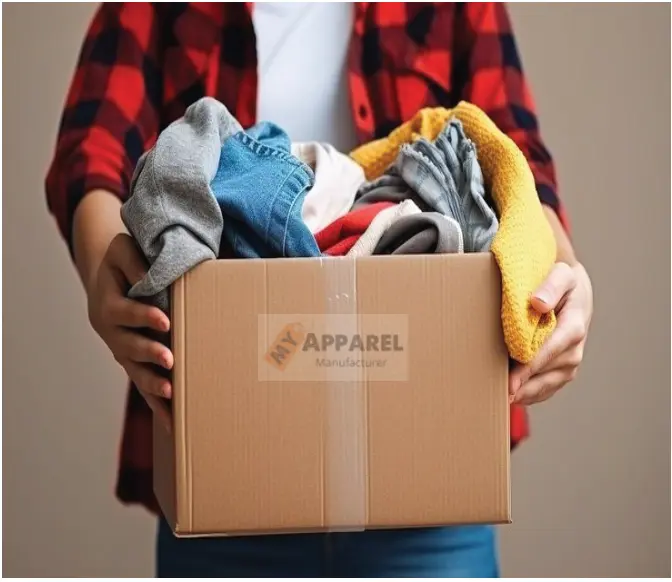
Before diving into garment fitting, it’s important to understand how tailoring contributes to circular fashion. Circular fashion promotes repairing, adjusting, and reusing clothing instead of discarding it. When you learn how to tailor clothes, you extend their life, improve sustainability, and reduce fabric waste.
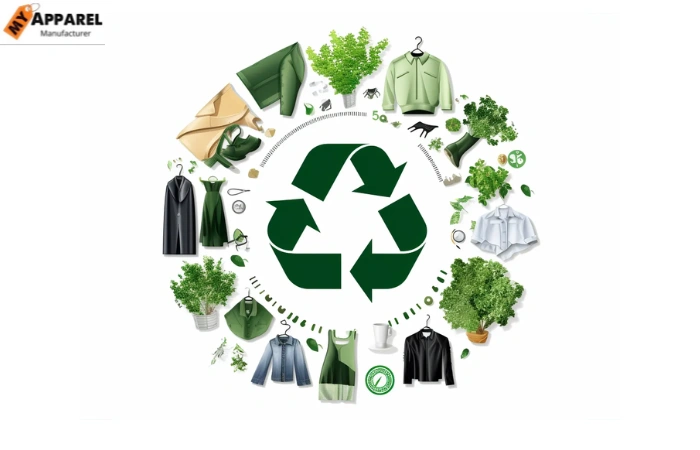
How Tailoring Supports Circular Fashion
- Extends the lifespan of garments through proper alterations
- Reduces textile waste by encouraging repair instead of replacement
- Promotes custom-fit clothing, reducing the need for mass-produced garments
- Encourages responsible consumption by reviving old clothes
- Enhances quality by adjusting clothes to better fit your changing body
Tailoring isn’t just a skill—it’s a fashion practice that supports long-term sustainability.
Key Components of Circular Fashion
To understand how tailoring fits within circular fashion, you must recognize the essential components that drive this modern fashion movement.
1. Repairing & Restoring Clothes
One of the core principles of circular fashion is repairing clothing instead of throwing it away. With simple DIY tailoring and clothing alteration tips, you can fix loose clothes, tighten garments, or alter pieces that no longer fit.
Examples of easy home tailoring techniques include:
- Replacing buttons
- Tightening waistlines
- Hemming pants and sleeves
- Fixing small tears or loose seams
These simple tailoring skills for beginners can save you money while reducing waste.
2. Upcycling & Repurposing Fabrics
Upcycling involves turning old clothing into something completely new. By learning sewing and tailoring basics, you can reshape old shirts, transform jeans into shorts, or add panels to increase size.
Tailoring allows creative customization without purchasing new garments.
3. Perfect Fit Tailoring
Another important aspect of circular fashion is ensuring every clothing item fits perfectly. With the right garment fitting tips and tailoring step-by-step guidance, you can adjust clothing to complement your body shape.
Perfect fit tailoring includes:
- Adjusting shoulders
- Reducing bagginess
- Shortening sleeves
- Reshaping silhouettes
At MY APPAREL MANUFACTURER, we encourage consumers to embrace custom-fit clothing instead of buying fast fashion that doesn’t fit well.
4. Alteration & Adjustment Techniques
Circular fashion emphasizes altering existing garments. These clothing adjustment techniques help refresh your wardrobe while staying sustainable.
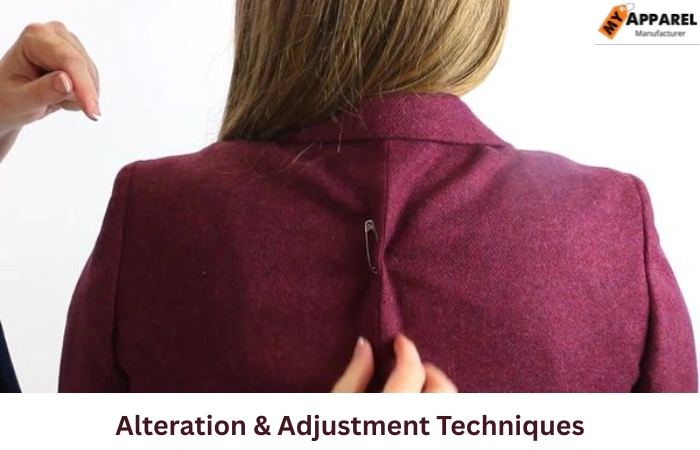
Popular adjustments include:
- Tapering pants for a slimmer fit
- Adding darts for shaping
- Taking in side seams
- Adjusting necklines
Small alterations can dramatically improve both fit and style.
5. Made-to-Measure & Custom Clothing
Circular fashion celebrates personalized, custom-fit designs. At MY APPAREL MANUFACTURER, we promote high-quality tailoring methods to create garments that fit your measurements perfectly.
This reduces returns, improves comfort, and increases longevity.
Benefits of Circular Fashion
Mastering tailoring techniques directly supports the advantages of circular fashion. Below are the biggest benefits:
1. Saves Money and Resources
Tailoring clothes at home or with minor adjustments reduces the need to frequently buy new garments. You can transform an outdated outfit into something stylish and modern.
2. Promotes Sustainability
Sustainable fashion brands like MY APPAREL MANUFACTURER encourage reducing fabric waste. Tailoring conserves materials, energy, and water—making fashion more eco-friendly.
3. Improves Wardrobe Longevity
Garments last longer when maintained and altered properly. By learning simple tailoring methods, you can fix issues before they become permanent.
4. Allows You to Customize Your Style
Tailoring gives you creative freedom. You can modify clothing to match your personal preferences and trends. This includes adjusting silhouettes, adding decorative seams, or modifying lengths.
5. Enhances Fit and Confidence
A perfectly tailored outfit boosts your comfort and confidence. When your clothing fits correctly, you look polished and feel empowered.
Expert Tailoring Techniques for the Perfect Fit
Now let’s explore the most important tailoring skills, hacks, and step-by-step methods you need to achieve a custom fit.
1. Accurate Measurement Techniques
Learning how to measure for tailoring is crucial.
Measure the following areas carefully:
- Shoulders
- Chest/bust
- Waist
- Hips
- Inseam
- Sleeve length
Correct measurements ensure a professional, well-balanced fit.
2. How to Tailor Clothes at Home
Home tailoring is easier than you think. All you need are basic tools:
- Tape measure
- Scissors
- Sewing machine
- Pins
- Chalk
- Thread
Follow a simple tailoring step-by-step process:
- Identify the fitting issue
- Mark the adjustment areas
- Pin the garment
- Sew the alteration
- Try it on and refine
This works for skirts, shirts, pants, and jackets.
3. Tailoring Hacks for Better Fit
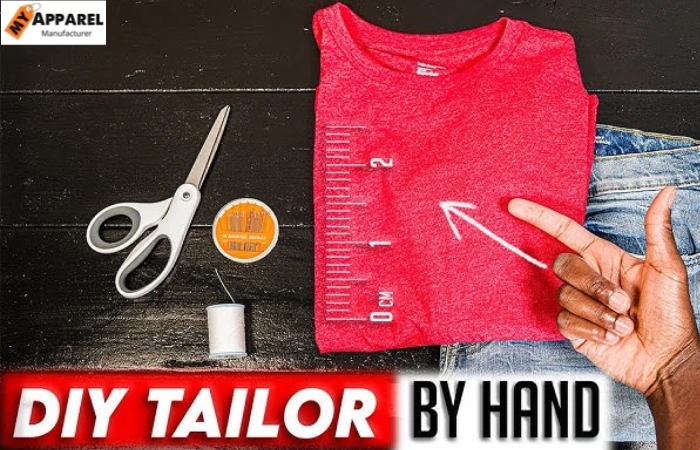
Try these simple tailoring hacks:
- Add darts to shape the waist
- Use hemming tape for quick fixes
- Replace zippers to refresh old garments
- Add elastic bands to tighten waistlines
These hacks help beginners achieve pro-quality results.
4. Best Tailoring Methods for Beginners
Some essential tailoring skills for beginners include:
- Hemming
- Taking in seams
- Shortening sleeves
- Adjusting pant lengths
- Fixing loose threads
These are easy but dramatically improve clothing fit.
5. Alteration and Tailoring Guide
Use this quick alteration guide:
- Loose waist? Take in the side seams
- Long sleeves? Shorten them to wrist level
- Baggy pants? Taper the legs
- Shirt too long? Crop or hem it
- Neckline too wide? Add darts or insert stitches
With these methods, you can customize clothing effortlessly.
Conclusion
Mastering tailoring techniques is the key to creating, repairing, and improving your wardrobe sustainably. By learning how to tailor clothes, adjust fits, and apply essential garment fitting tips, you not only enhance your personal style but also support the growing movement of circular fashion.
At MY APPAREL MANUFACTURER, we encourage everyone—from beginners to fashion creators—to explore tailoring as a way to achieve the perfect fit while reducing waste. Whether you tailor at home or seek professional help, these techniques will help you enjoy long-lasting, comfortable, and stylish clothing.
FAQs
1. What are the easiest tailoring techniques for beginners?
Hemming, taking in seams, and tightening waistbands are the simplest and most effective methods for beginners.
2. How can I tailor clothes at home without a sewing machine?
You can use hemming tape, fabric glue, or hand-stitching methods to make quick and easy adjustments.
3. How do I get the perfect fit from my clothes?
Accurate body measurements and proper garment fitting tips are essential for achieving a customized fit.
4. What tools do I need for tailoring at home?
Basic tools include a tape measure, fabric scissors, stitching needles, thread, pins, and marking chalk.
5. Are tailoring skills essential for circular fashion?
Yes! Tailoring extends garment life, reduces waste, and supports sustainable fashion practices endorsed by MY APPAREL MANUFACTURER.