

The majority of fashion brand owners take many months to agonize over their logos, colors, and photographs of products. In fact, the material used to manufacture the clothes, which is the actual object of use by consumers, is chosen by looking at a screen in an hour or less.
That imbalance is where a lot of early product problems start.
Fabric is not a background decision. It determines how your garment feels, how it fits, how it holds up after twenty washes, how much it costs to produce, and whether your customer wears it twice or ten times. Get it wrong and a beautifully designed garment becomes a product your customers don’t recommend. Get it right and the fabric becomes part of what your brand is known for.
The Fabric Selection Mistakes below are the ones that show up most consistently when new brands are building their first collections. Some are expensive. Some are hard to fix once production has run. All of them are avoidable if you know what to look for.
Mistake 1: Choosing Fabric Based on Swatches Alone
A swatch of fabric tells you something about the fabric. It does not tell you everything about the fabric.
When you look at a swatch of fabric you can get a rough idea of what the color of the fabric is, what the fabric feels like and how heavy the fabric is.. There are things you cannot really tell from a small swatch of fabric like how the fabric will hang on your body how the fabric will hold up when it is stretched or pulled how the color of the fabric will look after you wash it a lot or how the fabric will behave when it is cut and sewn into a garment instead of just lying flat in your hand.
People who are starting brands often make decisions about fabric based on small swatches of fabric that the factory sends them or that they find on a trade website without asking for a bigger sample of the fabric or a prototype of the garment made from that specific fabric. Then they are often surprised when they see the sample because the fabric that felt nice in the swatch does not hang well in the garment or the color is different, from what they thought it would be.
So what should you do instead? You should always ask for least half a meter of any fabric you are seriously thinking about using and have a sample garment made from that fabric before you buy a lot of it. If you are trying to decide between a few fabrics for the same garment you should have samples made from each fabric. The extra cost of making another sample is not a lot compared to the cost of buying the fabric in bulk.
Mistake 2: Ignoring GSM and What It Means for Your Product
GSM — grams per square meter — is the standard measure of fabric weight. It’s one of the most practically important numbers in fabric selection, and it’s one of the first things experienced brands ask about. New brands often overlook it entirely.
The GSM of a fabric affects nearly everything about how the finished garment behaves. A hoodie at 280GSM feels noticeably lighter and cheaper than one at 380GSM. A T-shirt at 140GSM is almost see-through on light colors. A pair of leggings at 200GSM may lack the opacity and compression your activewear customer expects.
Beyond feel and perception, GSM affects cost. Heavier fabrics use more material, which increases per-unit cost. That’s not a reason to automatically choose lighter fabric — it’s a reason to know what GSM your product requires to meet your quality standard, and to price accordingly.
What to do instead: Research the standard GSM range for your product category before you start sourcing fabric. T-shirts typically fall between 160–200GSM. Hoodies between 280–400GSM. Leggings between 200–280GSM. Use that range as your starting point, then adjust based on your brand’s positioning — lighter for warm-weather or fashion-led product, heavier for premium, cold-weather, or performance positioning.
Mistake 3: Not Understanding How Fabric Composition Affects Fit and Performance
The fiber content of the fabric is not merely a point of concern on the care label. It significantly influences the fit of the clothing, its performance during wear, and durability.
For instance, a fashion brand creates a form-fitting T-shirt using a 100% cotton jersey fabric and changes the fabric supplier due to supply issues. They find a new supplier who provides a cotton-polyester blend fabric with the same GSM and similar handle. However, despite the similarity in hand feel, the two types of fabric perform differently once put on. While the cotton jersey is flexible and easy to move in, the blended fabric lacks elasticity, drapes differently, and the garment, which looks excellent when made with all-cotton fabric, becomes stiff and baggy.
Another frequent error is selecting stretch fabric without knowing its stretch percentage and recovery. A fabric that only stretches 50% in one direction and does not recover well is likely to become loose and saggy after several washes around the knees, seat, and elbow joints. Conversely, a fabric that has an appropriate four-way stretch and good recovery retains its form. Both fabrics can be similar according to technical data if the questions asked during selection are not just a preference, but a defined requirement with acceptable tolerances.
Mistake 4: Selecting Fabric Without Testing for Colorfastness
Color is central to most clothing brand aesthetics. What is far less central, in most new brand founders’ minds, is whether that color holds up.
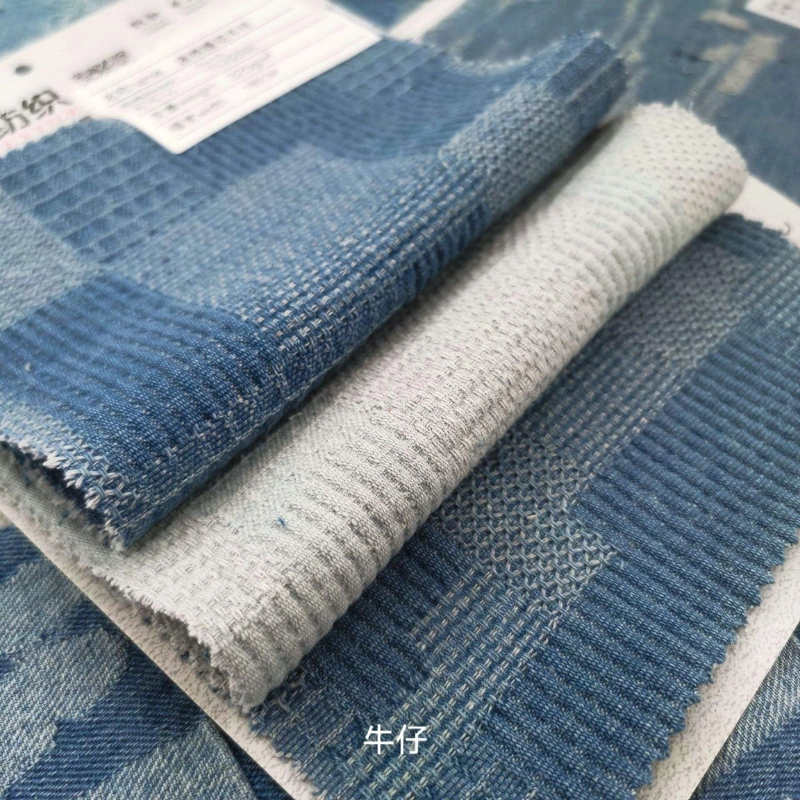
Colorfastness refers to how resistant a fabric’s dye is to fading, bleeding, or transferring — from washing, from exposure to sunlight, from contact with other fabrics, from perspiration. A beautiful sage green that fades to a muted olive after three washes is a customer service problem. A rich navy that bleeds onto a white collar is a returns problem. A bright red that transfers onto a white tote bag in the customer’s shopping bag is a brand reputation problem.
These issues are entirely testable before production. They’re also entirely avoidable with the right fabric specification. But because they only show up after the customer has used the product, new brands often don’t discover them until the reviews start coming in.
What to do instead: Request colorfastness test results from your fabric supplier for the specific fabric and colorway you’re ordering. Standard tests include wash fastness, rub fastness (dry and wet), and light fastness. For performance or activewear specifically, sweat fastness is also relevant. If your supplier cannot provide test data, treat that as a signal to probe further before committing.
Mistake 5: Choosing Trendy Fabric Over Appropriate Fabric
When you are looking at trade platforms and fabric fairs you see a lot of materials that are trending. These include things like knits and novelty weaves that have fashion-forward finishes. They look really great in product photography.. The problem is that they do not always work well when you actually use them.
Sometimes new brands pick a fabric just because it looks good. They do not think about whether it’s really suitable for what they want to use it for. For example a jacket made with a textured boucle fabric might look beautiful in a photo.. After you wear it a few times it might start to pill really badly. A sheer metallic fabric might photograph well. It might not be practical to wear on its own. A slubby linen blend might fit the style you are going for. It might shrink unevenly and wrinkle in ways that you do not expect.
You need to think about how something looks and how it works. Both of these things are important. If a brand cares more about how something looks than about how it works their customers will not buy from them again.
So what should you do instead? When you are looking at fabrics you should ask yourself some questions. Does the fabric look right for the design you have, in mind? Does it work well for what you want to use it for? Does it hold up well when you wash and wear it a lot? You need to be able to say yes to all of these questions before you decide to use a fabric.
Mistake 6: Not Accounting for Fabric Shrinkage
This is a technical mistake that shows up in customer reviews with frustrating regularity: “Loved it until I washed it — now it’s too small.”
Almost all natural and natural-blend fabrics shrink to some degree after the first wash. Cotton typically shrinks 3–5%. Some loosely woven linens can shrink significantly more. Even many synthetic blends shrink slightly. If your patterns and sizing aren’t adjusted to account for post-wash dimensions, your customers are getting a garment that fits differently after the first launder than it did when they bought it.
Experienced brands build shrinkage tolerance into their patterns — the garment is cut slightly larger than the finished target measurement, so that after washing it lands where it should. New brands often don’t know this step exists, or assume it’s the factory’s responsibility without confirming it.
What to do instead: Request shrinkage data — typically expressed as a percentage in the warp and weft directions — from your fabric supplier. Share that data with your pattern maker and confirm it’s been accounted for in your patterns before sampling. Wash your sample garments before evaluating fit. The fit you approve should be the fit after laundering, not before.
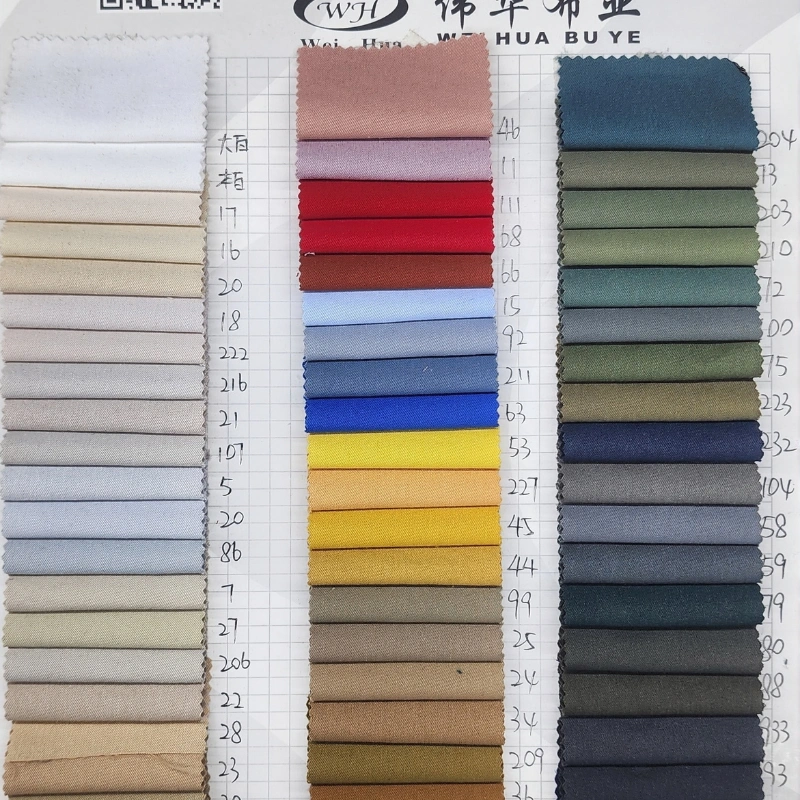
Mistake 7: Letting Price Drive Every Fabric Decision
Cost management matters. In a startup apparel brand with limited capital, the temptation to reduce per-unit cost by going slightly cheaper on fabric is understandable.
But fabric is the single highest-impact variable in the customer’s experience of your product. It’s what they feel when they put it on. It’s what they notice when they wear it for a full day. It’s what determines whether they tell a friend or write a disappointed review.
Saving $0.40 per unit on fabric to land at a lower COGS is a rational calculation that frequently produces an irrational outcome: a product that your customers don’t love, don’t repurchase, and don’t recommend. The saving disappears in higher return rates, lower repeat purchase, and slower word-of-mouth growth.
This doesn’t mean you need the most expensive fabric available. It means the fabric decision should be driven first by quality suitability for the product and the price point you’re selling at, and second by cost management — not the other way around.
What to do instead: Decide what quality standard your product needs to meet based on your retail price and brand positioning. Source fabric that meets that standard. Then look for cost efficiencies within that quality tier — better supplier relationships, higher volume commitments, simplified color runs — rather than trading down in quality.
Mistake 8: Ordering Different Fabric Than What Was Sampled
This one catches brands off guard precisely because it’s so easy to assume it won’t happen.
A sample gets made in Fabric A. The brand approves the sample. Production runs in Fabric B — a substituted material the factory sourced because Fabric A was out of stock, slightly more expensive at bulk volume, or simply unavailable in the needed quantity. The brand doesn’t find out until the finished goods arrive.
This substitution happens more often than most brands expect, especially when fabric specifications in the tech pack are vague or when the brand hasn’t confirmed in writing that the exact sampled fabric must be used for bulk.
What to do instead: Specify the exact fabric in your tech pack — supplier, fabric code or reference number, fiber content, GSM, and any finishing specifications. Confirm in writing with your factory that production will use the same fabric as the approved sample. Request a bulk fabric swatch for approval before production begins so you can verify the material before a single unit is cut.
Mistake 9: Neglecting Fabric for Labels, Trims, and Lining
While brands may understandably concentrate on their primary shell fabrics, the other fabrics which complete the garment — the lining, interlining, labels, and trims — can be even more significant to the end result than a founder initially expects.
The irritation of a scratchy woven label against the back of the wearer’s neck is one of those little details noticed each time the item is worn. The use of a cheap slip of lining in a structure jacket renders the whole garment cheap no matter how high-end the shell fabric used may be. An interlining which is too stiff affects the fall of the entire front panel of a jacket. This all adds up to form the wearer’s impression of quality.
Woven labels in particular merit special attention. While satin labels are cheaper, they are often scratchy on the skin. Woven labels or printed labels provide a nicer touch for only slightly more money.
What to do instead:
Take as much care in selecting secondary fabrics as the main one. Pay attention to lining fabric type and weight. Specify label type. Examine all trims physically in a sample first.
Mistake 10: Not Building a Fabric Specification Into Your Long-Term Brand Standards
Early-stage brands often make fabric decisions on a style-by-style basis without building a broader fabric philosophy. The result, over time, is a product range with inconsistent quality, feel, and customer expectations — a heavyweight hoodie next to a thin one, a soft T-shirt next to a scratchy one, all sitting under the same brand name.
The brands that build lasting product equity define their fabric standards early and maintain them consistently. They know what GSM range their knitwear sits in. They know their preferred cotton specification for basics. They have a defined handle-feel they aim for across the line. These aren’t rigid rules — they’re benchmarks that create a consistent customer experience and make sourcing decisions faster and more reliable over time.
What to do instead: After your first two or three production runs, document the fabric specifications for the styles your customers respond to most. Use those as the baseline for future sourcing. Over time, this becomes your brand’s internal fabric standard — a practical tool that makes every subsequent production decision faster and better-informed.
Working with My Apparel Manufacturer
Fabric sourcing is one of the areas where working with an experienced manufacturing partner makes the biggest practical difference for new brands.
At My Apparel Manufacturer, we work with clothing brands across the USA, UK, Europe, and Australia to source appropriate fabrics for their product categories — with access to quality fabric suppliers and the technical knowledge to match material specification to design intent. From T-shirts and hoodies to activewear, swimwear, and outerwear, we guide brands through fabric selection as part of our broader sampling and production service.

If you’re developing a new product and want guidance on fabric selection before you commit to production, get in touch. Getting this right at the start is the most cost-effective thing you can do.
FAQs