

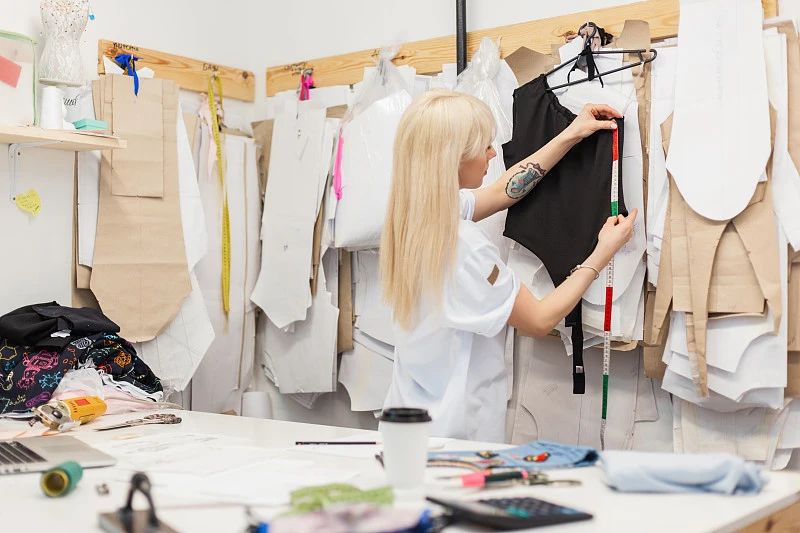
Turn your fashion ideas into reality. Design your own clothing line with expert tips on fabric selection, tech packs, sampling, and production.
Creating a successful clothing line isn’t just about trendy concepts and creative sketches. To be successful, a fashion brand needs to have a clear vision, careful planning, and a design strategy that is both creative and feasible for production. When you’re ready to fire up your first range or go full-time with your fashion concept, knowing how to do each element will save you time, money, and even some large mistakes.
Here we will guide you to learn how to design your own clothing line from the ground up. We’ll cover everything from brand planning to design, sampling and production. From creating your own clothing line to producing just one collection, it is vital to understand the full design process.
How to Start Your Own Clothing Line with a Clear Vision
When creating a line of clothing, you must have a vision before you start sketching your first design or choosing your fabric. Your vision is the foundation of your fashion line and will help you make design and production decisions. Even great-looking products can have trouble attracting the right customers if they lack it.
Define Your Brand Purpose
At the very start, reflect on the reasons why you’re establishing your clothing line. Are you looking to offer sustainable fashion, quality streetwear, affordable basics or performance wear? From product design to the choice of fabric to marketing and pricing, it influences all decisions made. If you want to create a brand that makes a difference in an over saturated market, you must have a clear purpose.
Identify Your Target Market
The product may not be aimed at the intended target audience if the designer is not aware of the audience. Knowing your target audience will help you create products that they will buy.
Define Your Unique Selling Point (USP)
The fashion industry is a competitive one, and your fashion line should have something special. It might be high quality materials, eco-friendly manufacturing, personalized sizing, groundbreaking designs or exclusive lines. When you clearly define the difference of your brand, you can communicate with the right customers and build loyalty.
1. Research Your Market Before You Design
A great design for clothes is not just a random concept, they’re backed by solid market research. Take the time to do some research into your industry, your competitors and your audience before wasting a lot of time and money on your collection. This will enable you to create products that people want and not designs that you think they want.
Study Your Competitors
Look up some clothing vendors that cater to a similar audience or niche as you do. Examine their product assortments, pricing strategies, brand imagery, top-selling products, customer reviews, and marketing strategies. It’s not about replicating their ideas, it’s about finding what works, what doesn’t and what you can do better or differently.
Find Market Gaps
All successful brands of clothing have a problem that it addresses or a gap that it fills. Find opportunities that the competition is not looking for, such as addressing unmet customer segments, new styles, better fabric or sustainable materials, or other sizing options. Filling market gaps helps your clothing line stand out and attract the right customers.
Understand Customer Pain Points
Customer Feed-back is one of the most powerful Research tools. Explore customer feedback on competitor websites, marketplaces, and social media. It can lead to improved product design, if a poor fit, uncomfortable fabrics, limited sizes and low durability is common, give your product a competitive edge.
Balance Fashion Trends with Timeless Designs
Short-term sales can be enhanced by fashion trends, but they are fleeting. Evergreen products, however, offer long-term value and consistencies in demand. The ideal way is a combination of both, with some more classic things and some more trendy to make your brand relevant and interesting.

2. Know Your Ideal Customer
Define Their Age Group
First of all, understand the age group that you are targeting. The fashion preferences, finances and expectations for fashion are different from generation to generation. Young people may favor designs that are in vogue, while adults looking for more professional and functional options may choose durable and practical pieces.
Understand Their Lifestyle
Think about your customers’ lifestyles, and where they will hang up the clothes. Are they as fond of fitness, the quickest method to function, school, traveling or street style? When you create pieces suitable for their day-to-day life, your clothes will be more functional and appealing.
Consider Their Budget
Understand your customers’ purchasing journey for clothing. Some customers shop for quality and durability, others by trends, social media or seasonal collections. Select fabrics and manufacturing techniques that align with your customers’ price range and expectations.
Analyze Their Buying Behavior
Learn what your customers want and need by looking into how they’re getting their clothes. Many people like to buy products that are durable and high-quality, while there are also those who like to follow the trends. It’s essential to know what your consumers value to ensure that your company is offering what they’re looking for and doing so in a way that they’ll want to buy it.
Learn Their Fashion Preferences
Each audience has their own sense of style. Write down colors, fit, fabrics and clothing styles that your customers like. Understanding your customers’ fashion preferences helps you create products they’ll want to buy.
3. Plan Your First Clothing Collection
Choose Your Hero Products
Hero products are the standout pieces that define your brand.
Add Core Products
Core products are products that are evergreen and can be used all year round. These pieces are always selling and will complement your hero products. This can include common T-shirts, sweatshirts, joggers or everyday t-shirts that customers may end up wearing every day.
Include Supporting Pieces
The supporting pieces round off the look of your collection and can be used to lure customers to buy several products at once. An accessory, coordinating bottoms, layers or complementary styles add versatility to the collection and boosts the average order value.
Decide on Your Collection Size
You don’t have to have dozens of designs for your first collection. It’s best to get a start with 8-15 well planned products rather than overwhelming your brand.
Plan for the Right Season
Plan your collection for the season that you will be selling. Lightweight fabrics and breathable cuts are designed for spring and summer, whereas fleece, French terry and heavier fabrics are perfect for fall and winter. Seasonal planning also enables you to plan productions and product launches better.
4. Create a Mood Board and Design Inspiration
Explore Pinterest and Other Inspiration Sources
Resources like Pinterest, fashion magazines, runway looks and street style photos can be great sources of inspiration. Save images you want to be inspired by, but don’t copy and paste.
Select Your Color Palette
Pick a small number of colours that complement your brand and fit together. Using a uniform color scheme helps to establish a brand identity and helps customers easily coordinate different items from your line.
Gather Fabric Inspiration
The fabric could affect the appearance and performance of your clothes. Add samples or references of materials that reflect your vision, from heavyweight cotton to French terry, fleece, linen, recycled materials or anything in between.
Define Your Silhouettes
Choose the general silhouette and proportions of clothing items. Slim, relaxed, cropped, athletic or oversized fits should be in line with the preferences of the audience that you intend to target and should be consistent throughout the collection.
Establish Your Brand Aesthetic
Your mood board should be a reflection of the persona of your clothing brand. Pay attention to typography, graphics, textures, trims, logos and visual themes to help maintain a concise and memorable brand image.
5. Sketch Your Clothing Designs
Start with Hand Sketches
Hand sketches are an effective way to brainstorm ideas when creating a design. Don’t worry, this isn’t an art class. It’s about simple drawings to help you get a sense of what the garments are going to look like, what the design is going to be, and what the construction is going to be.
Create Digital Sketches
Digital design software offers more accuracy and flexibility when you’re making your ideas more precise. You can learn how to make professional fashion sketches, add colors and work out technical designs using programs such as Adobe Illustrator, Procreate and CLO 3D.
Use AI-Assisted Design Tools
AI can streamline the creative process by brainstorming design ideas and proposing color palettes, visualizing garment concepts. Although AI can be a great source of inspiration, it’s important to review and edit its work to ensure your final designs are aligned with your brand and production capabilities.
6. Choose the Right Fabrics and Trims
Materials are as important as design in your clothes line. Fabric and trims influence comfort, durability, look and costs of production. Choosing these elements wisely will make your clothes look and feel amazing, as well as perform their function and meet your customer’s needs.
Cotton
Cotton is one of the most popular fabrics used in clothes since it is soft, breathable and comfortable to wear. Great to wear on T-Shirts, casual wear, everyday clothes, etc. If you’re looking to position your brand as natural, you might also want to consider organic or combed cotton, which offers enhanced quality and sustainability.
French Terry
French terry knit fabric is versatile, having a smooth surface and a soft knit inside. It offers the perfect balance between comfort and warmth, making it ideal for hoodies, sweatshirts, joggers, and lightweight activewear. Great for spring and fall seasons.
Fleece
Fleece is recognized for its softness and warmth, which is why it’s a popular fabric for clothes and outerwear during the winter months. Fleece offers great insulation and is very soft, making it ideal for anything from hoodies, jackets and sweatpants. It’s available in different weights to suit various climates and product styles.
Polyester
Polyester is valued for its durability, wrinkle resistance, and moisture-wicking properties. It’s commonly blended with cotton to improve strength and reduce shrinkage. This fabric works well for sportswear, performance apparel, uniforms, and garments that require long-lasting performance.
Labels
Labels go beyond just being a legal requirement; they are a part of your brand identity. Whether the customer is looking for product information or a brand that resonates with them, woven labels, printed labels, care labels and size tags all help to create a professional look and enhance the brand’s presence.
Buttons
Buttons should look good and be suitable for the design and the purpose of the clothes. Take into account the quality of material, size, color and durability of the items so that they complement the clothing style and are capable of being worn and washed regularly.
Zippers
A garment’s appearance and function are enhanced by the right zipper. Invest in quality zippers that are smooth, durable and appropriate for the garment you’re making whether it’s a hoodie, jacket or pants.
Choose the Right Printing Method
The printing technique can affect the appearance and durability of your designs. Commonly used methods for printing designs onto T-shirts include screen printing, DTG printing, embroidery, and heat transfer printing. Choose the most appropriate method for your design, budget and production needs.
7. Build a Professional Tech Pack
After finalizing a clothing design, the next step is to put together a professional tech pack. A tech pack is similar to a blueprint of your garment. It gives manufacturers the technical information they have to make your work as accurately as possible, avoiding mistakes, expensive changes and delays.
Add Technical Sketches
Provide adequate technical sketches on front, back and sides of the design that demonstrate each element of design. These illustrations should show pockets, collars, cuffs, seams, closures and trims, and provide the manufacturers with a full visual reference of the garment.
Include Accurate Measurements
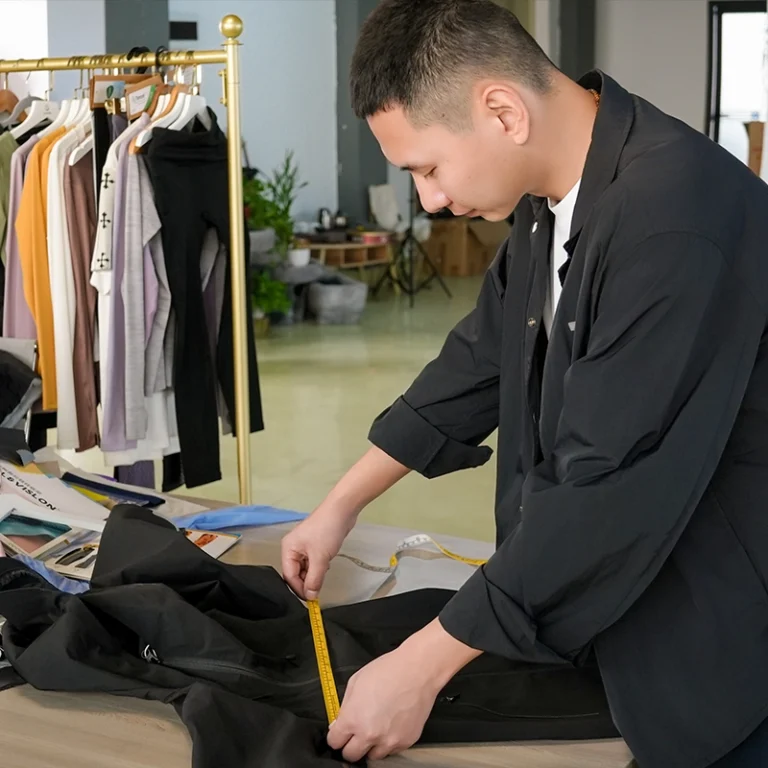
A detailed measurement chart of every garment should be provided with dimensions for each size of the garment. Provide body measurements, garment measurements, sizing tolerances, and grading rules to maintain uniformity in the production process and reduce fitting problems.
Create a Bill of Materials (BOM)
A Bill of Materials (BOM) provides a breakdown of all the materials and parts needed to put the garment together. This comprises fabrics, trim, linings, threads, labels, buttons, zippers, drawcords and elastic, packaging materials and any other trims. A full BOM enables manufacturers to identify the right materials and makes production tidy.
Specify Stitching Details
Explain the stitching specifications for each section of a garment. Discuss stitch types, seam construction, thread colour, stitch density, and reinforcement points (as appropriate). This information is important to keep to ensure that the product is produced correctly and each garment is made in line with your design specifications.
Mark Branding Placement
Your tech pack is supposed to be clear on where all your branding goes! Specify location and size of logos, woven labels, printed graphics, embroidery, neck labels, hang tags, and care labels. That will avoid any inconsistencies and maintain a professional brand look throughout your collection.
Add Packaging Instructions
Don’t underestimate the packaging needs. Outline the folding, packing, labeling and shipping of each garment. Include information on poly bags, barcode stickers, hang tags, carton labelling and shipping instructions. Clear packaging guidelines can help guarantee the product reaches the retail stores ready to sell and deliver a uniform customer experience.
8. Develop Samples and Test Your Designs
Create the First Sample
The first sample is a physical version of your design. It allows you to see how the garment is made, the type of fabric used, the stitching, and a general look at the garment. Don’t think that it is going to be flawless, but that it’s going to show you where it can be done better before production starts.
Produce a Fit Sample
A fit sample is based on the garment’s fit on the intended wearer. Test for comfort, size, proportions and mobility within your target sizes. Changes at this point ensure that the collection fits all sizes and make it more satisfying to wear after it goes into production.
Conduct Wear Testing
Wear testing is based on the ability of the garment to withstand routine wear. Test for comfort, durability, colorfastness, shrinkage, seam strength and fabric performance after repeated washing and regular wear. The information gathered is used to help you ensure that your products are of high quality and offer a great customer experience.
Revise and Approve the Sample
Apply feedback from sampling and testing to improve design. Modify measurements, stitch up information, or trims or fabric if required; make a new sample if necessary. After all details are verified to be up to your standards, approve the final sample before beginning bulk production.
9. Calculate Production Costs Before Manufacturing
Before you start manufacturing, it’s important to understand the total cost of producing your clothing line. Many startups just concentrate on designing something that looks good and forget about the real cost of making one of the garments. When you’re putting your money where your mouth is, you can sell your products at a competitive price yet still make a profit.
Calculate Fabric Costs
The cost of fabric is typically the most significant production expense. The total costs will vary based on the types of fabric, GSM, fabric composition, supplier, and the quantity needed for each garment. Selecting the appropriate fabric involves matching quality, performance, and budget, whilst also maintaining your brand standards.
Estimate Labor Costs
Labour cost is applicable to cutting, sewing, finishing, pressing and quality checking of the garments. The expenses are dependent on the complexity of the garment, the manufacturing process and where it was made. If you have knowledge about the cost of labour, you can prepare your budget more accurately.
Include Trims and Accessories
Remember to factor in trims like labels, buttons, zippers, drawstrings, elastic, patches and hang tags. These may be only small costs per item but amount to a substantial cost to the production when produced in large numbers.
Factor in Packaging Costs
Professional packaging helps you to build your brand reputation and keep your products safe while they are in transit. Costs for poly bags, branded boxes, tissue paper, stickers, care cards, barcode labels, shipping cartons should be taken into consideration in the overall production budget.
Consider Shipping and Logistics
But the costs of production don’t stop once the clothes have come out of the factory. Calculate all the costs associated with the movement of goods, such as freight, customs duties, import taxes, warehousing and local delivery. Taking logistics into account during the initial stages helps to prevent any potential for surprises and to ensure the pricing is accurate.
Set a Healthy Profit Margin
Once you have worked out all of your production costs, you will need to decide on a profit margin that will allow for business expansion and still be competitive in the market. Your end-user price needs to be enough to cover your manufacturing, operating, marketing and future investment costs and your clothing brand will grow steadily in the future.
10. Find the Right Clothing Manufacturer
One of the most crucial decisions you are to make when making your clothing line is to find the right clothing manufacturer. Even the best of the designs can fall apart if they are made by an inexperienced manufacturer.
Check the Minimum Order Quantity (MOQ)
Every manufacturer has a minimum order quantity (MOQ), which is the smallest number of garments they’ll produce per order. If you’re launching a new brand, look for a manufacturer that offers flexible MOQs. This allows you to test your collection without investing in excessive inventory.
Evaluate Communication
Throughout the manufacturing process, it is crucial that a person is communicating effectively. Select a manufacturer who is quick to respond, able to answer your questions, keeps you updated on production and is honest about time frames and issues. Effective communication minimises misunderstandings and ensures your project stays on track.
Verify Certifications
A reliable manufacturer will adhere to accepted quality and ethical standards. Check for responsible manufacturing, quality control and environmental or social compliance statements like GOTS, Textile Exchange or Sedex. These certifications can also enhance your brand’s credibility in the worldwide market.
Assess Production CapacityTextile exchange
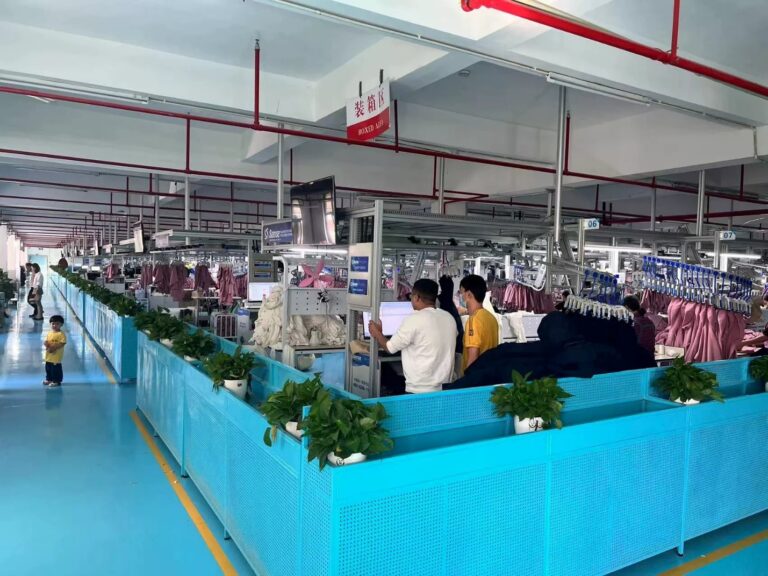
Clothing manufacturers should be able to grow with your clothing brand as it expands. Assess their production capacity, equipment available, skilled workforce, and capacity to process the orders of increased volume without affecting the quality or delivery timelines.
Review Quality Control Processes
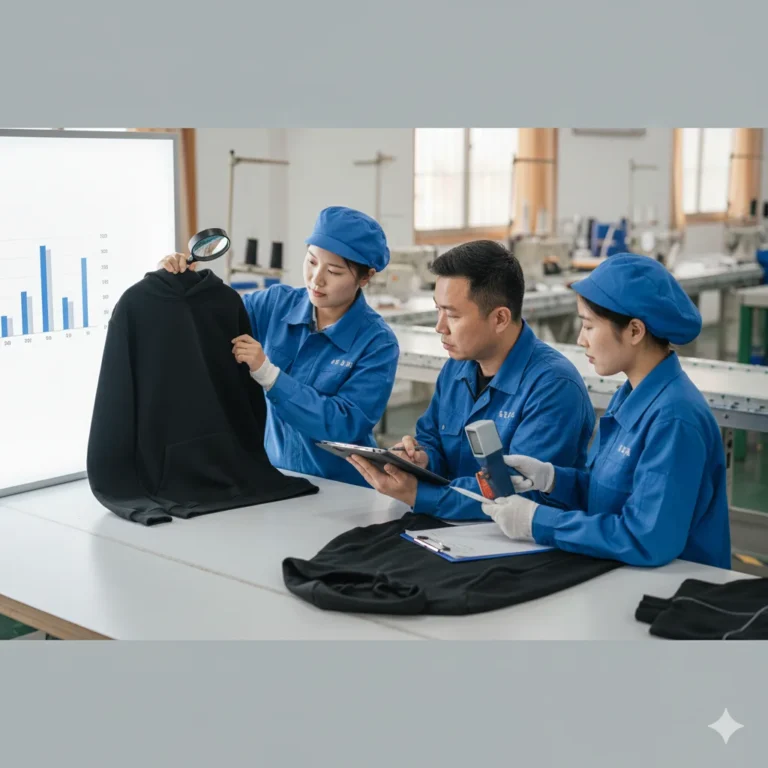
Consistent quality is critical for customer satisfaction and brand reputation. Ask how the manufacturer inspects garments during production, manages defects, and performs final quality checks before shipping. A strong quality control system helps ensure every product meets your specifications.
Understand Lead Times
Lead time is the total time needed for production and delivery of your order. Discuss sampling timelines, production schedules, shipping dates and potential delays prior to ordering. There’s nothing worse than waiting months for a manufacturer to deliver when you need your products ready for launch or marketing campaigns.

11. Prepare for Bulk Production
Complete Final Approvals
Before production begins, review and approve every detail of your garment. Confirm the final sample, fabric selection, colors, trims, measurements, branding, packaging, and tech pack specifications. Any changes made after production starts can increase costs and delay delivery.
Create a Production Timeline
Develop a realistic production schedule that covers material sourcing, cutting, sewing, quality checks, packaging, and shipping. A well-planned timeline keeps every stage organized and helps ensure your collection launches on time.
Perform Quality Inspections
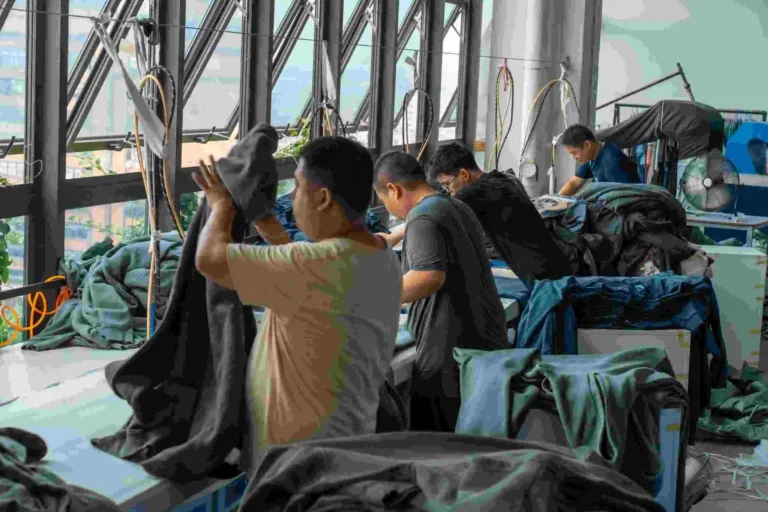
Quality control shouldn’t only happen at the end of production. Inspect garments throughout the manufacturing process to identify and correct issues before they become larger problems. Final inspections should verify sizing, stitching, fabric quality, branding, and overall workmanship before products are packed.
Prepare Product Packaging
Packaging is the final touch that shapes your customers’ first impression of your brand. Make sure every garment is folded correctly, packed securely, labeled accurately, and includes all required items such as hang tags, care labels, barcode stickers, or branded packaging materials.
Plan Shipping and Delivery
Choose a reliable shipping method that matches your budget and delivery timeline. Whether you’re shipping domestically or internationally, plan for customs clearance, tracking, insurance, and delivery schedules. Proper logistics planning helps your products arrive safely and keeps your customers satisfied.
Common Mistakes When You Design Your Own Clothing Line
Designing a clothing line is an exciting process, but many first-time entrepreneurs make avoidable mistakes that lead to higher costs, production delays, and disappointing products. Understanding these common pitfalls can help you make better decisions and build a stronger, more successful brand from the start.
Designing Too Many Styles
Launching with too many products can quickly overwhelm your budget and complicate production. Instead of creating a large collection, focus on a small number of well-designed pieces that represent your brand and allow you to test customer demand before expanding.
Ignoring Production Limitations
Not every design idea is practical or cost-effective to manufacture. Complex construction, specialty fabrics, or unique trims may increase production costs and lead times. Always consider manufacturing feasibility while developing your designs.
Creating Weak Tech Packs
An incomplete or unclear tech pack often results in production errors and repeated sample revisions. Every tech pack should include detailed measurements, technical sketches, materials, trims, stitching instructions, and branding specifications to ensure manufacturers understand your requirements.
Choosing Fabrics Too Early
Choosing fabrics before completing the garment design can restrict the choice of different fabrics and cause problems in making the garment. Make a design concept first, then select the fabrics appropriate to the garment’s style, function and the customer experience.
Copying Competitors
Taking inspiration from successful brands is normal, but copying their designs can damage your brand identity and create legal concerns. Focus on developing original products that reflect your unique vision and provide value to your target audience.
Ignoring Production Costs
Many new clothing brands underestimate the total cost of manufacturing. Beyond fabrics and labor, you must also consider trims, packaging, shipping, marketing, and operating expenses. Calculating your full production costs early helps you set profitable prices and build a sustainable business.
Expert Tips for First-Time Clothing Brand Owners
Starting a clothing brand can be challenging, especially if it’s your first collection. These expert tips will help you avoid common mistakes, make smarter decisions, and build your brand with confidence.
1. Start with a Small Collection
Launch a few well-designed products instead of too many styles. This helps reduce costs and lets you test customer demand before expanding.
2. Focus on Product Quality
Use high-quality fabrics, accurate sizing, and durable construction to create products your customers can trust.
3. Choose the Right Manufacturing Partner
Work with a manufacturer that offers clear communication, flexible MOQs, and consistent quality control to avoid production issues.
4. Test Before Bulk Production
Never skip sampling or wear testing. Fixing problems before mass production saves both time and money.
5. Build Your Brand Gradually
Don’t expect instant success. Use customer feedback to improve each collection and grow your brand step by step.
Design Your Own Clothing Line Checklist
Before moving into production, use this checklist to make sure every important step has been completed.
- Define your brand vision and target audience.
- Research competitors and identify market opportunities.
- Plan your first clothing collection.
- Create a mood board and finalize your designs.
- Select suitable fabrics and trims.
- Prepare a complete tech pack.
- Develop and approve production samples.
- Calculate total production costs.
- Choose a reliable clothing manufacturer.
- Review quality standards and production timelines.
- Finalize packaging and shipping requirements.
- Approve every detail before bulk production begins.
Conclusion
Creating a successful clothing line requires more than just creative concepts. Planning and smart decisions are required at every stage of it. Every stage from brand planning to fabric selection, from tech packs to sampling to making: each one is a step towards success.
By following a structured process, errors can be minimized, production costs can be controlled and product quality can be enhanced. It also equips you to create your style brand with assurance.
To develop an own clothing line, prioritize quality, maintain a consistent brand identity and collaborate with professional manufacturers. These steps will assist you to launch your products to the market and develop a brand successfully.
Ready to Launch Your Clothing Line?
Turn your clothing ideas into high-quality products with a trusted apparel manufacturing partner. From fabric sourcing and tech packs to sampling and bulk production, we’re here to help you bring your brand to market with confidence.