
The most common method of manufacturing clothing is cut and sew. Fabric is made first and then cut into pattern pieces and joined together into a garment. As all pattern pieces, fabric and details are selected by the brand, cut and sew offers much greater control over fit, style and quality than do ready-made pattern pieces. This guide covers what cut and sew is, provides a step by step explanation of how to do it, and contrasts it with other manufacturing processes that are available and what to look for in a cut and sew manufacturer.
What Does “Cut and Sew” Mean?
The term cut and sew in the garment industry refers to the process of cutting fabric and sewing it together to create a garment after it has been knitted or woven. The factory cuts the fabric into different pattern pieces (front, back, sleeves, collar, pockets and so on) and joins them together.
It’s unlike two other strategies:
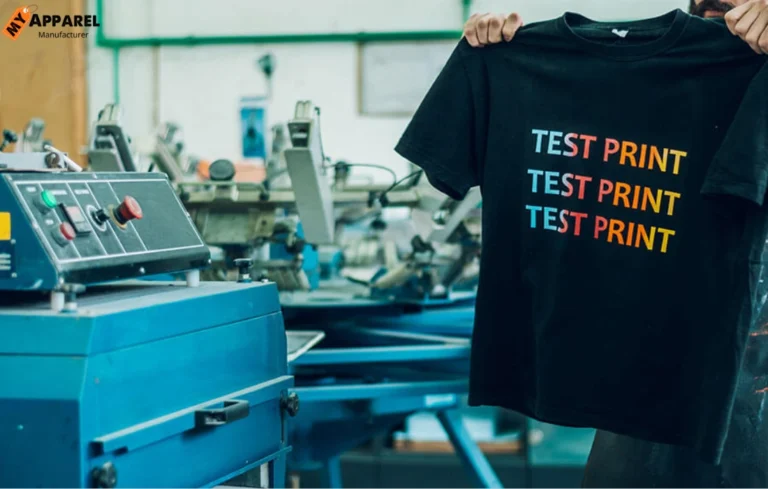
Knit-to-shape (fully fashioned) garments are knitted directly to shape on a flat-knitting machine, and require little or no cutting. Blank is ready-made clothes purchased by a brand and adorned with printing or embroidery. There is no control over the cut or construction of the brand.
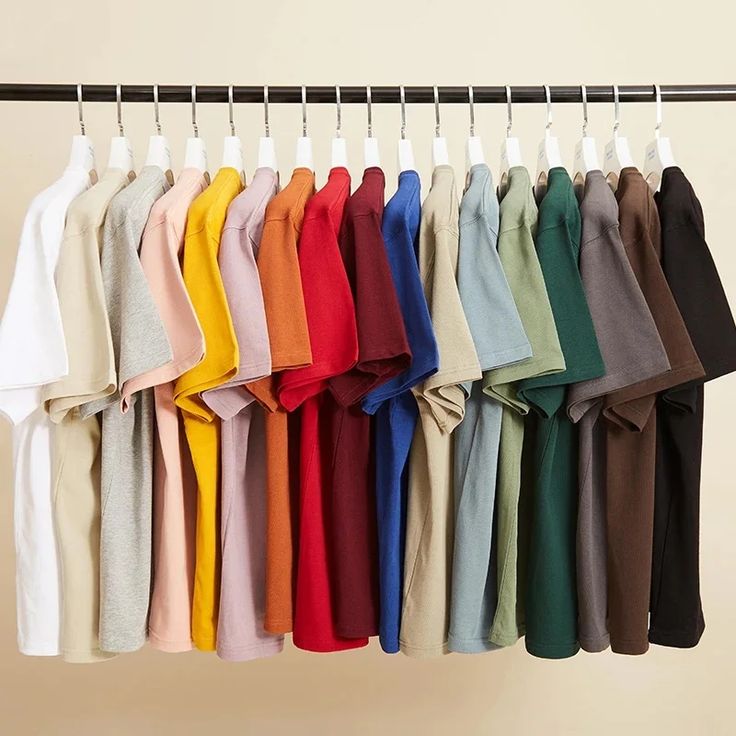
Most T-shirts, hoodies, jeans, jackets, dresses, activewear and swimwear and bras are cut and sewn, as they rely on pattern shape, fabric selection and fit.
Step-by-Step Cut- and- Sew Process
Here is how cut and sew production works from start to finish.
1. Design & Pattern Making
It begins with a sketch or tech pack: flat drawings, measurements, fabric specifications, trims and construction notes. Then, pattern makers convert this into paper or CAD patterns, and grade them into each size within the size range. Before anything is approved for production, a first sample is sewn to ensure it fits and looks good.
2. Fabric Selection & Preparing
The fabric is chosen to match the product, for example jersey for T-shirts, fleece for hoodies, denim for jeans or stretch fabric for activewear. Fabric is inspected for defects and color when it comes into the store. Knit fabrics have the tendency to relax prior to cutting to become less shrunk due to sewing. On the cutting table the fabric is then spread in layers.
3. Cutting
A marker (cutting layout) is used to lay the pattern pieces out on the fabric to minimize the amount of fabric used. The layers are then manual cut, or cut using band knives and/or automatic cutting machines. Each piece is cut according to the pattern – front, back, sleeves, collars, pockets and panels.
4. Sorting & Bundling
Pieces of clothes are cut into sections numbered, sorted by size and color and then bundled. To prevent slight color differences in one garment, pieces of a single layer of fabric are kept together.
5. Sewing
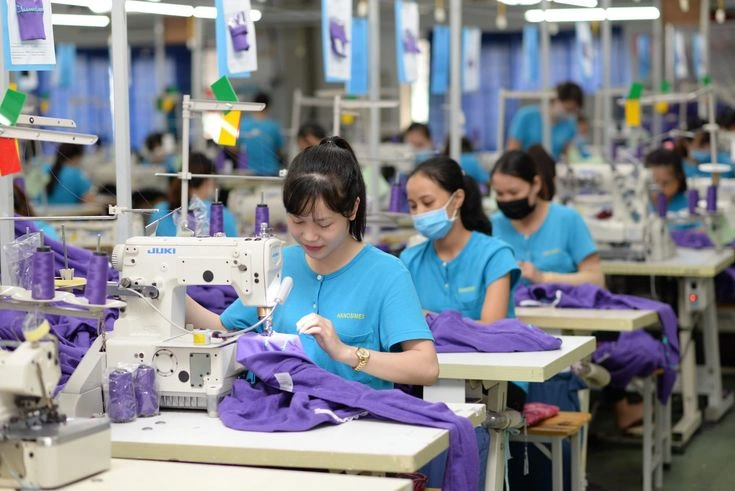
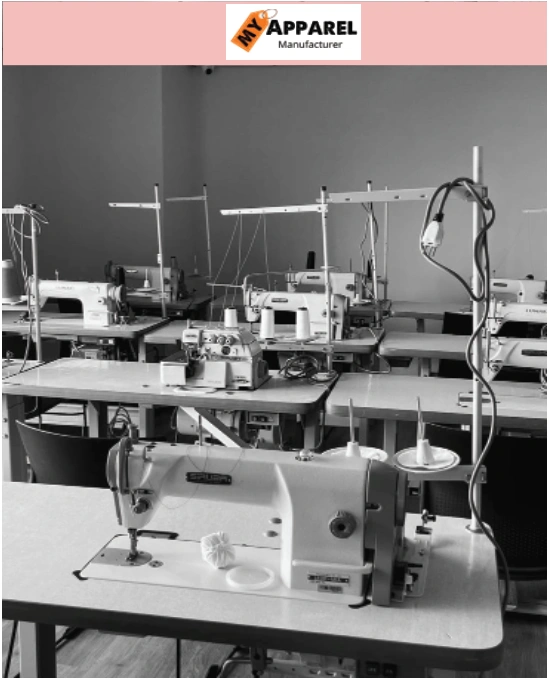
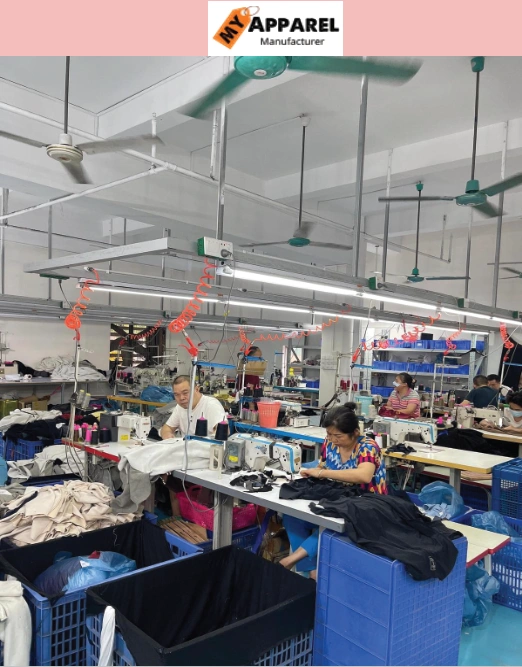
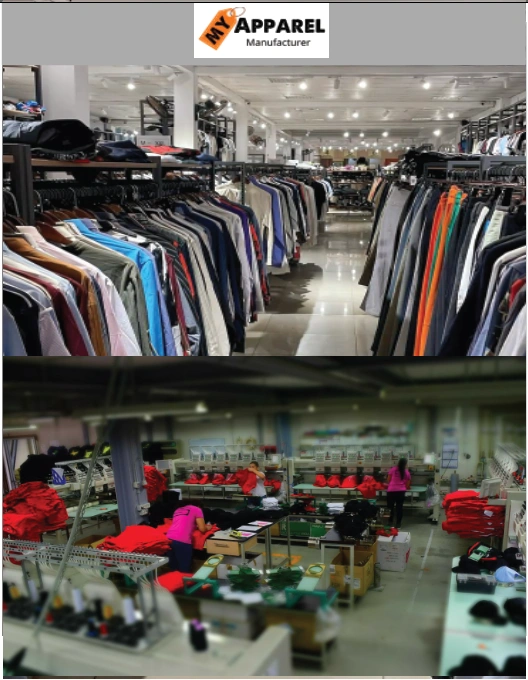
The sewing operators join the bundles together on a production line. There are various types of machines, and each type of machine is used for a different purpose: lockstitch machines for simple seams, overlock machines for edges and knits, coverstitch and flatlock machines for hems and seams for activewear, and buttonhole machines for plackets. Each operator performs a section of the garment and the sections are pushed down the line until the garment is finished.
6. Quality Control
Quality checks occur as the sewing operations proceed and at the termination. Inspectors examine Fabric Defects and Trims, Alignment, Stitching, Strength of Seam and Measurement. Most factories adopt AQL sampling standard for the last inspection. Confirm the inspection standard we use.
8. Packaging
Packing is completed with folding, bagging, boxing, labelling in accordance with your packaging needs. Check out our custom apparel packaging for hang tags, branded packaging and poly bags.
Why Choose Cut- And Sew?
Full Design Flexibility
It’s up to you to choose the fabric, pattern, fit, panels, trims and decoration. When shape and detail is the key to product, cut and sew are the correct method for hoodies, jeans, swimwear and bras.
Better Quality Control
If cutting and sewing are done simultaneously, mistakes will be more easily identified and corrected. Pattern, fabric and sewing issues can be resolved from the source, ensuring consistency of results, from sample to bulk production.
Perfect for Small-Batch Clothing Brands
It’s not necessary to have a huge number of volumes to begin. A factory that has low minimums allows a new brand to test styles, and build on them as they sell. See the questions on MOQ below.
Global Fabric Sourcing
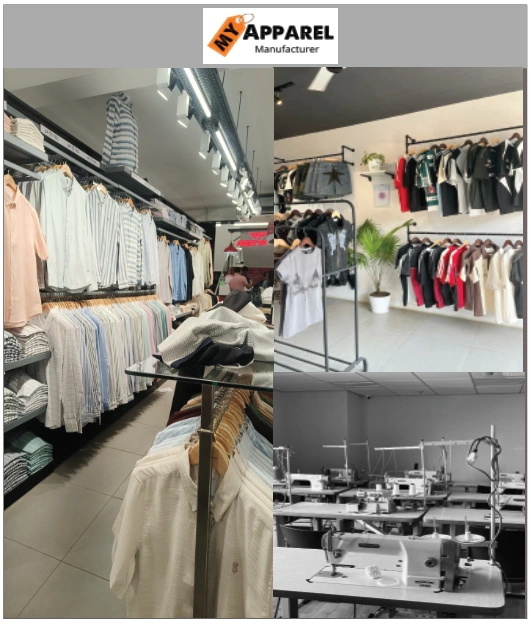
Brands can select a cloth from the factory’s own collection or provide their own. It enables the addition of brand-specific colours, thickness and finish.
Garments Commonly Made by Cut and Sew
- T-shirts and hoodies: fits, necklines and sleeve shapes can be customized. See T-shirt manufacturer.
- Jeans and denim: pattern shape and washing define the look.
- Activewear: stretch fabrics, flatlock seams and paneling. See activewear manufacturer.
- Swimwear: specialized fabrics and precise sewing for fit and stretch.
- Bras and lingerie: cups, linings and reinforced seams.
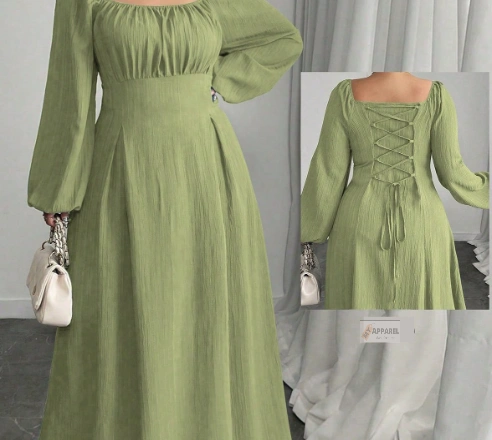
- Jackets and dresses: structured patterns, linings and closures. See jacket manufacturer.
Choosing the Right Cut and Sew Manufacturer
When looking for a cut and sew partner, consider:
- Location & Specialty
- Do you need activewear fabrics, quilting, or swimwear materials?
- Are local MOQ or customs key for your brand?
- Quality Standards
- Ask for samples for stitching, foam inserts (bras), and press finishes.
- Minimum Quantities
- Some studios offer 50–100 unit batches; others require larger loads. For example, certain Bali swimwear facilities may specialize in mid-size volumes.
- Technology Use
- Do they use auto-cut machines? CAD-designed patterns?
- Cost & Lead Time
- Cutting and sewing manually may cost more but offer better control and quality.
- Quick sampling: 1–2 weeks; mass production: 4–8 weeks depending on complexity.
Cut and Sew vs. Fully Fashioned/Blank Production
| Aspect | Cut & Sew | Fully Fashioned / Blanks |
| Design Freedom | High – custom panels and styles | Low – pre-sewn fabric pieces |
| Cost per Unit | Higher for small batches | Lower for large volumes |
| Quality Control | Full oversight in your facility | Opaque—fabric pre-made by others |
| MOQ Flexibility | Studio-level flexibility available | Large batch MOQ typically required |
Tips for Brands Using Cut and Sew
- Use Templates and Markers
Cut and sew manufacturers often create layout markers to maximize fabric usage and reduce waste. - Plan for Trims & Finishing
You may need to supply buttons, labels, foam lining, or special fabrics (like quilted panels). - Request Pre/Post-Cut Samples
Review fabric swatches and mini-cut samples before full cut run. - Invest in Quality Control
Hire QC during final sewing or press steps to catch seam flaws or miscuts. - Scale With Confidence
Many studios offer modular growth: “cut & sew near me” can evolve into larger factory production.
Final Thoughts
Cut and sew allows brands the freedom to design the garments as they wish, select the fabrics and fits and maintain quality from sample to bulk orders. Knowing the process makes it easier to write your specifications, compare the manufacturers more thoroughly and make no mistakes that cost you money.
For a collection, please submit a sketch or tech pack, a reference garment and your desired quantity and delivery date to us on our quote form. For more information about our cut and sew manufacturing service and our private label clothing manufacturing, please visit them.