
Partner with a sweatpants manufacturer for custom styles, quality fabrics, private label production, and bulk orders for growing clothing brands worldwide.
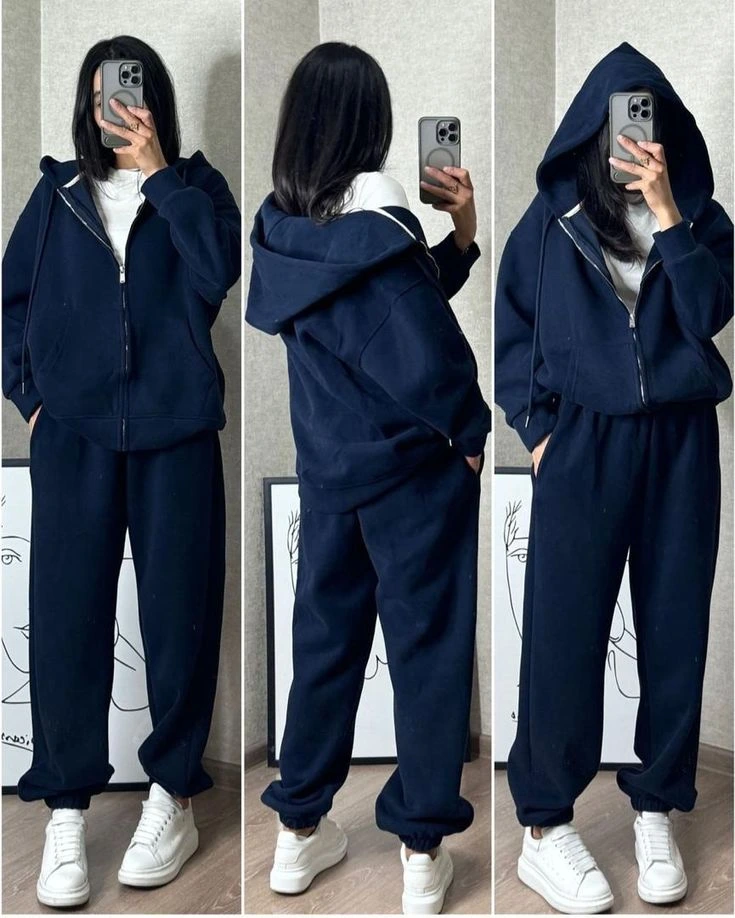
Sweatpants have moved beyond basic loungewear. They are now a major part of athleisure, streetwear, activewear, and everyday fashion collections. For clothing brands, the right sweatpants style can help create products for different seasons, customer groups, and price points.
Choosing the right Sweatpants Manufacturer is equally important. A reliable manufacturing partner can help with fabric sourcing, pattern development, sampling, customization, quality control, and bulk production. These capabilities allow brands to turn a basic sweatpants concept into a market-ready product.
My Apparel Manufacturer works with international clothing brands on OEM and ODM apparel production. Brands can develop custom fits, fabrics, colors, trims, prints, embroidery, labels, and packaging for private label collections.
This guide covers 17 sweatpants styles and explains the fabrics, features, and applications brands should consider when developing each type.
What Should Brands Look for in a Sweatpants Manufacturer?
Not every factory has the same production capabilities. Before selecting a manufacturing partner, brands should evaluate more than the quoted unit price.
A capable Sweatpants Manufacturer should be able to support several important stages of product development, including:
- Fabric sourcing and material recommendations
- Custom pattern development
- Sample production and revisions
- Custom colors, trims, and finishing
- Printing and embroidery
- Private label labels and packaging
- Bulk production and quality inspection
- Export support for international orders
Brands should also confirm minimum order quantities, sample timelines, production lead times, quality standards, and communication processes before placing a bulk order.
What Is the Best Fabric for Sweatpants?
Fabric selection affects the comfort, weight, appearance, durability, and retail positioning of sweatpants. The best option depends on the intended use and target season.
| Fabric | Best For | Main Features |
| Cotton Fleece | Winter and casualwear | Soft, warm, comfortable |
| French Terry | Athleisure and lifestyle | Breathable and lightweight |
| Cotton-Polyester Blend | Everyday collections | Durable and easy to maintain |
| Tech Fleece | Premium activewear | Structured, warm, and modern |
| Polyester-Spandex | Performance styles | Stretch and flexibility |
| Recycled Polyester | Sustainable collections | Suitable for recycled-fiber products |
| Sherpa/Plush | Winter loungewear | Heavy and highly insulating |
A manufacturer can also recommend fabric weight based on the design, climate, and intended market.
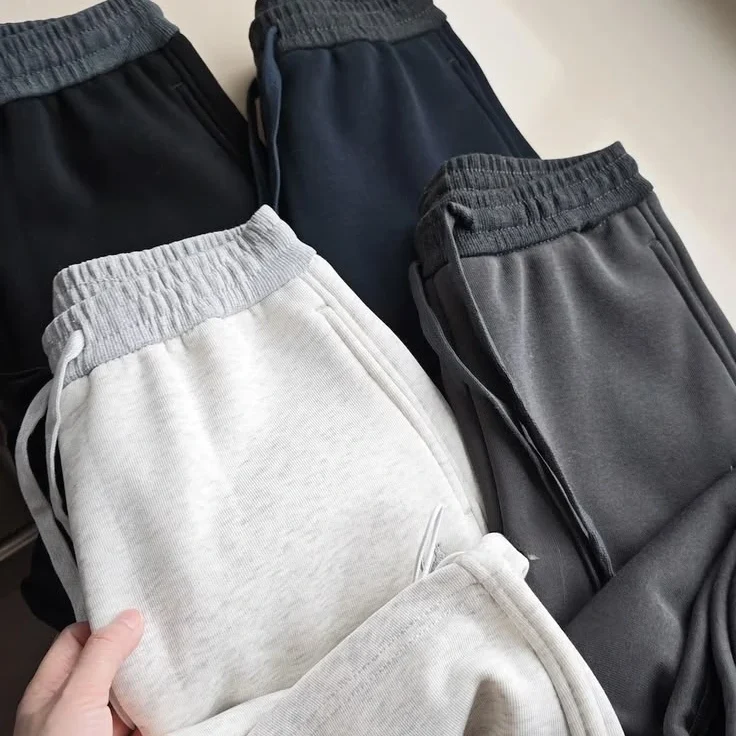
1. Classic Fleece Sweatpants
Classic fleece sweatpants remain a core product for casual and winter collections. Their brushed interior provides a soft and warm feel, while the outer surface offers a clean appearance.
Brands can develop them with elastic waistbands, drawcords, ribbed cuffs, side pockets, or back pockets. They can also be produced in different weights for lightweight transitional collections and heavier winter ranges.
For private label brands, fleece sweatpants are useful as basic products that can carry custom colors, logos, labels, and packaging.
2. French Terry Joggers
French Terry is lighter and more breathable than brushed fleece. Its looped interior makes it suitable for transitional weather, travel clothing, gymwear, and everyday athleisure.
A custom jogger manufacturer can develop French Terry joggers in slim, regular, tapered, or relaxed fits. Brands can also customize the waistband, pocket construction, drawcords, cuffs, and branding details.
French Terry works particularly well for collections that need comfort without the extra warmth of heavy fleece.
3. Tech-Fleece Pants
Tech-fleece pants offer a cleaner and more structured appearance than traditional sweatpants. They are commonly associated with modern sportswear and premium athleisure.
Brands can combine different panels, pockets, zippers, and tapered silhouettes to create a technical appearance. Fabric weight and stretch should be selected according to whether the pants are intended for casual use, travel, or activewear.
For premium collections, details such as bonded seams, molded trims, hidden pockets, and custom hardware can further change the overall appearance.
4. Seamless Knit Joggers
Seamless knit joggers are designed to reduce traditional garment seams while providing stretch and comfort. They are especially suitable for athleisure, yoga, and performance-inspired collections.
The knitting structure can be engineered to provide different levels of stretch and support across the garment. Brands considering this style should confirm that their manufacturing partner has the appropriate knitting and finishing capabilities.
Seamless construction can also create a modern appearance that works well with minimalist branding.
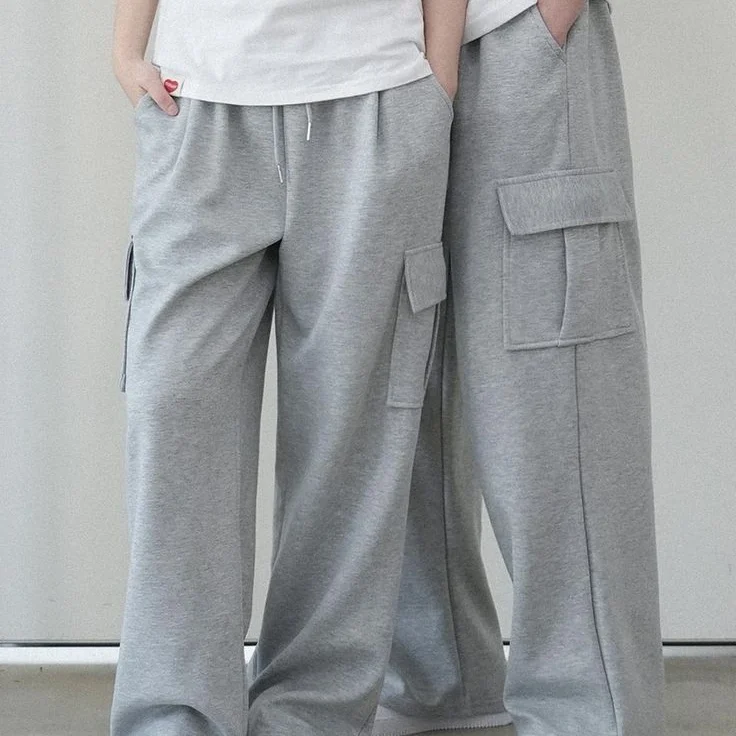
5. Cargo Sweatpants
Cargo sweatpants combine the comfort of sweatpants with the functionality of utility clothing. Multiple pockets give the style a strong streetwear and casualwear identity.
A custom cargo pants manufacturer can develop different pocket layouts, oversized silhouettes, cargo panels, drawcords, zippers, and hardware.
Brands can also experiment with heavyweight fleece, French Terry, cotton blends, and other fabrics depending on the desired structure.
Cargo sweatpants work well for:
- Streetwear collections
- Oversized apparel
- Utility-inspired fashion
- Men’s casualwear
- Unisex collections
6. Tricot Track Pants
Tricot track pants have a smooth surface and sporty appearance. The fabric is commonly associated with tracksuits and retro-inspired sportswear.
Brands can use contrast piping, side stripes, embroidered logos, zip pockets, and elastic cuffs to create different looks.
For retro collections, wider silhouettes and contrast details can create a vintage sportswear aesthetic. Modern brands can instead use minimal branding and streamlined fits.
7. Tear-Away Warm-Up Pants
Tear-away pants feature snap fasteners along the sides, allowing the garment to be opened quickly. They are associated with sports, dance, warm-ups, and retro fashion.
For apparel brands, this style can be customized with different snap colors, side panels, logos, and fabric combinations.
The quality of the snaps and stitching is particularly important because the side construction needs to withstand repeated opening and closing.
8. Wide-Leg Lounge Pants
Wide-leg sweatpants provide a relaxed silhouette and generous movement. They have become popular in women’s loungewear, casualwear, and fashion-led collections.
Brands can create wide-leg styles using French Terry, fleece, cotton blends, or lighter jersey fabrics. The final look can range from soft and relaxed to structured and premium.
Details such as a high-rise waistband, deep pockets, embroidered branding, or tonal labels can help differentiate the product.
9. Yoga Studio Sweatpants
Yoga-inspired sweatpants prioritize flexibility and comfort. Depending on the design, they can feature lightweight stretch fabrics, wide waistbands, relaxed legs, or tapered cuffs.
Brands developing these products should pay attention to fabric recovery, stretch, waistband comfort, and seam placement.
Yoga and wellness collections can also combine sweatpants with matching tops, hoodies, and other coordinated products to create complete product ranges.
10. Eco-Recycled Sweatpants
Sustainability has encouraged brands to explore recycled fibers and more responsible material options.
Recycled polyester can be used for selected sweatpants designs, while organic or recycled cotton may also be considered depending on the product requirements.
Brands should verify the documentation and certification requirements associated with any sustainability claim. Material selection should be supported by appropriate supplier documentation rather than relying only on marketing language.
Recycled sweatpants can fit into:
- Sustainable fashion collections
- Eco-focused activewear
- Casual lifestyle ranges
- Environmentally conscious private label brands
11. Convertible Zip-Off Pants
Convertible sweatpants are designed to provide two wearing options. A zipper or another fastening system allows the lower section to be removed and the pants to become shorts.
This concept can be useful for travel, outdoor-inspired apparel, and versatile lifestyle collections.
The zipper position, construction, and connection between the two sections require careful pattern development. Sample testing is important to ensure the garment remains comfortable and functional in both configurations.
12. Sherpa-Lined Sweatpants
Sherpa-lined sweatpants are designed for cold weather. A plush inner layer provides additional insulation and creates a soft feel against the skin.
These sweatpants are generally heavier than standard fleece styles, so brands should consider fabric weight, waistband construction, pocket strength, and packaging requirements.
They can be positioned as premium winter loungewear or cold-weather lifestyle products.
13. Maternity Sweatpants
Maternity sweatpants are designed around changing body proportions during pregnancy. The waistband is usually the most important construction feature.
Brands can develop maternity styles with stretch panels, over-bump waistbands, adjustable elements, or soft elastic constructions.
Comfort should be prioritized throughout the design. Seams, waistband pressure, fabric recovery, and overall fit need to be evaluated during sampling.
14. Compression Hybrid Pants
Compression hybrid pants combine elements of traditional sweatpants with stretch or compression panels.
They can be developed for performance-inspired collections where brands want a combination of comfort, support, and a modern appearance.
Panel placement is important because different areas of the garment may require different levels of stretch. Fabric recovery and seam construction should therefore be tested before bulk production.
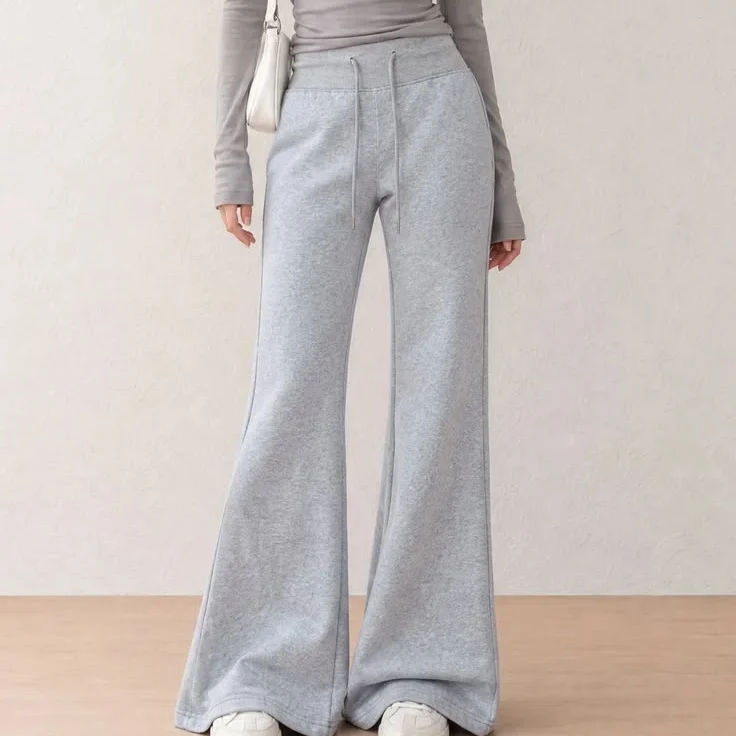
15. Flared Sweatpants
Flared sweatpants feature a leg that gradually becomes wider toward the hem. The silhouette is often associated with Y2K-inspired fashion and women’s casualwear.
A flared sweatpants manufacturer can create different versions by adjusting the rise, thigh width, knee position, and hem opening.
Brands can also use embroidery, screen printing, appliqué, or tonal branding to create distinct designs.
Flared styles can be made from:
- French Terry
- Cotton fleece
- Stretch jersey
- Cotton-polyester blends
The fabric should have enough structure and recovery to maintain the intended shape.
16. Stacked Sweatpants
Stacked sweatpants are designed with additional length around the lower leg, creating folds or “stacking” above the footwear.
This style is especially suitable for streetwear collections. The effect depends heavily on the relationship between garment length, leg opening, fabric weight, and fit.
Brands should develop the silhouette through physical samples rather than relying only on standard size measurements. A small change in length or leg width can significantly affect the stacked appearance.
17. What’s the Difference Between Sweatpants and Joggers?
Sweatpants and joggers are closely related, but their silhouettes are usually different.
| Sweatpants | Joggers |
| Often have a relaxed fit | Usually have a tapered fit |
| Commonly used for loungewear | Often used for active and lifestyle collections |
| Can have open or elastic hems | Usually feature elastic cuffs |
| Frequently made with fleece or French Terry | Commonly made with French Terry, fleece, or technical fabrics |
| Can have oversized silhouettes | Often have a more streamlined shape |
These are not strict rules. Brands can customize either style with different fabrics, fits, hems, and construction details.
How a Sweatpants Manufacturer Supports Private Label Brands
Working with an experienced manufacturing partner can simplify the process from initial concept to bulk production.
A brand may begin with a sketch, reference sample, tech pack, or basic product idea. The manufacturer can then help translate that concept into a production-ready pattern and sample.
The development process may include:
- Design review – The factory reviews the product specifications and construction requirements.
- Fabric sourcing – Suitable fabrics are selected according to weight, stretch, texture, and intended use.
- Pattern development – Measurements and construction details are converted into production patterns.
- Sample production – Initial samples are produced for fit and design evaluation.
- Sample revisions – Changes are made based on brand feedback.
- Bulk manufacturing – Approved specifications are used for larger-scale production.
- Quality inspection – Finished products are checked against the approved requirements.
- Packing and shipment – Products are packed according to the brand’s requirements and prepared for export.
For brands ordering custom sweatpants, communication during sampling is especially important. Clear measurements, fabric specifications, artwork, labels, and construction details can reduce unnecessary revisions.
Why Choose My Apparel Manufacturer for Custom Sweatpants?
My Apparel Manufacturer provides OEM and ODM apparel manufacturing for international clothing brands. The company supports custom product development, fabric sourcing, sampling, bulk production, and private label requirements.
Brands can develop different sweatpants styles based on their target market, collection concept, and required specifications. Customization can include:
- Fabric and color selection
- Custom patterns and fits
- Waistbands and drawcords
- Pockets and zippers
- Embroidery and printing
- Woven and printed labels
- Custom packaging
- Private label production
The manufacturer states a minimum of 50 pieces per style and color, making its production model suitable for brands testing new designs as well as businesses developing larger collections.
Conclusion
Sweatpants have become a flexible product category across streetwear, athleisure, activewear, loungewear, and everyday fashion. From classic fleece and French Terry joggers to cargo, flared, stacked, and recycled styles, brands have many options for building a differentiated collection.
Choosing the right Sweatpants Manufacturer can make product development more efficient. Look for a manufacturing partner that can support fabric sourcing, custom patterns, sampling, quality control, branding, and bulk production.
My Apparel Manufacturer works with international clothing brands on custom OEM, ODM, and private label apparel production. Brands can develop sweatpants according to their own designs, specifications, and collection requirements.