
How to Start a Custom Apparel Company?
Starting a custom apparel company is one of the most exciting ventures in today’s fashion-forward world. Whether you dream of launching a streetwear line, activewear brand, or sustainable clothing label, success begins with a clear plan — from design and manufacturing to branding and marketing.
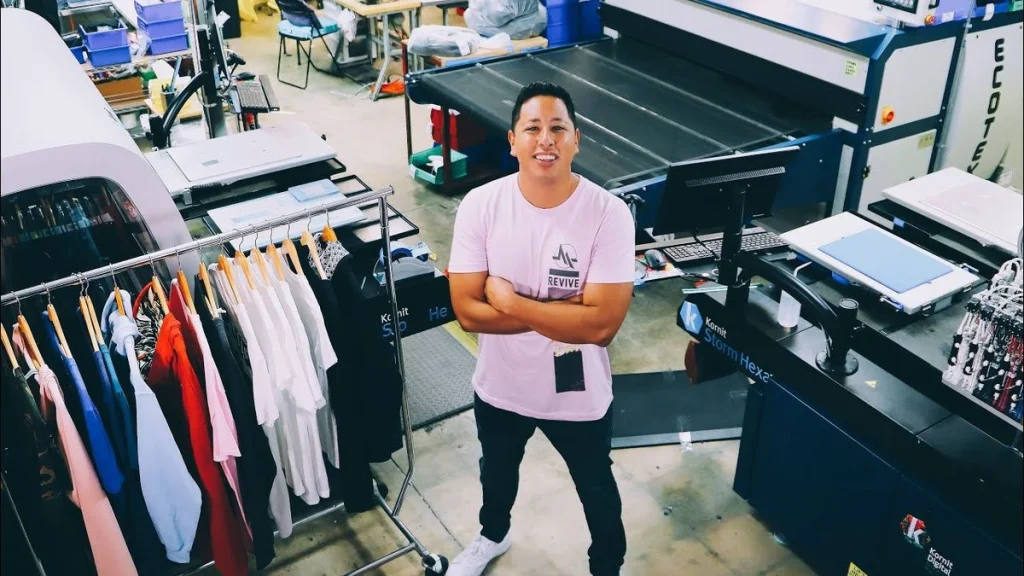
At My Apparel Manufacturer, we specialize in helping startups and established clothing brands bring their ideas to life. This step-by-step guide will walk you through the entire process of building your custom apparel company, ensuring you avoid common pitfalls and set a strong foundation for long-term growth.
1. What Are the First Steps to Launching a Custom Apparel Company?
Before diving into design or production, start with a solid business foundation. Here’s what you need to do:
a. Research Your Market
Understand your target audience — are you creating apparel for fitness enthusiasts, streetwear fans, or corporate uniforms? Identify competitors and analyze what makes them successful.
b. Define Your Brand Identity
Your brand story, logo, and tone matter. A clear brand identity helps build recognition and loyalty. Decide your niche early on — it could be eco-friendly fashion, custom streetwear, or private label athletic wear.
c. Create a Business Plan
Outline your startup costs, production plan, and pricing strategy. Include estimated expenses for samples, marketing, website, and manufacturing.
d. Register Your Business
Choose a name and legally register your company. Secure your domain name and social media handles to establish your digital presence.
e. Start with a Prototype
Before mass production, create samples to test the design, fabric quality, and fit. This helps ensure your products meet your expectations.
2. How Do You Design and Develop Your Custom Apparel Line?
Your designs are what make your brand stand out. Here’s how to get started:
a. Create Mood Boards
Gather inspiration from trends, colors, and fabrics. Pinterest and fashion magazines are great resources.
b. Develop Technical Drawings
Work with a designer to create technical sketches or CAD designs that detail measurements, fabric types, and stitching specifications.
c. Choose the Right Materials
Fabric selection is critical for both comfort and functionality. Whether you’re making hoodies, joggers, or t-shirts, My Apparel Manufacturer offers premium fabrics like cotton, fleece, polyester blends, and sustainable bamboo.
d. Focus on Functionality and Fit
Modern consumers care about both comfort and style. Ensure your apparel is well-fitted, breathable, and durable.
3. How to Find and Partner with the Right Custom Apparel Manufacturers?
Choosing the right manufacturing partner can make or break your brand.
a. Research and Shortlist Manufacturers
Search for custom apparel manufacturers in China or other reliable sourcing regions. Look for experience, certifications, and product quality.
b. Verify Their Capabilities
Ask if they offer OEM (Original Equipment Manufacturer) or ODM (Original Design Manufacturer) services. My Apparel Manufacturer provides both — allowing brands to produce custom designs or select from pre-designed templates.
c. Request Samples
Before committing, review physical samples to check stitching, fabric, and finishing.
d. Discuss Minimum Order Quantities (MOQs)
Start with smaller orders if you’re new to the market. My Apparel Manufacturer offers flexible MOQs ideal for startups.
e. Build a Transparent Partnership
Clear communication ensures product accuracy and delivery timelines. Always use written contracts outlining prices, delivery, and quality standards.
4. What Is the Production and Order Fulfillment Process?
Once your manufacturer is selected, the production process begins:
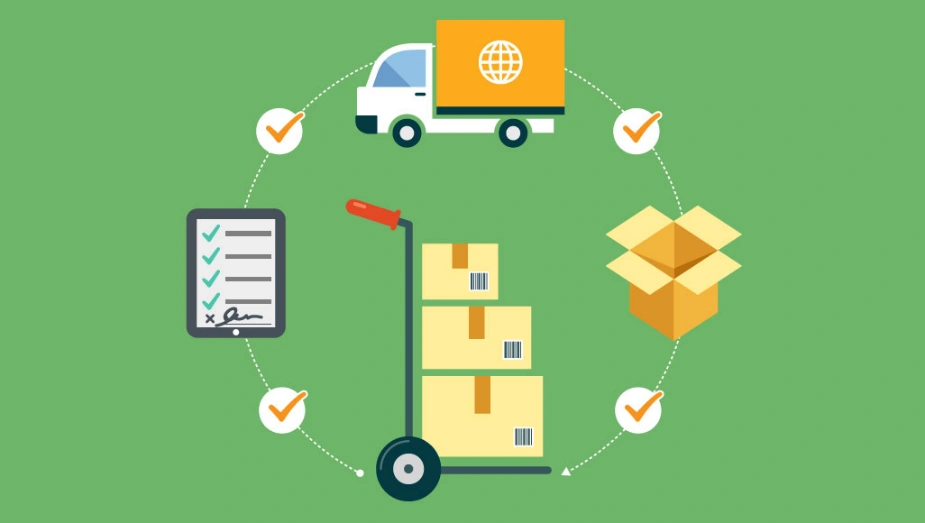
a. Sampling Stage
Your design is turned into a physical prototype for approval.
b. Bulk Production
After approval, the manufacturer produces your order using cutting, sewing, printing, and embroidery processes.
c. Quality Control
High-quality control standards ensure every garment meets your expectations. My Apparel Manufacturer follows strict QA protocols to deliver excellence.
d. Packaging and Shipping
Choose eco-friendly or branded packaging options. Shipping can be arranged via air, sea, or courier, depending on your timeline and budget.
e. Inventory and Fulfillment
For small brands, you can store stock at home or use a third-party logistics company for faster delivery to customers.
5. How Can You Successfully Launch and Market Your Custom Apparel Company?
Your product is ready — now it’s time to bring it to the world.
a. Build a Professional Website
Your website is your digital storefront. Optimize it for SEO using keywords like “custom apparel manufacturer” or “best clothing manufacturers in China.”
b. Use Social Media for Brand Awareness
Platforms like Instagram, TikTok, and Pinterest are perfect for showcasing your designs. Use lifestyle photography and user-generated content.
c. Collaborate with Influencers
Partner with micro-influencers who align with your brand image to gain organic exposure.
d. Offer Limited Collections
Launching limited-edition pieces creates urgency and boosts sales.
e. Focus on Quality and Customer Feedback
Always listen to your customers. Improving based on feedback is the key to long-term success.
6. Conclusion
Starting a custom apparel company takes dedication, creativity, and strong manufacturing partnerships. With the support of My Apparel Manufacturer, you can turn your fashion ideas into reality — from design to mass production.
We provide end-to-end services for custom hoodie manufacturing, activewear production, private label clothing, and OEM/ODM apparel solutions for brands in the USA and Europe.
Your dream apparel brand starts with one decision — partnering with the right manufacturer.
5 Frequently Asked Questions (FAQs)
1. How much does it cost to start a custom apparel company?
Startup costs vary based on order quantity, fabric type, and design complexity. With My Apparel Manufacturer, you can start with flexible MOQs to manage your budget efficiently.
2. How do I find reliable custom apparel manufacturers?
Look for manufacturers with proven experience, transparent pricing, and good communication — like My Apparel Manufacturer, known for high-quality production and global reliability.
3. What fabrics are best for custom apparel?
Cotton, polyester blends, fleece, and spandex are popular choices. The best material depends on your target audience and product type.
4. Can I create my own designs for production?
Yes, you can submit your sketches or design files. My Apparel Manufacturer offers both OEM and ODM services to bring your vision to life.
5. Do you help with private label clothing production?
Absolutely. My Apparel Manufacturer specializes in private label clothing manufacturing with custom tags, packaging, and branding.