


Introduction
Starting a clothing brand is exciting. You have ideas, designs, and a vision to build something successful.
But here’s the hard truth…
Many new clothing brands fail not because of bad designs — but because of poor fabric decisions.
Fabric is the foundation of your product. It directly affects:
- Product quality
- Customer satisfaction
- Brand reputation
- Profit margins
If your fabric is wrong, everything else starts to fall apart.
That’s why understanding common mistakes is so important.
In this guide, we’ll break down the top 5 fabric mistakes new clothing brands make, and more importantly — how you can avoid them using a smart fashion brand production strategy.
Many successful brands partner with a trusted wholesale clothing supplier to maintain the right balance between cost efficiency and premium product quality.
Mistake #1: Choosing Fabric Based Only on Price
This is probably the most common mistake.
New business owners often think:
“If I reduce cost, I will increase profit.”
But in reality, the opposite often happens.
Cheap fabric usually means:
- Lower quality feel
- Faster wear and tear
- Poor customer experience
- Higher return rates
And once customers lose trust, it’s very hard to win them back.
What Smart Brands Do Instead
Instead of focusing only on cost, successful brands focus on value.
They ask:
- Will this fabric feel good to customers?
- Can I sell this product at a better price?
- Will this improve my brand image?
A strong fashion brand production strategy balances cost and quality — not just cheap production.
Mistake #2: Ignoring Fabric GSM and Quality Standards
Many beginners don’t understand GSM (grams per square meter).
But GSM plays a huge role in how your product feels.
For example:
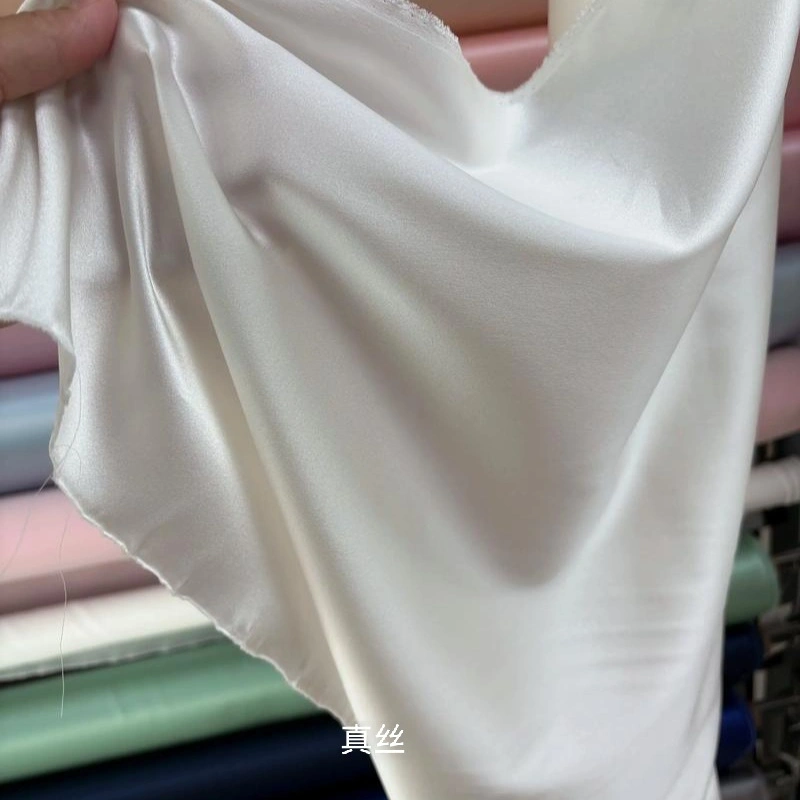
- Low GSM → lightweight, often feels cheap
- High GSM → thicker, premium feel
If you choose the wrong GSM, your product may:
- Feel too thin
- Lose shape quickly
- Fail to meet customer expectations
What You Should Do
Always match GSM with your product type:
- 180–220 GSM → light t-shirts
- 240–300 GSM → standard hoodies
- 300+ GSM → premium streetwear
Understanding this is a key part of a smart fabric selection strategy.
Mistake #3: Not Testing Fabric Before Bulk Production
Skipping sampling is a risky move.
We provide sampling services before bulk production so you can test fabric quality, fit, and durability before scaling your clothing brand.
Some brands directly go into bulk production to save time or cost…
And later face serious problems.
Without testing, you don’t know:
- How the fabric feels
- How it fits
- How it behaves after washing
This can lead to:
- Product defects
- Customer complaints
- Financial loss
The Smart Approach
Always test before scaling.
Sampling helps you:
- Identify issues early
- Improve product quality
- Avoid costly mistakes
A professional clothing manufacturer guide always recommends sampling before bulk orders.
Mistake #4: Choosing the Wrong Fabric for the Target Market
Not every fabric works for every audience.
This is where many brands fail.
For example:
- A premium brand using cheap fabric
- A budget brand using overly expensive materials
Both strategies can hurt your business.
Because your product must match your customer expectations.
Smart Strategy
Align your fabric with your brand positioning:
- Budget brands → cotton blends
- Mid-range brands → balanced fabrics
- Premium brands → high GSM cotton or fleece
This alignment is a core part of a successful fashion brand production strategy.
Mistake #5: Ignoring Durability and Long-Term Performance
Many brands focus only on how the product looks.
But customers care about how it performs over time.
Choosing the right fabric becomes easier when you work with an experienced clothing manufacturer for startups who understands different market segments.
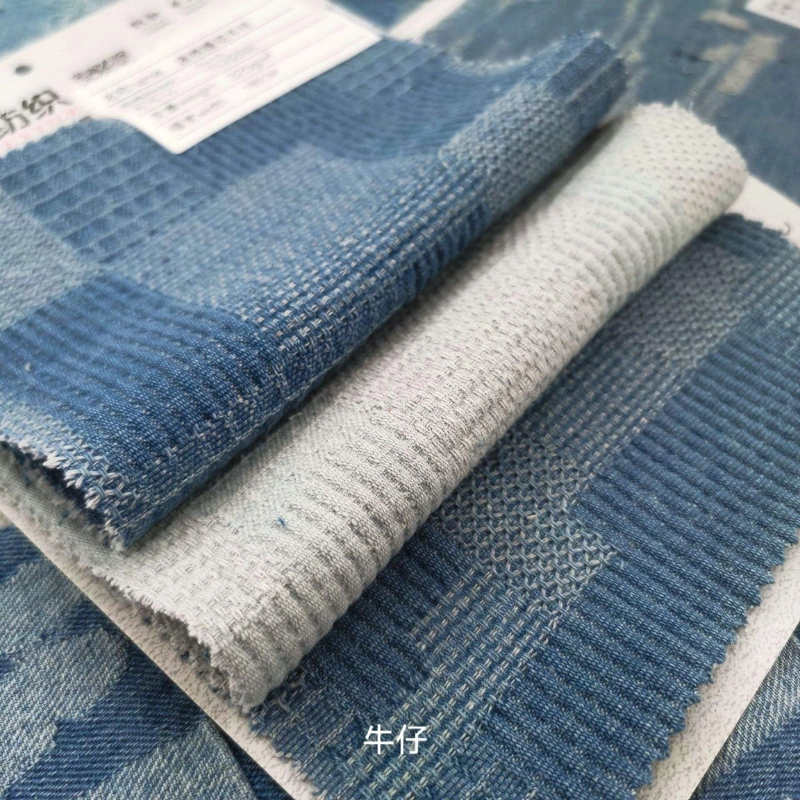
If your fabric:
- Shrinks after wash
- Loses color
- Becomes rough
Customers will not buy again.
And repeat customers are the backbone of any successful business.
What to Focus On
Choose fabrics that offer:
- Long-lasting quality
- Color retention
- Shape stability
Durability is not just about quality — it’s about building trust.
A strong fabric selection strategy always considers long-term performance.
Bonus Insight: Why Fabric is Your Silent Sales Tool
Let’s think about it differently.
Your fabric is not just material — it’s part of your marketing.
When a customer touches your product, they instantly judge your brand.
- Good fabric = premium brand perception
- Poor fabric = weak brand image
That’s why successful brands invest in quality from the beginning.
How to Avoid These Mistakes (Simple Framework)
If you want to stay ahead, follow this simple process:
Step 1: Define Your Brand Position
Know your target market and pricing level.
Step 2: Choose Fabric Based on Value
Focus on quality and cost balance.
Step 3: Test Before Production
Always approve samples first.
Step 4: Work with the Right Manufacturer
Choose experience over cheap pricing.
Step 5: Think Long-Term
Build a brand, not just products.
Conclusion
Fabric decisions can either build your brand or break it.
Most new clothing brands fail because they underestimate the importance of fabric.
But now you know better.
By avoiding these top 5 fabric mistakes, you can:
- Improve product quality
- Increase customer satisfaction
- Reduce returns
- Build a stronger brand
- Increase your profit margins
A smart fashion brand production strategy always starts with the right fabric decisions.
If you want to avoid these common mistakes and build a successful clothing brand, My Apparel Manufacturer offers complete solutions from fabric sourcing to bulk production.