


Introduction
Many new fashion brands in the UK start their journey by searching for custom clothing and wholesale suppliers online. At first, most options look similar. One supplier offers cheap hoodies. Another promises full customization. Some claim to be manufacturers, while others operate as wholesale clothing suppliers.
This is where many businesses get confused.
Although both are in the clothing business, Wholesale vs OEM Manufacturer are two completely different business models.
A Birmingham-based start up brand has recently placed an order for some wholesale custom hoodies with their cheap supplier. The products were well designed in the catalog, but once they arrived and when it was time to pick them up, the quality was average, and the exact same hoodie was available from a number of different brands.
The company then made the switch to a custom OEM manufacturer and created their own heavy weight hoodie with custom clothing labels, premium embroidery and exclusive sizing a few months later. It cost more to produce, but customers were happy and customers kept on coming back.
That’s the true distinction between reselling clothes and creating a brand.
Here’s all you need to know about wholesale clothing, custom OEM manufacturing and which one’s better for various types of businesses in the UK market.
What Is Wholesale Clothing?
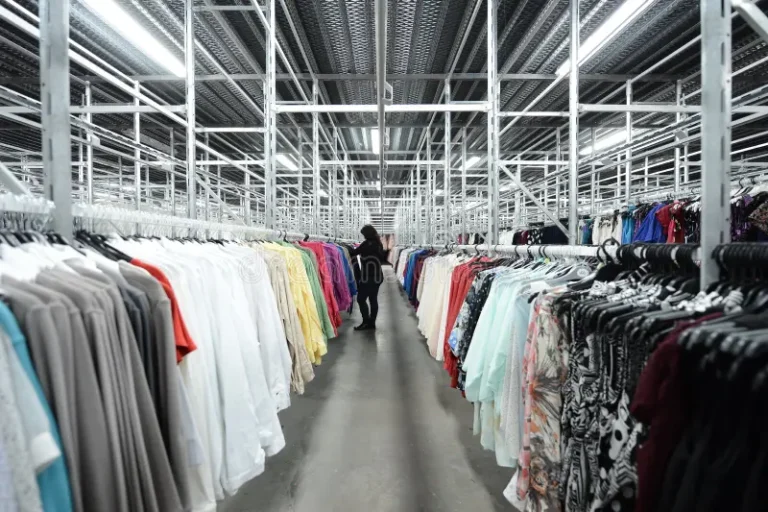
Wholesale clothing refers to ready-made garments produced in bulk and sold to retailers, startups, and online stores.
Wholesale clothing suppliers already have products manufactured before the buyer places an order. Buyers simply choose from an existing catalog.
Common wholesale products include:
- Wholesale clothing sweatshirts
- Wholesale custom hoodies
- Blank t-shirts
- Wholesale clothing hats
- Tracksuits
- Sportswear
- Wholesale women’s clothing
- Streetwear basics
Most UK wholesalers focus on fast delivery and low minimum order quantities.
This is why wholesale clothing UK businesses are popular among startups and small online stores.
The biggest advantage of clothing wholesale is speed.
You can:
- Launch products quickly
- Test the market with lower risk
- Buy smaller quantities
- Start selling without large investments
However, wholesale clothes also have limitations.
The products are not exclusive.
Many brands may be buying the exact same hoodie or t-shirt from the same wholesale supplier of clothes.
The only difference is usually the logo or print.
Some suppliers offer basic customization such as:
- Custom clothing labels
- Custom clothing tags
- Screen printing
- Custom clothing embroidery
- Heat transfer logos
But the base garment itself is still a standard wholesale product.
What Is a Custom OEM Manufacturer?
If your goal is building a long-term clothing brand, manufacturing support goes beyond basic production. Modern apparel brands often require complete product development solutions including:
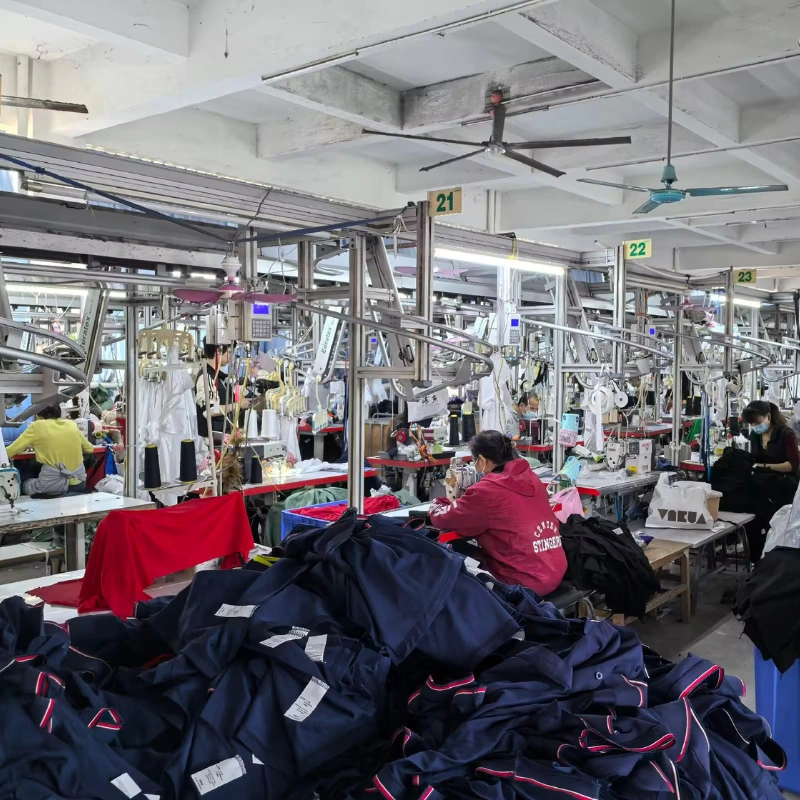
- Private label clothing manufacturing
- Custom hoodie manufacturing
- Heavyweight streetwear production
- Puff printing services
- Embroidery and woven labels
- Custom packaging solutions
- Cut and sew manufacturing
- Sample development services
At My Apparel Manufacturer, we help brands move from idea to finished products with flexible MOQ options and complete OEM support.
OEM stands for Original Equipment Manufacturer.
A custom OEM clothing manufacturer creates garments according to the buyer’s exact specifications.
Unlike wholesale clothing distributors, OEM factories do not simply sell ready-made stock.
Instead, they produce clothing from scratch.
This means the client controls almost every part of the product, including:
- Fabric type
- GSM weight
- Measurements
- Fit and sizing
- Color matching
- Stitching details
- Labels and packaging
- Embroidery placement
- Printing methods
- Brand identity elements
For example, a custom clothing UK brand may request:
- 450 GSM heavyweight hoodies
- Oversized streetwear fit
- Organic cotton fabric
- Puff print graphics
- Woven neck labels
- Premium embroidery
- Custom packaging
An OEM manufacturer develops the garment specifically for that brand.
This is why high quality custom clothing UK brands usually prefer OEM production.
It allows them to create products that look different from standard wholesale items.
Wholesale vs OEM Manufacturer Key Differences
| Factor | Wholesale Clothing | Custom OEM Manufacturing |
| Product Type | Ready-made garments | Fully custom garments |
| Customization | Limited | Full control |
| MOQ | Lower | Higher |
| Production Time | Faster | Longer |
| Product Exclusivity | Shared products | Unique products |
| Pricing | Lower upfront cost | Higher development cost |
| Branding Options | Basic | Complete private label |
| Best For | Startups and resellers | Growing fashion brands |
The main difference is simple.
Wholesale suppliers sell existing products.
OEM manufacturers create products around your brand.
Which Option Is Better for New Clothing Brands?
The right choice depends on your budget, goals, and business stage.
Wholesale Clothing Is Better If:
- You are starting with a small budget
- You need products quickly
- You want lower MOQs
- You are testing designs
- You are running short-term campaigns
- You are learning the market
Many online sellers in the UK start with wholesale clothing vendors because the risk is lower.
For example, a startup selling custom hoodies may buy blank sweatshirts from UK-based wholesale suppliers and add embroidery or screen printing locally.
This allows quick product launches without heavy manufacturing costs.

OEM Manufacturing Is Better If:
- You want to build a long-term brand
- Product quality matters heavily
- You need unique garments
- You want better profit margins
- You need custom fits and fabrics
- You want stronger brand identity
Most successful streetwear and premium fashion brands eventually move from wholesale products to OEM manufacturing.
Why?
Because exclusive products help brands stand out in a crowded market.
Product Quality and Branding Differences
One major difference between custom clothing and wholesale products is quality control.
Wholesale factories usually focus on mass production volume.
OEM manufacturers focus more on accuracy and product development.
With custom OEM manufacturing, brands can choose:
Many premium manufacturers also follow OEKO-TEX Standard 100 certification standards to ensure textile safety and material quality.
- Premium heavyweight fabrics
- Better stitching quality
- Custom fits
- Organic materials
- Better embroidery
- Premium packaging
- Unique trims and details
These details improve customer experience and increase perceived value.
For example, premium custom t-shirts & clothing brands in the UK often use:
- 240 GSM cotton
- Oversized cuts
- Puff print graphics
- Woven labels
- Custom neck tape
These features are difficult to achieve through standard clothing wholesale suppliers.
This is why premium brands rarely depend completely on generic wholesale clothing distributors.
MOQ Differences Explained
MOQ means Minimum Order Quantity.
This is one of the biggest differences between wholesale and OEM production.
Wholesale MOQs
Wholesale suppliers usually allow small orders because the products are already made.
Typical wholesale MOQs include:
- 10 hoodies
- 20 t-shirts
- Mixed-size packs
- Single-piece samples
This flexibility helps small startups launch quickly.
OEM Manufacturing MOQs
Custom OEM factories usually require larger quantities.
Why?
Because they must:
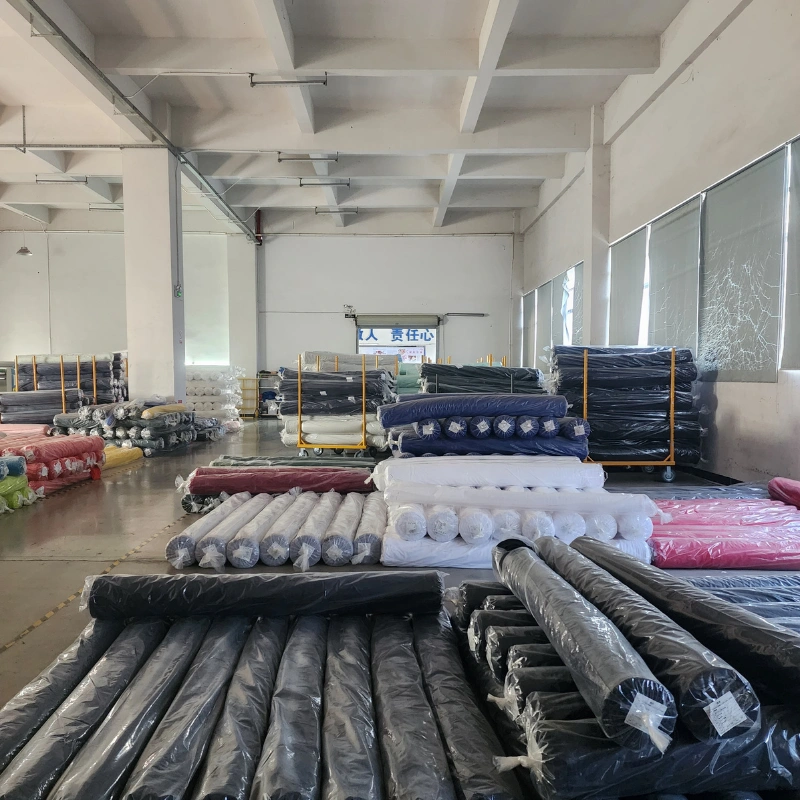
- Source fabric
- Create patterns
- Setup production
- Develop labels and trims
- Prepare custom packaging
Typical OEM MOQs are:
- 50–100 pieces per design
- 100+ pieces per colorway
Some custom clothing manufacturers in the UK now offer lower MOQs for startups, but pricing becomes higher at smaller quantities.
Pricing Comparison
Many people choose wholesale clothing because the upfront cost is lower.
That is true.
Wholesale pricing is cheaper because:
- Products already exist
- No sampling is needed
- No fabric sourcing is required
- Production is faster
OEM manufacturing costs more because garments are developed from scratch.
The factory must:
- Create samples
- Source materials
- Produce labels
- Setup production lines
- Handle quality control carefully
However, OEM products usually support higher retail pricing.
Recent global apparel market research report findings show growing demand for premium and customized apparel products worldwide.
Customers are willing to pay more for:
- Better quality
- Unique designs
- Premium branding
- Better fit
- Exclusive products
This is why many custom clothing and wholesale online businesses eventually switch to OEM manufacturing after growing their customer base.
Common Mistakes Buyers Make
Choosing the Cheapest Supplier
Cheap manufacturing often leads to:
- Thin fabrics
- Poor stitching
- Weak printing
- Inconsistent sizing
Low quality damages customer trust quickly.
Confusing Wholesale Suppliers with Manufacturers
Some suppliers advertise customized clothing services when they only add logos to ready-made garments.
Always ask clearly:
“Do you manufacture products from scratch or customize wholesale stock?”
Ignoring Fabric GSM
Fabric weight affects how premium a garment feels.
Heavyweight hoodies usually require 350–500 GSM fabric.
Thin fabric feels cheap immediately.
Skipping Physical Samples
Never approve bulk production using only photos.
Physical samples help verify:
- Fabric quality
- Stitching
- Fit
- Color accuracy
- Print quality
Weak Branding
Many startups forget important details like:
- Clothing labels custom designs
- Neck tags
- Packaging
- Hangtags
- Embroidery quality
Small branding elements strongly affect customer perception.
Real Case Study — UK Streetwear Brand
A small Manchester streetwear startup wanted to launch premium oversized hoodies.
Initially, they worked with a wholesale clothing UK supplier.
The products sold reasonably well, but customers felt the hoodies looked too generic.
The brand later switched to an OEM manufacturer and developed:
- 450 GSM heavyweight hoodies
- Oversized fit
- Premium embroidery
- Custom clothing labels
- Puff print graphics
- Custom packaging
The manufacturing cost increased by around 30%.
But the brand successfully doubled retail pricing because the products finally looked unique and premium.
Within six months, repeat customer rates improved significantly.
This shows the difference between reselling products and creating a recognizable fashion brand.
How to Choose the Right Supplier
When searching for custom clothing and wholesale suppliers UK, focus on more than just pricing.
A reliable supplier should clearly explain:
- Whether they are wholesale or OEM
- MOQ requirements
- Production timelines
- Sampling procedures
- Quality control methods
- Branding options
- Shipping capabilities
Ask for:
- Product samples
- Fabric swatches
- Production photos
- Previous client work
- Factory videos
Professional manufacturers answer technical questions clearly.
Vague answers usually indicate trading companies instead of actual factories.
Final Thoughts
Wholesale clothing works well for startups that want fast product launches with lower investment.
OEM manufacturing works better for brands focused on long-term growth, premium quality, and unique products.
Neither option is automatically right or wrong.
The best choice depends on:
- Your budget
- Your business goals
- Your timeline
- Your branding strategy
If you simply want to start selling quickly, wholesale clothing suppliers may be enough.
But if you want to build a strong fashion brand with long-term customer loyalty, custom OEM manufacturing provides far more control over quality, identity, and product experience.
The most successful fashion brands understand this difference early.
They do not just sell clothing.
They create products customers remember.