


What Is Cut and Sew Manufacturing
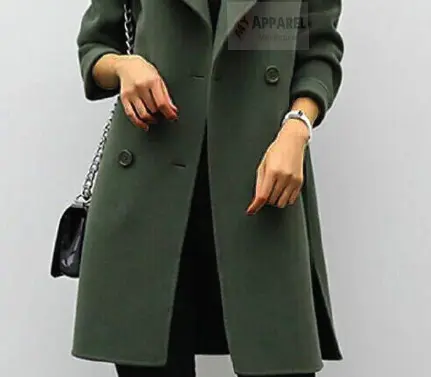
Cut and sew manufacturing is a production method where garments are created completely from raw fabric instead of using pre-made blank apparel.
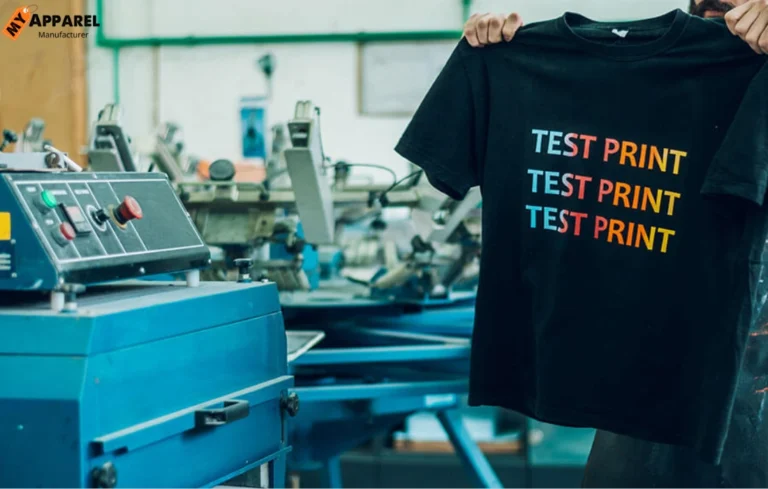
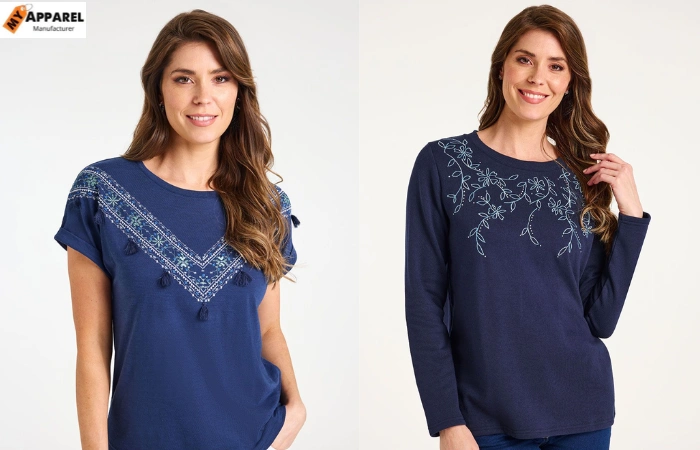
Many premium brands also combine cut and sew production with advanced customization techniques like puff printing, screen printing, and embroidery to create stronger product identity and improve customer perception.
Rather than purchasing standard wholesale hoodies or T-shirts, brands develop products from the beginning using custom patterns, selected fabrics, and specific construction methods. Brands working with custom hoodie manufacturers and private label clothing manufacturers often prefer cut and sew production because it allows complete control over fabric, fit, branding, and garment construction.
The process usually includes:
Core Stages of Cut and Sew Production
- fabric sourcing
- pattern development
- grading and measurements
- fabric cutting
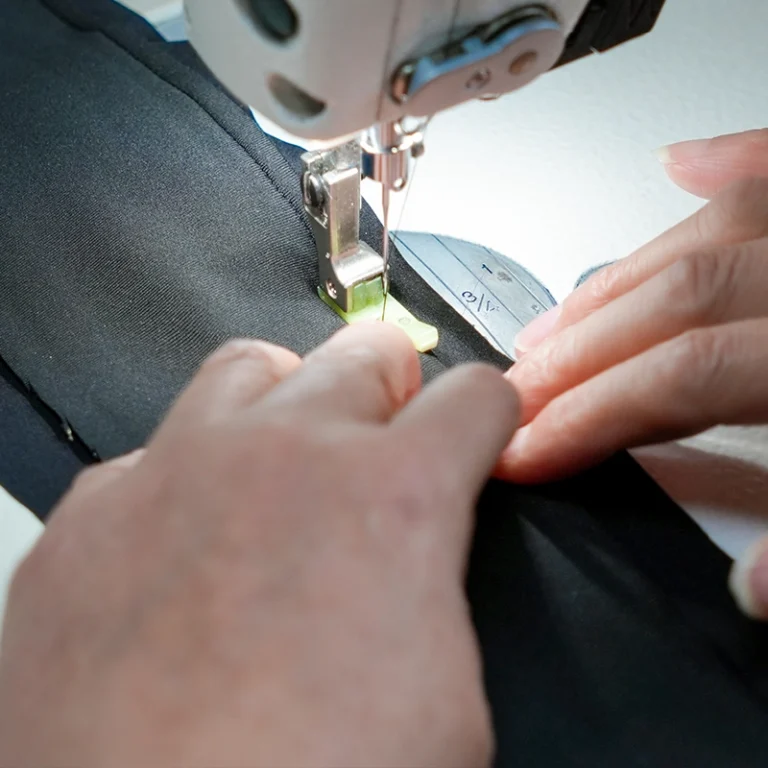
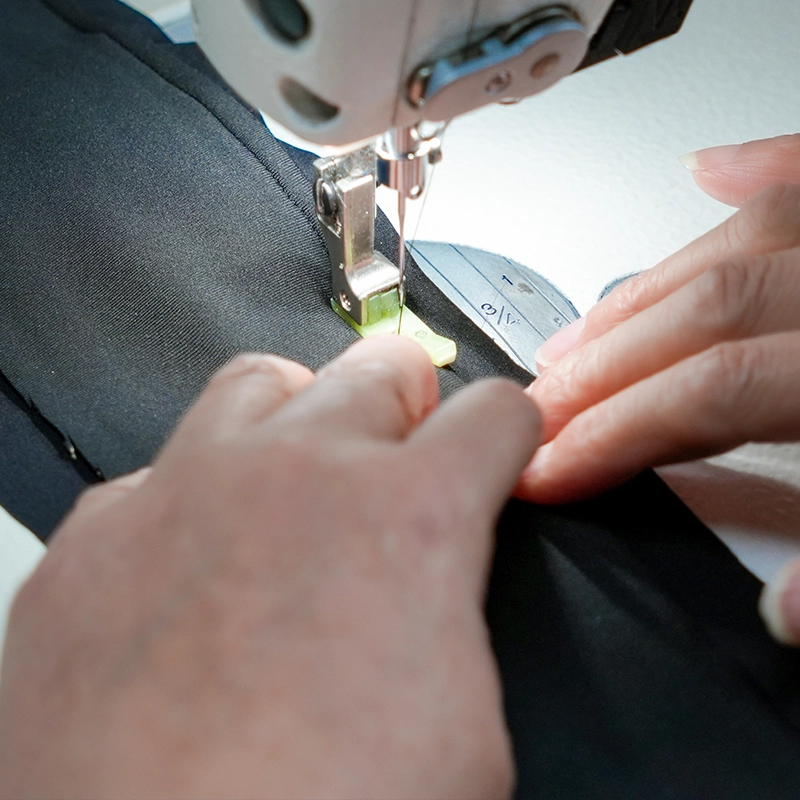
- garment assembly
- embroidery or printing
- quality inspection
- finishing and packaging
This gives clothing brands much greater control over:
- garment structure
- fabric quality
- sizing consistency
- stitching standards
- overall product identity
That level of customization is difficult to achieve using generic wholesale blanks.
Why Premium Apparel Brands Prefer Cut and Sew Production
Most successful premium fashion brands eventually move away from blank garments.
The reason is simple.
Blank apparel limits originality.
Cut and sew manufacturing allows brands to create products that feel unique, premium, and recognizable to customers. This is especially important for modern streetwear brands producing oversized hoodies, heavyweight T-shirts, and premium casualwear collections.
A premium customer can immediately notice the difference between:
- a standard wholesale hoodie
- a carefully engineered heavyweight cut and sew hoodie
The difference appears in:
- fabric texture
- fit balance
- silhouette
- stitching quality
- overall garment structure
Major Advantages of Cut and Sew Manufacturing
| Advantage | Business Impact |
| Custom fit control | Creates stronger brand identity |
| Premium fabric selection | Improves customer satisfaction |
| Better construction quality | Increases garment durability |
| Full branding flexibility | Strengthens brand recognition |
| Consistent sizing | Reduces return rates |
| Product exclusivity | Helps brands stand out |
Modern streetwear and premium apparel brands rely heavily on product differentiation. Cut and sew manufacturing helps create that uniqueness.
Blank Apparel vs Cut and Sew Manufacturing
Many startup clothing brands begin with blank apparel because it requires less investment.
That strategy works for testing products early.
But once a brand wants to compete in premium markets, blank garments often become a limitation.
Blank Apparel Production
With blank apparel production, factories manufacture standard garments in bulk. Brands later customize them using. Popular apparel decoration methods include plastisol printing, puff printing, foil printing, and discharge printing depending on the desired visual effect and fabric type.
- printing
- embroidery
- labels
- packaging
Advantages of Blank Apparel
- lower startup costs
- faster production timelines
- simpler inventory management
- smaller upfront investment
Problems With Blank Apparel
- generic fitting
- limited customization
- weak exclusivity
- lower perceived value
- difficult brand differentiation
Cut and Sew Manufacturing
Cut and sew manufacturing starts completely from scratch.
Every detail can be customized:
- fabric
- silhouette
- sleeve construction
- garment measurements
- trims
- labels
- stitching methods
- finishing treatments
The final product becomes unique to the brand instead of looking like hundreds of similar garments already available online.
This exclusivity is one of the biggest reasons premium apparel bran
Fabric Quality and Material Selection
Fabric quality is one of the most important elements in premium apparel manufacturing.
Customers notice fabric immediately.
The softness, thickness, drape, and durability of a garment strongly affect how premium it feels.
Weak fabric lowers perceived value almost instantly.
Professional cut and sew manufacturers help brands select materials based on:
- target audience
- product category
- pricing strategy
- climate
- desired garment structure
Popular Fabrics Used in Premium Apparel
Heavyweight Cotton
Heavyweight cotton is commonly used in streetwear because of its structured feel and long-term durability.
French Terry
French terry is popular for hoodies and luxury casualwear because it feels soft while maintaining strong garment structure.
Organic Cotton
Many sustainable fashion brands choose organic cotton to support eco-conscious branding.
Performance Blends
Activewear brands often use performance blends because they provide stretch and moisture control.
Fabric Weight (GSM) Matters
| GSM Range | Common Use |
| 160–180 GSM | Lightweight fashion T-shirts |
| 180–240 GSM | Premium retail apparel |
| 240–400 GSM | Heavyweight streetwear |
Professional apparel manufacturers usually perform:
- shrinkage testing
- wash testing
- colorfastness testing
- pilling resistance checks
before approving bulk production.
These tests help maintain consistency during large production runs.
Why Fit Development Matters in Premium Apparel
Fit consistency is one of the biggest reasons customers reorder from a clothing brand.
Poor fit quickly damages customer trust.
Cut and sew manufacturing allows brands to create fully customized patterns based on:
- fashion trends
- target audience preferences
- body proportions
- garment style
Oversized streetwear fits, cropped silhouettes, athletic cuts, and relaxed luxury fits all require different pattern engineering.
Professional Pattern Development Focuses On
- shoulder balance
- sleeve proportion
- garment drape
- neck opening
- size grading
- body measurements
Without proper pattern engineering, even expensive fabrics can produce disappointing results.
Premium apparel brands understand that fit is part of the customer experience.
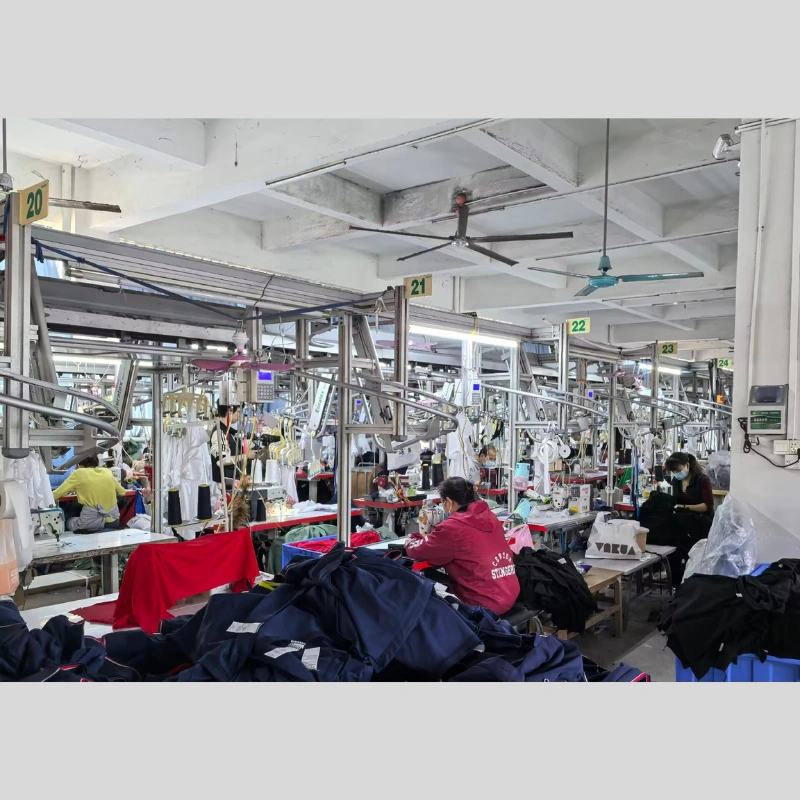
Construction and Stitching Standards
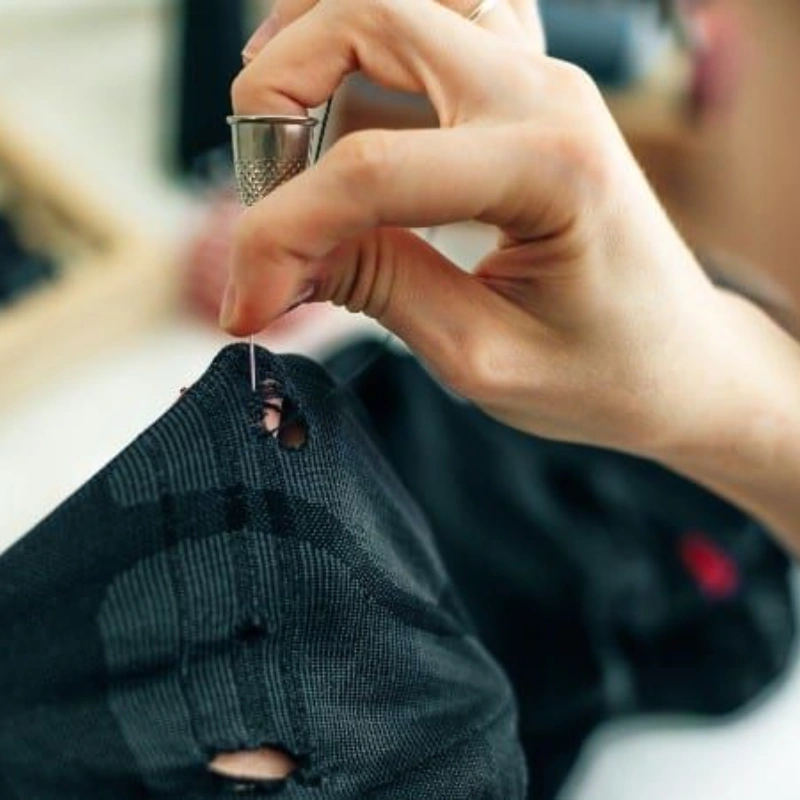
Construction quality is one of the clearest differences between cheap apparel and premium apparel.
Low-cost factories often reduce production costs by:
- lowering stitch density
- rushing seam construction
- using lower-quality thread
- reducing quality inspections
Customers eventually notice these shortcuts.
Common Garment Construction Problems
| Problem | Cause |
| Twisted side seams | Poor cutting alignment |
| Loose stitching | Weak seam construction |
| Neck stretching | Low-quality ribbing |
| Uneven hems | Inconsistent sewing |
| Shoulder distortion | Poor pattern balance |
Professional cut and sew manufacturers monitor:
- stitch consistency
- seam strength
- thread tension
- fabric alignment
- sewing accuracy
throughout production.
The goal is long-term durability, not short-term appearance.
Customization Options for Modern Fashion Brands
One of the biggest advantages of cut and sew manufacturing is full customization flexibility.
Modern clothing brands can customize nearly every part of the garment.
Popular Customization Options
Garment Customization
- oversized fits
- cropped silhouettes
- drop shoulders
- custom sleeve lengths
Fabric Customization
- custom GSM
- garment dyeing
- acid washing
- enzyme washing
Branding Elements
- woven labels
- neck labels
- embroidery
- puff printing
- custom packaging
- branded hangtags
Premium brands often combine multiple customization methods to create stronger product identity and exclusivity. Advanced apparel customization techniques help brands create stronger shelf appeal, improve perceived value, and build long-term brand recognition in competitive fashion markets.
Quality Control During Apparel Production
Quality control is one of the most overlooked parts of apparel manufacturing.
Factories that inspect garments only at the end of production often miss important problems earlier in the process.
Professional apparel manufacturers inspect products throughout production.
Quality Control Stages
- Fabric inspection
- Pattern verification
- Cutting inspection
- Sewing inspection
- Printing inspection
- Final packaging inspection
Important Production Checks
| Inspection Area | Purpose |
| Measurements | Size consistency |
| Stitching | Durability |
| Fabric quality | Product consistency |
| Print placement | Visual accuracy |
| Label verification | Branding accuracy |
Strong quality control systems help reduce:
- refunds
- defective products
- customer complaints
- shipment delays
Why Many Premium Brands Manufacture in China
continues to dominate global apparel manufacturing because of its advanced production ecosystem.
Many premium fashion brands manufacture in China because factories offer:
- advanced machinery
- skilled garment workers
- scalable production systems
- strong fabric sourcing networks
- competitive pricing
Experienced Chinese cut and sew manufacturers can handle:
- OEM apparel production
- private label manufacturing
- custom sampling
- packaging
- international shipping logistics
This allows fashion brands to focus more on:
- marketing
- ecommerce growth
- brand development
- customer acquisition
while production operations are managed professionally.

Common Production Mistakes Fashion Brands Make
Many startup apparel brands lose money because of avoidable manufacturing mistakes.
Most Common Production Problems
- choosing suppliers based only on low pricing
- skipping physical sample approval
- weak tech packs
- unclear sizing instructions
- poor communication with factories
- unrealistic production timelines
Small mistakes during sampling often become expensive problems during bulk production.
Experienced apparel brands spend more time preparing before production begins because prevention is far cheaper than fixing production errors later.
Real Production Example From a Streetwear Brand
A premium streetwear startup preparing for its first collection wanted heavyweight oversized hoodies and T-shirts for launch.
The first supplier used generic wholesale blanks with screen printing.
The results were disappointing:
- thin fabric feel
- inconsistent oversized fitting
- weak stitching
- poor wash durability
The brand later switched to a professional cut and sew manufacturer specializing in premium streetwear apparel.
The new production included:
- 400 GSM French terry
- custom oversized patterns
- reinforced shoulder seams
- private woven labels
- wash-tested fabrics
The difference was immediate.
Customers noticed the improved quality, better fit consistency, and stronger garment structure. Within two months, the brand placed a second bulk order after receiving strong repeat customer demand.
Final Thoughts
Cut and sew manufacturing gives premium apparel brands something generic blanks cannot provide — product identity.
Modern fashion brands compete heavily on:
- quality
- fit
- exclusivity
- comfort
- customer experience
Custom apparel manufacturing allows brands to control all of those factors directly.
The difference between ordinary clothing and premium apparel usually starts long before marketing begins.
It starts during manufacturing.
Get a Cut and Sew Manufacturing Quote in 10 Minutes
My Apparel Manufacturer provides premium cut and sew manufacturing services for streetwear brands, fashion startups, Private Label Clothing Manufacturer companies, and growing apparel businesses worldwide. From custom T-shirts and hoodies to full premium apparel collections, every garment is produced with complete manufacturing control, including custom pattern development, fabric sourcing, GSM selection, oversized and tailored fit creation, embroidery, printing, private label branding, packaging, and OEM/ODM production. Whether you need heavyweight streetwear apparel, luxury basics, or fully customized premium garments, our production team helps manage the entire process from sampling to bulk production and final shipment. Send your tech pack, design, or even a rough idea and receive fabric recommendations, MOQ details, lead time estimates, customization options, and per-unit pricing within 10 minutes during business hours. No pressure and no unnecessary sales calls — just a clear manufacturing quote built around your brand goals.