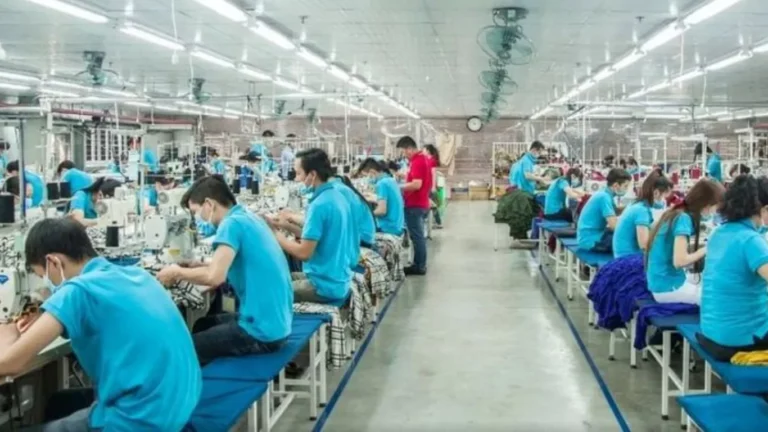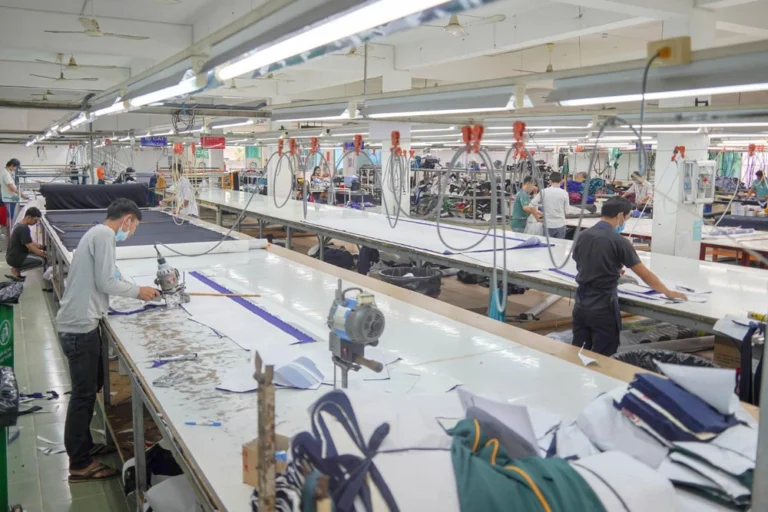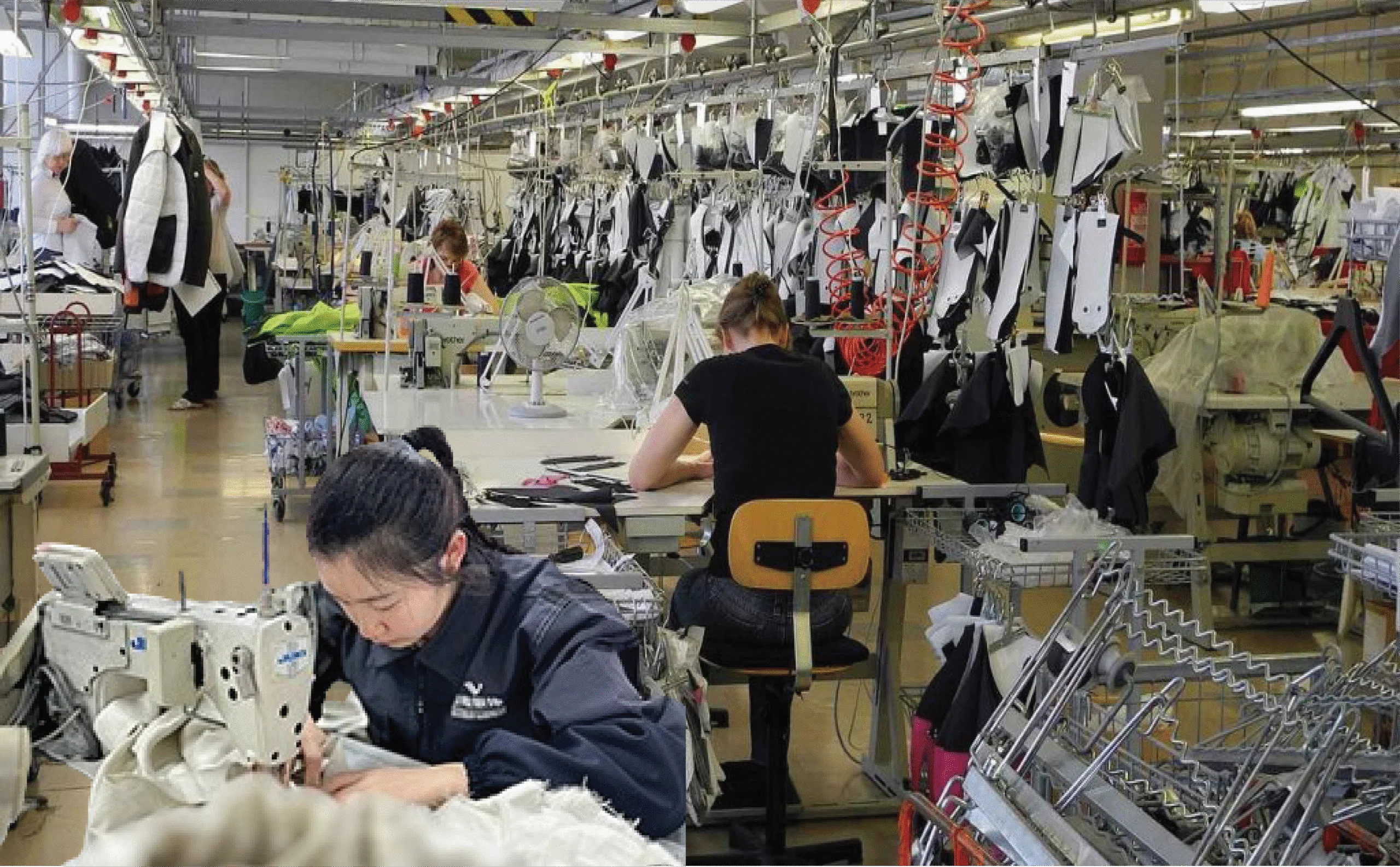



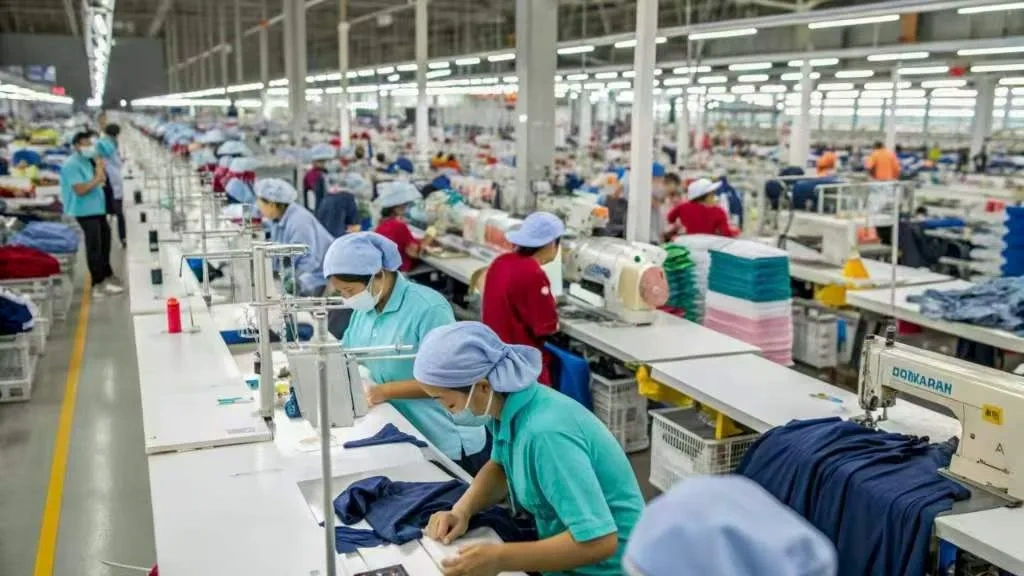
The trend in the fashion industry has taken a different turn which nobody could have predicted within the past ten or so years. A few years ago, to establish a clothing brand that could sell its goods overseas, businesses needed significant investment, physical shops, and strong delivery networks. However, nowadays things are very different, as many brands now work with a reliable clothing manufacturer or a garment manufacturer in China to produce clothing and supply international markets more efficiently.
But that also means that you need to deliver on these markets, where customers expect a certain level of quality, finish, and reliability. They expect your product to not only look good in pictures but also be good in real life. In today’s world, if your product is not good, they will definitely leave reviews or talk about their experiences online.
This is why brands are no longer just seeking a factory that can make clothes for them. What they are really seeking is a good clothing manufacturer that they can rely on to deliver the same quality over and over again.
This is a good decision, or at least it seems to be when you first start out. However, once you are into your second or third production run, issues are likely to begin arising. Perhaps the stitching is not consistent, perhaps the production is taking longer than expected, or perhaps this factory simply cannot handle larger production runs once your brand takes off.
For anyone who has ever worked in this industry, you know that your manufacturer is either your friend or your worst enemy.
This is why selecting a good global clothing manufacturer is a critical step for any brand that is seeking to create something that will last over time.

Ask every single clothing company worldwide and they would all concur: quality is on our list of priorities. These are more finer details that can be observed by customers in developed countries. They feel the quality of the material, the quality of the sewage, and the ability of the clothes to survive through being washed many times. Any good clothing manufacturer will perceive that consistency is as important as quality. In the event that a customer happened to buy a hoodie in your store today and re-bought it in 3 months time, the one that they buy should feel and look the same way.
Naturally, this is not easily said or done particularly when one is dealing with a novice manufacturer. The cloth can vary a little, the lacquer can vary a little and the finer details can vary a little. Although such differences might not be felt on a big scale, customers will be aware of such changes. The quality is of high relevance to experienced manufacturers of custom clothes. The cloth is checked and then production starts. The measures and designs are well captured before manufacturing. The garments are also checked several times before they are shipped. All these may seem like a very standard and obvious thing, but when a clothing brand is interested in preserving a good reputation, these minor details greatly matter.
Reliable Production Timelines Matter More Than You Might Think
Fashion is one industry where timely completion is extremely important. Brands plan their collection months before the actual release date. The design process is followed by the finalization of products, marketing strategies, and release plans. If the production process is delayed, all other processes are also at risk of failure.
Suppose a brand is planning to release a collection of winter jackets to stores in Europe. Due to some reason, the shipment is delayed. By the time the shipment is received by the stores, the cold weather may have already passed. This means that the brand would have missed the opportunity to sell those products.
That is why it is better to collaborate with strong apparel producers that can meet their words.

The production process is as follows:
If the manufacturer is reliable and follows the above time frame for production, it is possible for the brand to plan their release date with much confidence.
Over time, reliability is one of the most valuable assets a manufacturer can offer to a brand.
Clear Communication Keeps Everything Moving
Manufacturing is an international process. Brands are located in one country, while the manufacturer is located in another country. This geographical difference creates communication barriers. Brands have to communicate with their international clothing manufacturer to confirm their order, release date, etc.
Therefore, communication is extremely important for both parties. Brands need their international clothing manufacturer to be active during the production process. A reliable manufacturer is one who does not take an order and then goes silent until the shipment date.
Flexible MOQ Makes it Easier for New Brands to Launch
Not all clothing brands start off big. There are many instances where brands began with a very small order just to gauge the feel of the brand. This is where a low MOQ clothing manufacturer can be a game-changer for young brands.
MOQ stands for the Minimum Order Quantity. This is the lowest order size a factory can produce. When a factory offers a flexible MOQ, brands can experiment with their designs without breaking the bank.
Suppose a brand launches a brand-new design of a hoodie. They order just 100 or 150 units. If the market accepts it well, they can order more. Working with such partners can help brands forge long-term relationships.
OEM Manufacturing Ensures Brands Remain Unique
For a brand to succeed in the fashion industry, being original is essential.
Customers are likely to flock to brands whose products are unique.
That is why most brands turn to an OEM clothing manufacturer.
The OEM model works such that the brand provides the design, and the manufacturer makes the garment to the exact specifications provided.
With the OEM model, the brand retains complete control over the production. They get to choose the exact materials to use.
Seasoned custom clothing manufacturers are the best to turn to.

Know-How to Ensure Sales in the International Market
For a brand to succeed in the international market, the manufacturer they turn to needs to know the market.
Selling garments to the international market is not just a simple task.
For instance, the European Union states that labels on garments have to display the content of the material.
Additionally, most retailers in the US require standardized packaging.
A garment manufacturer that works with international brands is likely to know all the requirements.
Conclusion
A successful clothing brand is not built on aesthetics or marketing gimmicks, but on having a partner in a factory that understands the value of quality, reliability, and a partnership that is built to last.
A good garment manufacturing partner is one that ensures product consistency, meets delivery deadlines, and scales up with you as your business grows.
For brands targeting global markets including USA, UK, Canada, Australia, and Europe, among others, selecting a good clothing manufacturer is perhaps one of the most important decisions.
When everything works well between two parties, the brand can focus on its creativity and customer experience, knowing that their manufacturer is focused on ensuring that every product meets consumer expectations.