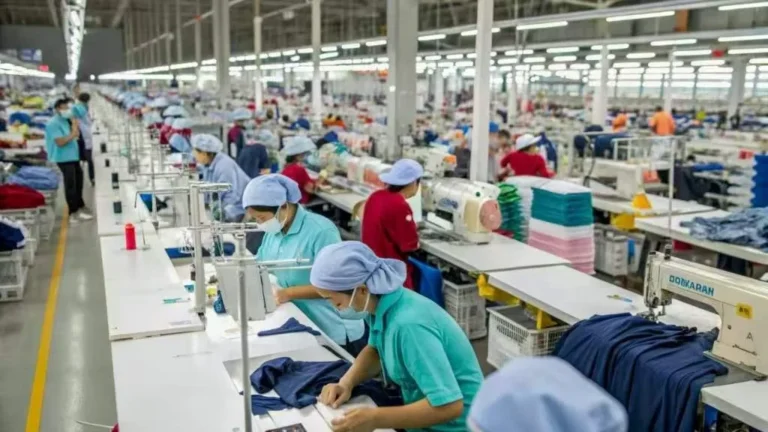



See how new clothing brands grow from concept to production with My Apparel Manufacturer. Build your Zero to Brand journey with low MOQ and custom apparel.
Starting a clothing brand takes more than a good design. New brands also need reliable sampling, quality production, manageable order quantities, consistent branding, and a supply chain that can grow with demand.
This is where the right manufacturing partner can make a difference. My Apparel Manufacturer helps fashion startups and growing clothing brands move from an early concept to production-ready apparel through custom OEM and ODM manufacturing.
From fabric sourcing and sampling to private labeling, quality control, and bulk production, the process is designed to help brands build products with fewer production risks.

1. Start With a Clear Brand Direction
Every successful clothing line starts with a clear idea of who it serves and what makes it different.
Before production begins, brands should define:
- Target customers and their preferences
- Garment styles and fits
- Fabric and color choices
- Branding details
- Packaging requirements
- Expected retail positioning
My Apparel Manufacturer works with brands during the early development stage to turn these ideas into practical production requirements. Fabric, trims, colors, labels, and packaging can be selected around the brand’s identity.
This creates consistency across the collection instead of treating each garment as a separate product.

2. Turn Ideas Into Production-Ready Samples
A design may look good on paper but still need changes when it becomes a physical garment.
Sampling gives brands the opportunity to check the product before committing to bulk production.
The process can include:
- Reviewing the design or tech pack
- Selecting suitable fabrics and trims
- Developing patterns and measurements
- Creating the first sample
- Checking fit, construction, color, and finishing
- Making required adjustments
- Approving the final sample for production
My Apparel Manufacturer typically develops samples within around 7–10 days, depending on the design and requirements. This gives new brands a practical way to test their products before moving into larger quantities.

3. Use Low MOQ to Test the Market
Large opening orders can create unnecessary pressure for a new clothing brand. If a style does not perform as expected, excess inventory can tie up valuable cash.
Low MOQ production gives startups more flexibility.
My Apparel Manufacturer supports orders starting from 50 pieces per style and color, depending on the product requirements.
This allows brands to:
- Test new designs
- Launch smaller collections
- Experiment with different styles
- Reduce initial inventory risk
- Increase production as demand grows
For a new brand, this approach can make the transition from concept to commercial production more manageable.ck.
4. Build Product Quality Before Building Volume
A brand cannot create long-term customer trust without consistent product quality.
Quality control should cover more than the finished garment. Materials, construction, measurements, trims, printing, embroidery, labels, and packaging all affect the final product.
My Apparel Manufacturer manages quality checks throughout production, including:
- Fabric and material inspection
- Pattern and cutting checks
- Sewing and construction inspection
- Print and embroidery checks
- Measurement verification
- Final garment inspection
- Packing checks
The goal is to identify production issues before garments reach customers.
For growing brands, consistent quality also makes it easier to maintain the same product standards as order volumes increase.ews.
5. Create a Recognizable Private Label
Customers remember brands, not factories.
That is why private labeling plays an important role in building a recognizable clothing business.
My Apparel Manufacturer can support custom branding through:
- Woven and printed labels
- Custom hangtags
- Logo placement
- Embroidery
- Screen printing
- Custom packaging
- Branded garment details
- Special trims and hardware
These details help transform a standard garment into a product that belongs to your brand.
For startups working toward a consistent identity, branding can be developed alongside the garment instead of being added at the end.
6. Move From Sample to Small-Batch Production
Once a sample has been approved, the next challenge is turning a successful prototype into consistent production. This is where production planning becomes important.
A reliable manufacturer needs to maintain the approved measurements, fabric specifications, construction details, colors, and branding requirements across the production run.
My Apparel Manufacturer supports brands through the transition from approved samples to bulk manufacturing. This helps reduce the gap between what the brand approved and what customers eventually receive. For new businesses, small-batch production can also provide useful market feedback before larger production runs..
7. Respond Faster to Changing Fashion Demand
Fashion brands often need to react to seasonal demand, customer feedback, and changing styles. A manufacturer that can support development and production efficiently gives brands more flexibility.
My Apparel Manufacturer provides sampling, fabric sourcing, production, and customization services under one manufacturing process. Brands can use this support when developing new styles or updating existing products.
For example, a brand may change:
- Fabric weight for a new season
- Colors for a limited collection
- Prints based on customer response
- Fits after receiving product feedback
- Branding details for a new product line
This makes it easier to refine a collection without rebuilding the entire manufacturing process from scratch.
8. Keep Branding Consistent Across the Collection
As a clothing brand grows, consistency becomes increasingly important. Customers should be able to recognize the brand through its garments, labels, packaging, colors, and overall presentation. A manufacturer can help maintain these details by following approved specifications across different products.
My Apparel Manufacturer supports custom apparel development across multiple garment categories, allowing brands to coordinate production while maintaining their individual branding requirements. This is especially useful for businesses expanding from one product into a wider collection.
9. Prepare Products for International Markets
Selling apparel internationally involves more than producing attractive garments. Brands also need suitable labeling, packaging, documentation, and production standards for their target markets.
My Apparel Manufacturer supports international clothing brands with production and export requirements, including garment labeling and packaging. Depending on the product and destination, brands may also need to consider requirements related to:
- Fiber content
- Care labels
- Country-of-origin information
- Product safety
- Packaging
- Restricted substances
- Import requirements
Handling these details during product development can reduce avoidable issues later in the supply chain.
How the Zero to Brand Process Works
The path from an initial idea to a market-ready clothing line can be organized into a simple production flow:
Concept → Development → Sampling → Approval → Low MOQ Production → Quality Control → Branding & Packaging → Bulk Scaling
Here is how the process works with My Apparel Manufacturer:
- Share your concept — Provide your design, reference, sketch, or tech pack.
- Develop the product — Select fabrics, trims, colors, measurements, and branding details.
- Create samples — Review the first physical version of the garment.
- Make adjustments — Refine fit, construction, materials, and finishing.
- Approve the sample — Confirm the final specifications before production.
- Start a low MOQ order — Test the product with a manageable quantity.
- Check production quality — Inspect garments throughout the manufacturing process.
- Scale production — Increase quantities as your brand and customer demand grow.
This Zero to Brand approach gives new clothing businesses a clearer path from an early product idea to an established apparel collection.
Why the Right Manufacturer Matters for New Brands
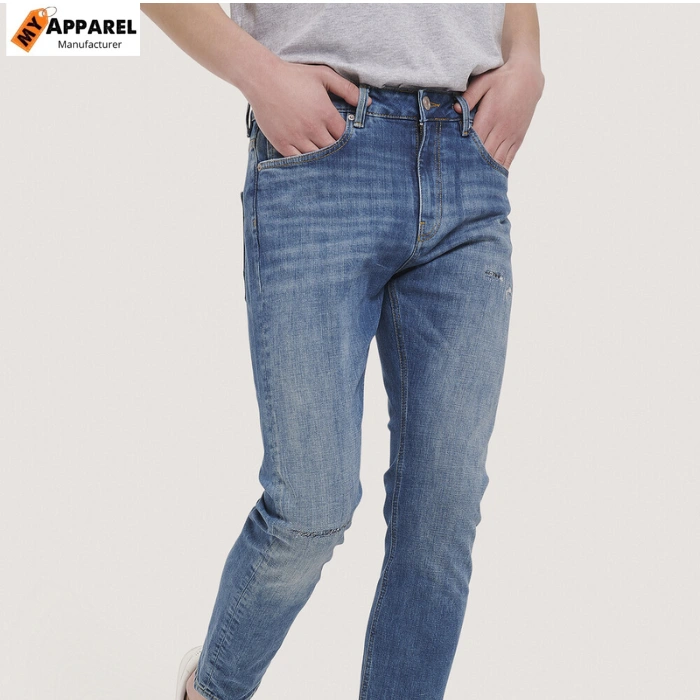
A clothing manufacturer becomes more than a production supplier when it can support product development, quality control, customization, and scaling.
For new brands, the right manufacturing setup can help reduce common production challenges such as:
- Unclear product specifications
- Poor sample development
- Inconsistent quality
- Excess inventory
- Branding mistakes
- Communication gaps
- Difficult production scaling
My Apparel Manufacturer provides OEM and ODM apparel manufacturing for fashion brands, retailers, and private-label businesses. Its services cover product development, fabric sourcing, sampling, manufacturing, branding, packaging, and quality control.
This gives brands one manufacturing partner to support different stages of their growth.
Final Thoughts
Building a clothing brand from scratch requires more than launching a few products. Brands need a production process that can support product development, quality, branding, and future growth.
With the right manufacturing partner, a new business can start with a focused collection, test products through smaller orders, improve based on customer feedback, and increase production as demand develops.
My Apparel Manufacturer helps make that process more practical through custom apparel development, low MOQ manufacturing, sampling, private labeling, quality control, and bulk production.
From the first product concept to a growing apparel collection, the Zero to Brand journey starts with building the right production foundation.
Frequently Ask Question
Build Your Brand With a Manufacturing Partner
Have a clothing concept ready for production? My Apparel Manufacturer can support you from product development and sampling to low MOQ manufacturing, private labeling, and bulk production.