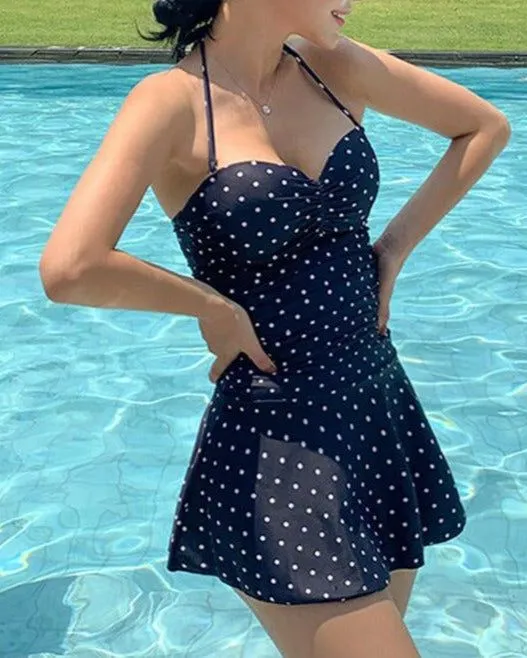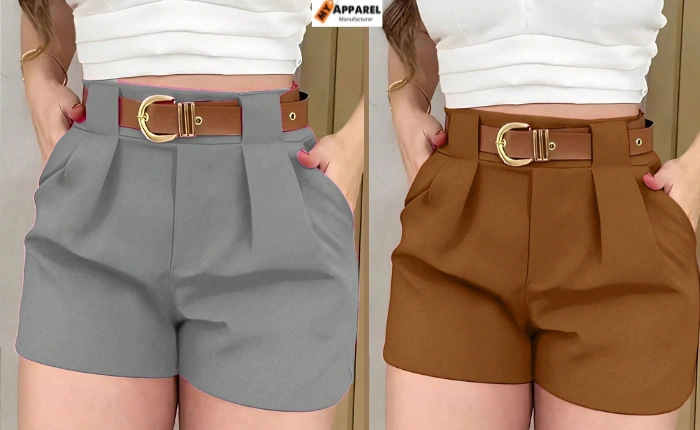



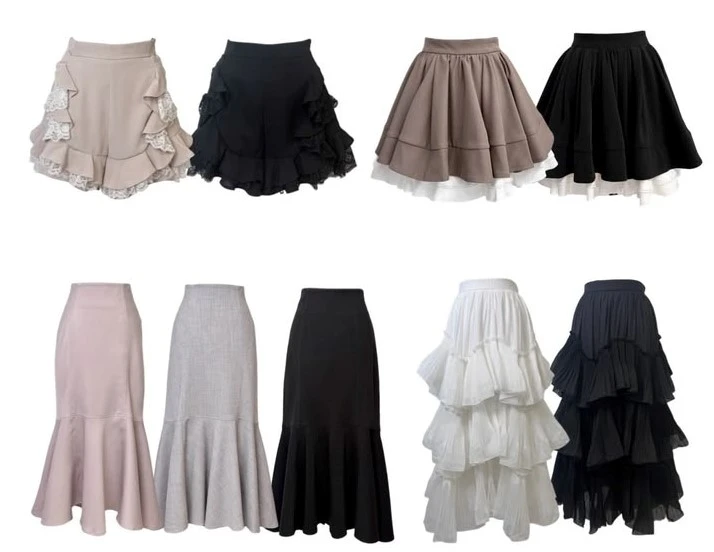
Women skirts remain a strong category for fashion brands because they offer flexibility across seasons, price points, and customer preferences. From structured pencil skirts to flowing tiered designs, each silhouette creates a different look and serves a different purpose.
For clothing brands, choosing the right skirt styles is about more than following trends. Fabric, fit, construction, finishing, and target customer all affect the final product.
At My Apparel Manufacturer, we help fashion brands develop and produce custom skirts based on their designs, fabric requirements, and collection goals. Our OEM and private label manufacturing services support brands that need consistent quality and flexible production options.
This guide covers 20 popular skirt styles and explains how brands can use them when building women’s clothing collections.

Why Women Skirts Matter for Fashion Brands
Skirts can work across casualwear, workwear, resort collections, partywear, and premium fashion lines. Their versatility also makes them useful for creating different products from related patterns.
For example, one basic skirt block can be adapted with:
- Different waistbands
- Pocket designs
- Pleats or gathers
- New hem shapes
- Decorative stitching
- Prints and embroidery
- Different fabric weights
This allows brands to build variety without creating an entirely different product concept for every style.
The right silhouette should also match the customer’s lifestyle. A lightweight wrap skirt may suit a resort collection, while a structured pencil skirt can work better for officewear.
20 Types of Women Skirts for Fashion Collections
1. A-Line Skirts
A-line skirts are fitted around the waist and gradually widen toward the hem. This creates a simple, balanced silhouette that works across many body types.
For brands, A-line skirts are useful for casual, office, and smart-casual collections. Cotton, linen, twill, and lightweight blended fabrics can all work well depending on the intended use.
Designers can also add pockets, buttons, belts, or prints to create different versions of the same basic silhouette.
2. Pencil Skirts
Pencil skirts have a slim shape that follows the body from the waist toward the hem. They are strongly associated with officewear and polished women’s fashion.
A brand can use pencil skirts for corporate collections, uniforms, formalwear, or evening styles.
Fabric selection is important because the skirt needs enough structure and comfort. Stretch cotton blends, suiting fabrics, and other fabrics with suitable recovery can help create a better fit.

3. Full Skirts
Full skirts use extra fabric to create a wider, flowing silhouette. They can be designed with gathers, pleats, or a fitted waistband.
These skirts work well for feminine collections, occasionwear, and seasonal fashion lines.
Lightweight cotton and viscose can create movement, while heavier fabrics can provide more structure.
4. Mini Skirts
Mini skirts have a shorter hemline and are popular in youthful and trend-focused collections. They can be produced in denim, cotton, twill, leather-look fabrics, and blended materials.
For fashion brands, mini skirts offer many styling possibilities. Details such as cargo pockets, contrast stitching, pleats, or decorative hardware can give the product a distinct identity.
The construction should also consider waistband stability and secure seams because these details affect comfort and durability.
5. Draped Skirts
Draped skirts use strategically placed fabric folds to create a soft and fluid shape. They are often used in eveningwear, contemporary fashion, and premium collections.
Draping works particularly well with fabrics that have good movement, such as satin, viscose, or other fluid materials.
For brands, this style can add a more sophisticated piece to a collection without relying on heavy decoration.
6. Layered Skirts
Layered skirts are constructed with two or more fabric sections placed over each other. The layers can create volume, movement, and visual depth.
They are suitable for casualwear, resortwear, children’s fashion, and romantic collections.
Brands can experiment with different fabrics, prints, lengths, and layer proportions. Using contrasting materials can also create a stronger visual effect.

7. Circle Skirts
Circle skirts are cut from a circular or semi-circular pattern. Their generous shape creates natural movement around the legs.
They are commonly used in vintage-inspired collections, summerwear, dancewear, and casual fashion.
Because the pattern requires more fabric than some fitted silhouettes, brands should consider fabric consumption during product costing and production planning.
8. Flared Skirts
Flared skirts widen toward the hem and provide more movement than straight silhouettes. They can range from a subtle flare to a dramatic shape.
This style works well for summer collections and everyday fashion. Cotton, linen blends, denim, and lightweight woven fabrics can all be used depending on the desired structure.
A controlled flare can also make a basic skirt design look more distinctive without adding complicated details.
9. Gored Skirts
Gored skirts are made from separate fabric panels that widen toward the bottom. These panels create a smooth flare while maintaining a relatively structured waist and hip area.
They are useful for brands that want movement without the fullness of a traditional circle skirt.
Panel construction also gives designers opportunities to combine colors, fabrics, or prints within one garment.
10. Godet Skirts
Godet skirts include triangular fabric inserts added to the lower part of the skirt. These inserts create additional fullness and movement near the hem.
Godet details are often seen in eveningwear, occasionwear, and statement fashion pieces.
The size and placement of the godets can significantly change the final silhouette. Brands should confirm these details during sample development before bulk production.
11. Trumpet Skirts
Trumpet skirts are relatively fitted through the waist and hips before flaring toward the lower hem.
This shape creates a dramatic silhouette and is suitable for eveningwear, formal collections, and fashion-forward designs.
Brands can adjust the flare, hem length, and fabric structure to create different levels of volume.
12. Wrap Skirts
Wrap skirts are designed with overlapping fabric panels that close around the waist. Depending on the design, they may use ties, buttons, snaps, or other closures.
They are practical for casualwear, resortwear, and summer collections because the adjustable construction can provide a flexible fit.
Lightweight cotton, linen, viscose, and blended fabrics are common options for this style.

13. Culotte Skirts
Culottes have a wide-leg construction that resembles a skirt while providing the coverage and movement of trousers.
They are useful for modern workwear, casual collections, travel clothing, and contemporary women’s fashion.
For brands, culottes can offer an alternative to traditional skirts. Fabric choice should provide enough drape and movement without making the garment appear overly bulky.
14. Pleated Skirts
Pleated skirts use folded fabric to create texture and controlled volume. Common pleat types include knife, box, and accordion pleats.
They can be designed for schoolwear, workwear, casual fashion, and premium collections.
Pleats need accurate pressing and consistent spacing during production. Brands should therefore pay close attention to sample approval and production quality control
15. Asymmetrical Skirts
Asymmetrical skirts have an uneven hemline or an irregular design that creates a more modern appearance.
They work particularly well for trend-driven collections and statement pieces.
The asymmetrical shape can be subtle, such as a slightly angled hem, or more dramatic with layered and extended panels.
For production, the pattern needs careful development because an uneven hem must remain balanced when worn.
16. Bubble Skirts
Bubble skirts have a rounded silhouette created by gathering or shaping the lower portion of the garment.
They provide a playful and fashion-forward look and can be used in contemporary collections.
Brands can adjust the volume to make the style either subtle or dramatic. Lightweight structured fabrics can help maintain the intended shape.
17. Cowl Skirts
Cowl skirts feature soft, draped fabric that creates folds around the front or sides of the garment.
They are often associated with elegant evening and occasionwear.
Fluid fabrics are generally suitable because they allow the cowl effect to fall naturally. Pattern placement and fabric weight should be tested during sampling to achieve the intended drape.
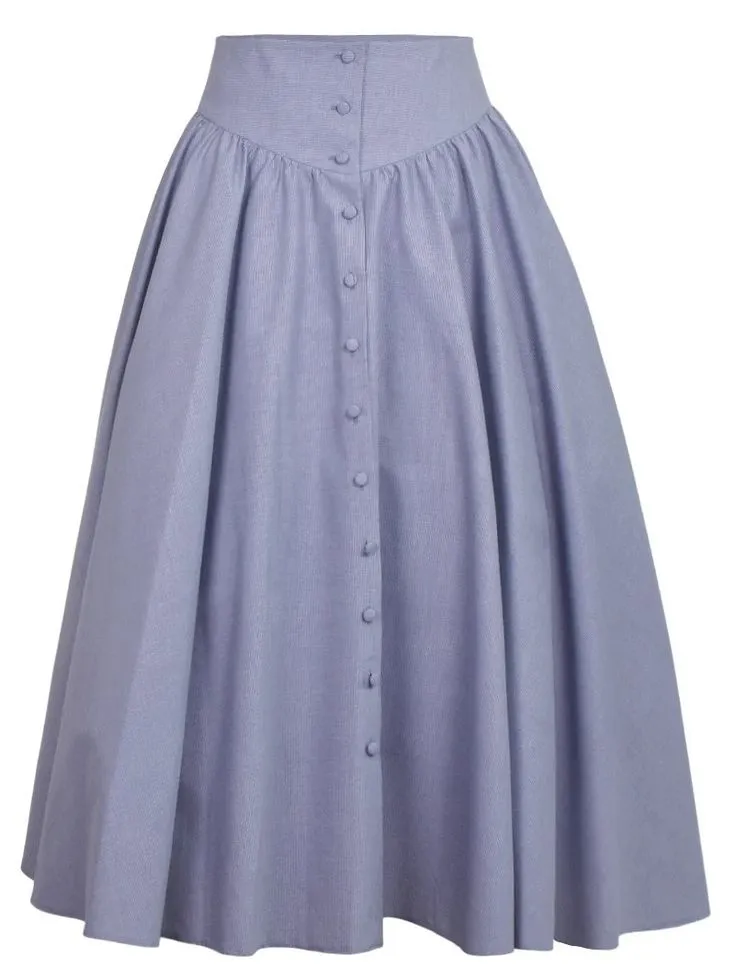
18. Yoke Skirts
Yoke skirts have a fitted section around the waist or upper hip. The lower section may include gathers, pleats, or a fuller shape.
This construction combines a defined waist with additional room below it.
Yoke skirts can be adapted for casual, bohemian, and everyday collections. Brands can also use the yoke as a design area for embroidery, contrast fabric, or decorative stitching.
19. Tulip Skirts
Tulip skirts have overlapping panels that create a shape inspired by flower petals. The design usually becomes narrower toward the lower part of the skirt.
This silhouette can work for officewear, evening collections, and contemporary fashion.
Brands can make the style more distinctive through wrap details, contrast panels, textured fabrics, or carefully placed seams.
20. Tiered Skirts
Tiered skirts are constructed from multiple horizontal fabric sections joined together. Each tier can add volume and movement.
They are especially popular for summerwear, resort collections, casualwear, and bohemian-inspired fashion.
The number and width of tiers can be adjusted according to the desired silhouette. Lightweight cotton, viscose, and similar fabrics are suitable for creating soft movement.
How to Choose the Right Skirt Styles for Your Brand
Not every skirt style needs to be included in one collection. The better approach is to select styles based on your customer, price range, season, and brand identity.
Consider these factors before finalizing your designs:
Target customer: Identify the age group, lifestyle, and preferences of your customers.
Collection purpose: Officewear requires different silhouettes from resortwear or partywear.
Fabric availability: Some designs need fluid fabrics, while others require structure and stability.
Production complexity: Pleats, draping, godets, and multiple panels may require more sampling and production control.
Target price: Fabric consumption, trims, construction time, and finishing all affect the final cost.
Season: Lightweight fabrics work well for warm-weather collections, while heavier fabrics can support autumn and winter products.
A focused collection with complementary silhouettes can be more effective than offering too many unrelated designs.
Fabric Choices for Women Skirts
Fabric has a direct effect on the appearance, comfort, and performance of a skirt. The right material depends on the silhouette and intended use.
| Fabric | Suitable Skirt Styles | Key Benefit |
| Cotton | A-line, mini, tiered, wrap | Comfortable and versatile |
| Linen | A-line, wrap, full | Lightweight and breathable |
| Denim | Mini, A-line, fitted | Durable and structured |
| Viscose | Draped, tiered, cowl | Soft and fluid |
| Twill | Mini, A-line, gored | Strong and structured |
| Suiting fabric | Pencil, fitted | Polished appearance |
| Satin | Draped, cowl, evening styles | Smooth and elegant |
Brands should also consider shrinkage, colorfastness, fabric weight, stretch, recovery, and care requirements before approving a material.
Custom Women Skirts for Fashion Brands
Custom skirt manufacturing allows brands to develop products that match their own designs rather than relying on standard wholesale styles.
A typical development process may include:
- Design review – The manufacturer reviews the sketches, measurements, and construction requirements.
- Fabric selection – Suitable fabrics and trims are evaluated for the design.
- Pattern development – The pattern is created according to the approved measurements.
- Sample production – A physical sample is developed for fit and construction review.
- Sample revisions – Necessary changes are made before bulk production.
- Bulk manufacturing – Approved specifications are followed during production.
- Quality inspection – Finished garments are checked for defects, measurements, stitching, and overall quality.
- Packing and shipment – Products are prepared according to the brand’s packaging and shipping requirements.
This process helps reduce production problems and ensures that the final garments stay closer to the approved design.
Why Choose My Apparel Manufacturer for Skirt Production?
At My Apparel Manufacturer, we support fashion brands with OEM and ODM apparel production in China.
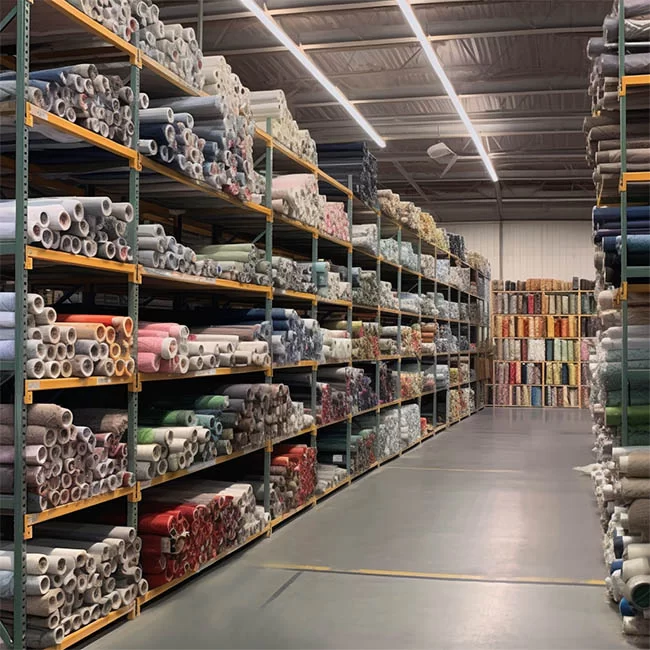
Our services can cover design development, fabric sourcing, pattern making, sampling, bulk production, quality control, and custom packaging.
We offer a minimum of 50 pieces per style and color, making our production model suitable for both emerging brands and established clothing businesses.
Our manufacturing capabilities include:
- Custom OEM and ODM production
- Private label apparel manufacturing
- Fabric sourcing
- Pattern development
- Sampling and prototyping
- Bulk garment production
- Quality inspection
- Custom labels and packaging
Brands can also develop different skirt silhouettes within the same production partnership. This makes it easier to build coordinated collections while maintaining consistent manufacturing standards.
Conclusion
Women skirts offer fashion brands a wide range of opportunities across casualwear, workwear, resortwear, eveningwear, and contemporary collections.
The 20 styles covered in this guide show how different silhouettes can serve different customers and product categories. However, successful skirt production depends on more than choosing a style. Fabric, pattern accuracy, fit, construction, finishing, and quality control all influence the final product.
My Apparel Manufacturer helps brands turn skirt concepts into production-ready garments through OEM and ODM manufacturing services. With custom development, low MOQ production, fabric sourcing, sampling, and quality control, brands can build skirt collections that match their market and brand identity.