



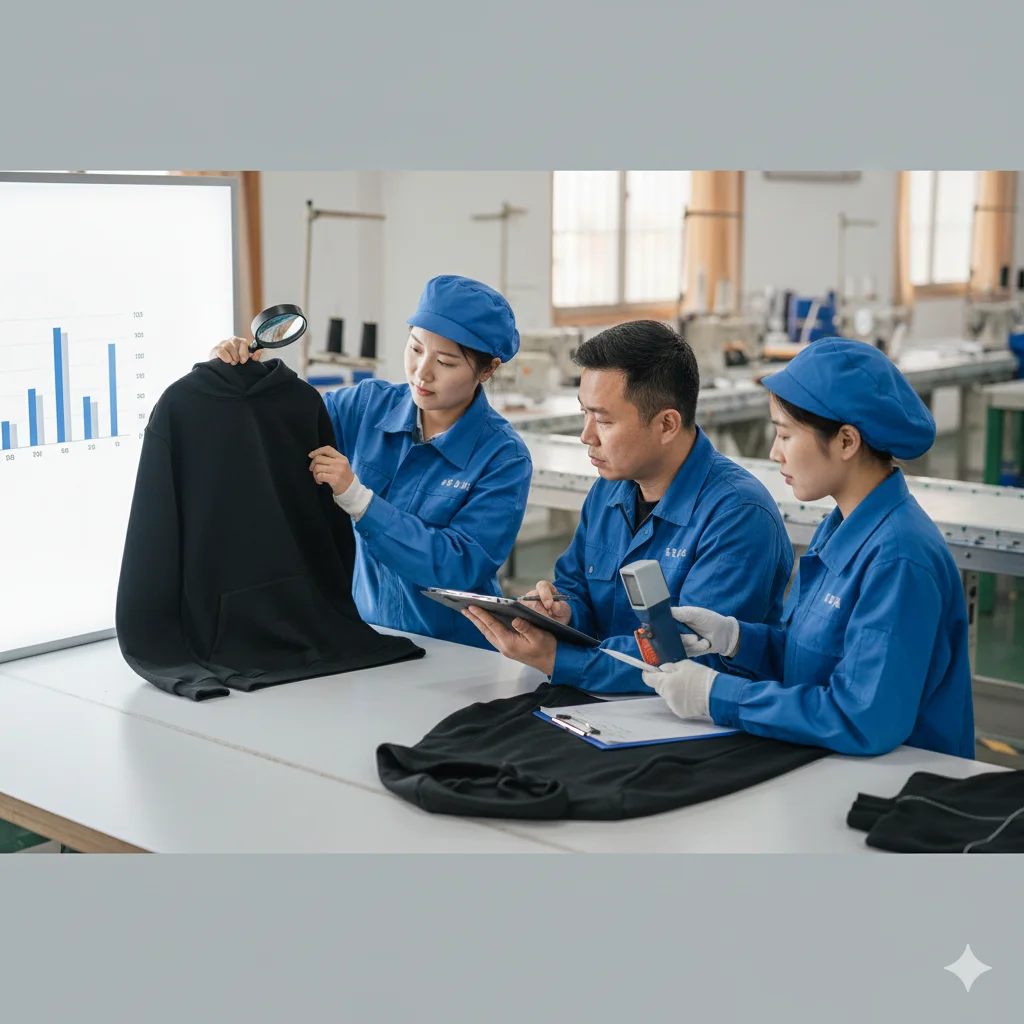
The Quality Problem Many Fashion Brands Discover Too Late
Premium Apparel Quality is often the difference between a fashion brand that builds long-term customer loyalty and one that struggles to retain buyers. One Toronto-based fashion startup learned this lesson the hard way while attempting to break into the high-end streetwear market. Backed by ambitious goals, strong momentum, and a high-profile launch campaign, the brand generated significant excitement. Influencers showcased the collection to thousands of followers, and the initial product release sold successfully. At first glance, the company appeared to be on track for rapid growth.
However, the real challenge emerged after customers received their orders. Within weeks, feedback began highlighting quality issues that had gone unnoticed during production. Some garments shrank after washing, neck ribbing became distorted, stitching near the shoulders started to unravel, and several customers reported cracked prints much sooner than expected. While the products looked impressive in marketing materials and online photos, they failed to deliver the premium experience customers had been promised.
As complaints increased, refund requests followed, and negative reviews began appearing online. Despite substantial investments in advertising and influencer partnerships, repeat sales remained disappointingly low. Marketing efforts continued to attract new customers, but existing customers were not returning. This is a common challenge for fashion brands that prioritize promotion while overlooking product quality. Marketing can capture attention and drive initial sales, but it cannot create lasting customer loyalty on its own. The true test begins when customers experience the product firsthand.
Today’s consumers are far more quality-conscious than many fashion startups realize. They immediately notice factors such as fabric softness, stitching durability, sizing consistency, print quality, and overall comfort. These product attributes often have a greater influence on brand perception than advertising messages or social media campaigns. A visually appealing website may encourage a first purchase, but a high-quality garment is what earns trust and drives future sales.
For modern streetwear brands, luxury casualwear labels, and private-label apparel companies, premium apparel quality remains one of the strongest drivers of customer loyalty. Brands that consistently deliver durable, comfortable, and well-constructed garments create positive customer experiences that encourage repeat purchases, strengthen brand trust, and support sustainable long-term growth.
Why Product Quality Matters More Than Ever
In the current era, fashion lovers have an unlimited choice to shop online. They constantly shop products across social media, ecommerce stores and fashion marketplaces. This is why the quality of garments is continually anticipated to get better every year.
A customer can become a customer once due to the appealing branding or influence marketing. They are likely to come back because of the experience the product provides.
Oftentimes the experience of that depends more on how well the product is manufactured than on the marketing.
When customers perceive that the company is reliable with the apparel they’ve purchased, they will be more inclined to return for further orders. They are familiar with what will happen. The size is comfortable. Clothing remains in shape after laundering. Colors remain stable. Stitching stays intact. The product retains its feel of quality for weeks or months afterwards.
A brand consistently maintains their look, messages, customers and quality across all of its products. When customers feel more comfortable, confident and emotionally connected with the brand.
Poorly-made clothes do just the opposite. Any flaws in the production can slowly affect long-term customer relationships. While it is impossible to have a public grievance, many customers immediately cease buying from the organization once they have voiced their complaint.
This becomes particularly relevant in high-end streetwear and contemporary clothing sectors where repeat customers are the source of most of the long-term profits.

From First Purchase to Brand Loyalty: The Power of Product Quality
A good first impression may encourage customers to place their first order, but it is the product experience that determines whether they return for a second purchase. If your product does not work for long terms then customers will not come back, and they notice things, like how soft the fabric is, how well the stitches hold, how good the print looks and how well the sizes fit.
Low-quality apparel often develops problems such as:
- collar stretching
- fading fabric
- twisted side seams
- shrinking after washing
- cracked printing
- loose stitching
Customers notice these details quickly because they affect daily wear experience directly.
Premium-quality garments behave differently over time because the manufacturing process focuses on durability instead of only appearance during shipment.
Professional apparel manufacturers carefully monitor:
fabric quality,
stitch density,
pattern accuracy,
wash testing,
fabric shrinkage,
and overall construction consistency throughout production.
The result is a garment that continues performing well long after the initial purchase.
That long-term satisfaction plays a major role in customer loyalty because customers remember how products actually performed, not just how they looked in advertisements.
Fabric Quality Creates Immediate Brand Perception
The first thing that a customer physically interacts with when purchasing garments from a specific clothing brand is fabric.
Prior to even noticing logos and branding features, customers will touch and feel the material itself.
High-end fabrics can be easily communicated via:
- softness,
- weight,
- texture,
- structure,
- and overall comfort.
For instance, heavyweight cotton fabrics still enjoy immense popularity in premium streetwear due to their ability to offer greater structure and durability than lightweights.
French terry fabrics are often used in luxury casualwear due to their combination of comfort and structure.
Organic cotton is gaining immense popularity among sustainable fashion brands that strive for long-term customer relations.
Professionals working for apparel manufacturing companies assist brands with selecting fabrics depending on product requirements, expectations, environmental conditions, and pricing strategy.
The choice of fabric will influence the following factors:
- customer satisfaction,
- product lifespan,
- brand image,
- and purchase intention.
Even though customers might not comprehend all garment specifications, they can definitely feel whether or not something feels luxurious.

Fit Consistency Is One of the Biggest Drivers of Repeat Purchases
Fit consistency is one of the most overlooked areas in apparel manufacturing.
A customer who buys a medium oversized hoodie from a brand expects future medium products to fit similarly. When sizing changes unpredictably between collections, customer confidence drops quickly.
This is one reason many low-quality fashion startups struggle with retention despite strong marketing performance.
Professional cut and sew apparel manufacturing focuses heavily on pattern engineering and grading consistency. Small measurement adjustments can completely change how garments fit across different body types.
Premium apparel manufacturers carefully manage:
shoulder balance,
sleeve proportions,
garment drape,
neck opening dimensions,
and grading consistency between sizes.
Reliable sizing creates trust because customers feel safer purchasing again without worrying about unpredictable fit problems.
For online fashion brands especially, consistent sizing reduces hesitation during checkout and improves customer confidence over time.
Construction Quality Quietly Shapes Brand Reputation
Most customers will never ask technical questions about garment construction, such as how many stitches per inch are used, how wide a seam is, or how tightly a stitch is sewn. What they do notice, however, is when a garment fails to meet their expectations.
A T-shirt that twists after its first wash, a hoodie that loses its shape after only a few wears, or seams that begin to unravel can quickly damage a customer’s perception of a brand. While these issues may seem minor during production, they often become major problems once the product reaches the market.
Many low-cost manufacturers reduce expenses by increasing sewing speeds, lowering stitch density, using lower-quality thread, or minimizing quality control procedures. Although these shortcuts can reduce production costs in the short term, they often result in higher return rates, negative reviews, and dissatisfied customers.
Poor construction typically reveals itself through uneven seams, stretched or distorted ribbing, twisted side panels, fabric that fails to retain its shape, or stitching that comes undone after repeated washing. Customers may not understand the technical causes of these defects, but they can immediately recognize the difference between a well-made garment and a poorly constructed one.
Premium apparel manufacturing takes a different approach. Experienced pattern makers and production specialists carefully oversee every stage of the process, from pattern alignment and seam construction to machine calibration and finishing standards. This attention to detail ensures garments maintain their structure, fit, and appearance long after purchase.
As customers continue to wear products that hold their shape, perform well, and withstand regular use, they begin to associate that reliability with the brand itself. Each positive experience strengthens trust, encourages repeat purchases, and reinforces perceptions of quality.
Over time, construction quality becomes more than a manufacturing detail—it becomes a defining element of the brand’s identity. While marketing campaigns may attract customers initially, it is the product’s quality and performance that create long-term loyalty and lasting brand value.
Cheap Manufacturing Often Creates Expensive Business Problems
When starting a collection, many fashion brands are more concerned about getting the lowest possible price on the production of the garments. The figures can be good-looking on paper. Reduced manufacturing costs means higher profit margins and lower start-up costs for products to reach the market. But, as it may sound like a cost-cutting measure, it can actually end up as a much bigger expense when products are on customer’s shelves.
In reality, it’s difficult to have bad manufacturing without it getting noticed. After wearing the product, it is observed that the size is inconsistent, stitches are not strong, the fabric is shrinking, fading prints, etc., are observed by the customer. When expectations are not met, there is a series of issues that follows, far beyond the initial production cost, that brands often find themselves facing.
| Short-Term Savings | Long-Term Business Cost |
| Lower garment production cost | Increased refund and return requests |
| Cheaper fabrics and materials | Negative product reviews |
| Minimal quality control | Customer complaints and support costs |
| Faster, lower-cost production | Inventory replacement expenses |
| Reduced development costs | Lower customer retention rates |
| Lower initial investment | Damage to brand reputation |
Today’s consumers are more connected and vocal than ever. There is nothing that can ruin a product experience faster than a negative review on TikTok, Reddit, Instagram stories, YouTube, or an ecommerce review site. A single bad thing can be discovered by thousands of potential customers in days, not weeks or months, and recovery will be far more costly than proactively investing in quality production from the get-go.
High-end apparel making demands more stringent fabric sourcing, pattern development, garment construction and quality control. This may be more expensive upfront but will lead to a more satisfying customer experience, better reviews, higher satisfaction and repeat purchases in the long run.
Many brands are finding that when they invest in sustainable growth, they are able to keep customers they have instead of having to pay for new ones. If customers have faith in the quality of the products they buy, they’ll come back for more, tell friends and family about the brand, and become loyal customers. This means that established brands that have a high level of customer retention may not have to use as much aggressive advertising and not incur as much profit loss in the long term.
The least expensive apparel manufacturing is not always the least expensive. The true cost of production should not only be the amount that a brand pays to the factory, but also the impact that the finished product has on the customer’s satisfaction, reputation, and business growth.
The Psychology Behind Premium Apparel Loyalty
| Psychological Factor | How Premium Apparel Influences Customers | Impact on Brand Loyalty |
| Confidence | Well-made garments fit better, look better, and help customers feel more confident in daily life. | Increases repeat purchases and brand preference. |
| Comfort | Premium fabrics, better construction, and consistent sizing create a superior wearing experience. | Encourages customers to return for future purchases. |
| Status & Perceived Value | High-quality apparel often signals professionalism, taste, and attention to detail. | Strengthens emotional connection with the brand. |
| Self-Expression | Premium clothing allows customers to express their personal style and identity more effectively. | Creates deeper brand attachment and loyalty. |
| Trust | Consistent product quality builds confidence that future purchases will meet expectations. | Reduces purchase hesitation and increases retention. |
| Customer Satisfaction | Durable garments maintain their appearance and performance over time. | Generates positive reviews and repeat business. |
| Lifestyle Alignment | Premium apparel often reflects customers’ values, such as quality, craftsmanship, and sustainability. | Builds long-term relationships beyond individual purchases. |
| Reduced Replacement Needs | Higher-quality garments last longer and perform better after repeated wear and washing. | Reinforces the value customers receive from the brand. |
Today, many consumers are moving away from disposable fast fashion and investing in fewer, better-quality garments. When a brand consistently delivers premium products that meet both functional and emotional expectations, customers develop loyalty that competitors often struggle to break through discounts or short-term marketing campaigns alone.
Why Many Premium Fashion Brands Manufacture in China
China remains one of the world’s leading apparel manufacturing hubs because it offers a combination of production expertise, supply chain efficiency, and scalability that is difficult to match elsewhere. Premium fashion brands often choose Chinese manufacturers because they can support both small development runs and large-scale production while maintaining consistent quality standards.
Key advantages of manufacturing in China include:
- Access to advanced apparel manufacturing machinery
- Experienced garment technicians and production teams
- Strong cut-and-sew manufacturing capabilities
- Large-scale production capacity for growing brands
- Extensive fabric sourcing networks
- Competitive production costs compared to many Western countries
- Reliable quality-control and inspection systems
- Faster development of samples and prototypes
- Wide range of printing and embroidery techniques
- Custom private label and OEM manufacturing services
- Flexible customization options for premium apparel
- Efficient packaging and fulfillment solutions
- Established international shipping and logistics networks
- Ability to manage complex apparel collections under one roof
Many premium fashion brands also rely on Chinese manufacturers for complete production services, including:
- Product development and consultation
- Pattern making and fit engineering
- Fabric sourcing and material recommendations
- Sample development and revisions
- Screen printing and embroidery
- Garment dyeing and washing treatments
- Private labeling and branding
- Custom packaging and hangtags
- Bulk production management
- Final quality inspections
- Export documentation and international shipping
By partnering with experienced manufacturers, fashion brands can spend more time growing their business, launching new collections, improving customer experience, and expanding their market presence while production operations are handled by dedicated manufacturing specialists.
How My Apparel Manufacturer Supports Premium Fashion Brands
- Building a successful fashion brand requires more than creative designs and strong marketing. The quality of the final product plays a major role in how customers perceive your brand, whether they return for future purchases, and how confidently they recommend your products to others. This is where My Apparel Manufacturer helps fashion businesses create a lasting impact.
- My Apparel Manufacturer partners with fashion startups, streetwear labels, established clothing brands, and private label businesses that want to develop premium-quality apparel without compromising on craftsmanship. Rather than offering a one-size-fits-all production model, the company works closely with each client to understand their brand vision, target audience, quality expectations, and growth goals.
- From the earliest development stages, brands receive guidance on fabric selection, garment construction, fit development, and production planning. Whether a brand is creating heavyweight streetwear essentials, oversized T-shirts, premium hoodies, French terry sweatshirts, or a complete cut-and-sew collection, every detail is carefully considered to ensure the final product reflects the brand’s identity and quality standards.
- The manufacturing process combines premium fabric sourcing, accurate pattern development, professional stitching techniques, and strict quality control procedures. Through custom embroidery, screen printing, private labelling, branded packaging and more, brands can personalise their products so that the product feels unique and not generic. All of our products are made to be durable, comfortable, consistent and satisfying to our customers over the long haul.
- My Apparel Manufacturer helps brands through the entire production journey, not just manufacturing. This includes sampling, GSM recommendations, fit adjustments, production scheduling, quality inspections, and international shipping coordination. The objective is not simply to manufacture clothing efficiently but to help brands build products that customers genuinely enjoy wearing and confidently return to purchase again.
- For fashion brands aiming to compete in premium markets, manufacturing quality often becomes a major competitive advantage. By combining experienced production management with scalable manufacturing solutions, My Apparel Manufacturer helps transform product ideas into retail-ready garments that support long-term brand growth and stronger customer loyalty.
Real Production Example
A UK-based premium streetwear brand was preparing to launch its third seasonal collection after experiencing steady growth during its first two years in business. While sales were increasing, the company noticed a concerning trend: customer retention rates were lower than expected.
Customer reviews revealed recurring complaints about garment durability. Some hoodies showed excessive shrinkage after washing, sizing varied between production batches, and certain printed graphics began cracking sooner than customers anticipated. Although the designs were well received, the overall product experience was limiting repeat purchases.
To address these issues, the brand partnered with a manufacturer specializing in premium apparel production. The new collection featured 400 GSM French terry fabric, reinforced shoulder seams, improved quality-control inspections, and wash-tested printing techniques.
The sampling process took 14 days and required two fit revisions before approval. Bulk production of 780 garments was completed within 32 days.
The results became clear within the first three months after launch. Repeat customer purchases increased by 34%, product return rates fell by 29%, and average customer review scores improved from 4.1 to 4.7 stars. The brand also reported stronger engagement from existing customers when the next collection was released.
The improvement was not driven by additional advertising spend or promotional discounts. Customers responded positively because the garments delivered a more consistent and premium ownership experience. Better manufacturing quality helped strengthen trust, and that trust translated directly into long-term customer loyalty.
Final Thoughts
Customer loyalty in fashion does not usually develop because of marketing alone.
Loyalty arises when the products fulfil customer expectations regarding quality, comfort, longevity, and accurate fit.
The production of top-quality apparel enables brands to achieve this automatically.
Excellent fabrics, professional garment manufacturing, proper sizing, and effective quality control all lead to building the customer’s trust.
Modern-day fashion brands that compete in premium markets can no longer depend on visual appeal or marketing alone.
Ultimately, customers will assess fashion brands by the performance of their garments after several weeks or months of wear.
Many times, the best customer loyalty programme starts well before any marketing initiatives are developed.
It starts with garment manufacturing.
Get a Premium Apparel Manufacturing Quote in 10 Minutes
My Apparel Manufacturer helps fashion brands produce premium-quality apparel designed for long-term customer satisfaction and repeat purchases. From heavyweight hoodies and oversized T-shirts to complete cut-and-sew collections, every product is developed with careful attention to fabric sourcing, fit consistency, construction quality, printing, embroidery, labelling, and packaging. Send your tech pack, design, or even a rough idea and receive fabric recommendations, MOQ details, lead time estimates, customisation options, and per-unit pricing within 10 minutes during business hours.


