



See how chemical resistant clothing is made for apparel brands. Explore materials, manufacturing processes, quality control, and custom production options.
Chemical resistant clothing is used to protect workers from harmful chemicals in pharmaceuticals, labs, manufacturing, and oil and gas. Protection that will work is dependent on the type of fabric, how it is constructed, the seams and the finishing, depending on the work environment.
It is also crucial for the apparel brands to understand the manufacturing process for the development of protective workwear. The right materials, patterns, construction and quality checks produce durable and comfortable clothing.
What Is Chemical Resistant Clothing?
Chemical resistant clothing is work clothing that is designed to minimize the contact between the skin and harmful chemicals. It is used when workers in a workplace are likely to come into contact with chemicals during their normal activities, such as handling them, cleaning them up or splashes.
Protection varies from chemical to chemical, depending on the concentration, exposure duration, and material of the clothing worn. Chemical resistant clothing may help protect against certain hazards, however, no one fabric is resistant to all chemicals.
Chemical Splash vs Direct Contact
Chemical splash protection is intended for short or accidental exposure, e.g., spills or splashes while handling. Direct contact implies longer exposure periods and could necessitate the use of special materials, coatings, seams and garment designs.
That’s why it is important that brands and manufacturers match the fabric and garment construction to the use. The material that is effective against acids may not be effective against solvents, oils or other chemicals.
Materials Used in Chemical Resistant Clothing
The material is a large factor in the performance of a garment in relation to chemicals. Various fibers, coatings and protection layers provide varying levels of resistance. When choosing materials, brands need to take into account chemical hazards, exposure, durability, comfort, as well as the purpose of the material.

Polyester and Polyester Blends
Polyester is a popular choice for workwear materials as it provides strength, durability and dimensional stability. For workwear that lasts over time, polyester-cotton is the ideal combination.
In general, however, untreated polyester cannot be expected to withstand all chemicals. Its performance is influenced by the chemical and if treated, the type of treatment used on the fabric.
PVC-Coated Fabrics
PVC-coated fabrics are a type of fabric that is coated with PVC. This coating can be used as a barrier to several liquids and is frequently utilized for aprons, jackets, trousers and other protective clothing.
The thickness and the composition of the coating can influence flexibility, durability and resistance. When choosing the coating, the brands should specifically consider the chemical to which the coating is to be exposed, rather than just the coating name.
Polyethylene and Polypropylene
Polyethylene and polypropylene are lightweight materials, frequently used where splash and splash resistance and protection against some chemical hazards are needed. They can be incorporated into disposable and limited use protective clothing.
The resistance of these materials varies from chemical to chemical, and should always be verified with the chemical of interest. The level of protection required also depends on exposure time and working conditions.
Neoprene and Other Protective Materials
Neoprene is a synthetic rubber that can withstand some oils, acids, alkalis and other chemicals. It is frequently employed in situations that require both flexibility and a barrier.
Other specialized materials may include fluoropolymers, butyl rubber, or multi-layer barrier fabrics. Each option has different performance characteristics, so the right choice depends on the garment’s application and required protection. GORE-TEX Professional provides chemical-protective garment technologies for demanding work environments.
How Fabric Treatments Improve Chemical Resistance
Fabric treatments and coatings provide a barrier to liquids and selected chemicals. Depending on the use, treatments can also be used to improve durability, water repellency or maintenance.
My Apparel Manufacturer takes into account application and specifications, construction, comfort and durability when creating a chemical resistant fabric solution. The use of materials should be in accordance with the product requirements so that the brand can create workwear that fits their target use.
Types of Chemical Resistant Clothing
Chemical protection varies depending on the type of work performed and the type of chemical exposure. The appropriate clothing will vary depending on the type of chemical, level of exposure, and length of exposure. When it comes to brands, fit, mobility, comfort and practical garment construction are also important considerations for the right design.
Chemical Resistant Coveralls
Coveralls are designed to cover more of the body and are typically worn when workers might be exposed to chemicals splashed in several areas. They can feature long sleeves, closures that are covered, elastic cuffs, and other protective features. When manufacturing protective clothing, strong seam construction is used to reduce weak areas in protective clothing.
Chemical Resistant Jackets and Trousers
Jackets can be worn alone with trousers if workers require flexibility and/or protection of specific parts of their body. They may utilize protective fabrics, coatings, reinforced locations, locked closures, and functional pockets. This also provides brands greater flexibility in developing specific collections for various industrial uses of workwear.
Protective Aprons
An additional barrier is added across the front of the body during splashes or spills by using protective aprons. They can be using coated fabrics or other barrier material, depending on the application. Durable attachment points and adjustable straps make aprons comfortable and secure when used over and over again.
Chemical Resistant Work Shirts
Work shirts can be created for environments that require workers to wear their daily industrial garments that have the capability to resist a certain chemical hazard. The performance of the garment is affected by the choice of fabric, sleeve construction, closures and fit.
For brands creating chemical-resistant clothing, it is important to establish the application and material specs before production. This enables the manufacturer to match fabric specification with the use of the garment.
Disposable vs. Reusable Protective Clothing
Disposable garments are typically used for one-use or limited use situations where contamination prevention is important. They are also lightweight and versed to be used for short term exposure.
The reusable garments are made with more durable fabrics, coatings, and methods and can be used more than once. They can be appropriate for heavy-duty applications that require frequent laundering or cleaning.
This selection will be dependent on the type of chemical hazard and exposure. Also take into account the service life and safety needs of the garment. For brands these factors should be established at the creation of the product. This will guarantee that the garment design and the specification of the material used in the garment are in accordance with the purpose for which it is being used.
How Chemical Resistant Clothing Is Manufactured
Making chemical resistant clothing isn’t simply about picking the correct fabric. All of the above aspects of material, pattern, constructions, protection, and quality control should be integrated to serve the purpose for which they are intended.
Fabric Selection and Sourcing
The chemical exposure, durability, comfort and garment needs are used to determine the fabric choice. My Apparel Manufacturer materials are sourced based on the brand’s specifications and intended applications, with samples reviewed prior to bulk production as necessary.
Pattern Development
Patterns are created based on the measurement, fit and design. Proper coverage, comfort and consistency in production is maintained through using accurate patterns. Brands can give tech packs, samples or measurements for custom development.
Cutting and Preparation
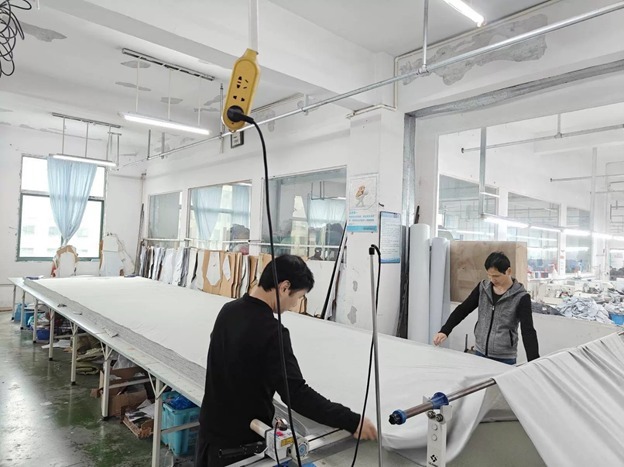
Fabric used for cutting is cut accurately and consistently using approved patterns. When cutting, a proper cutting method will reduce materials waste and guarantee that each garment panel is cut with the same size.
Garment Construction and Seam Quality
Fabric panels are built to approved construction specifications. Careful attention is paid to the stitching, seam placement and reinforcement as weak seams may impact the quality and performance of the garment.
Closures and Protective Details
The selection of zippers, snaps, cuffs, collars, protective flaps, and other details are chosen based on the style and purpose of the garment. These parts should be functional yet not restrictive of movement or discomfort.
Finishing and Final Inspection
Garments are inspected for loose threads, stitching faults, size errors, stains and other issues. Garments are approved by final inspection before being packaged and shipped.
My Apparel Manufacturer supports the custom apparel development process from fabric sourcing, pattern development, sampling, bulk production and more. Final inspection provides brands with assurance of consistency throughout the production.

Custom Chemical Resistant Clothing for Brands
Each industry, workforce and product can have different requirements for protective garments, which brands must provide. Brands have control over garment design, materials, fit, branding, and specifications of the custom chemical resistant clothing they create.
Custom Designs and Colors
Brands can create clothing based on their preferred style, color, coverage and functional requirements. There are design details that can be tweaked to suit the application, but without compromising the practical fit.
Fabric Specifications and Sizing
The type of fabric, weight, coating, construction and other specifications depending on the product requirements can be defined. Custom sizing and grading also assist the brand in delivering constant fit and grade throughout its line.
Labels and Branding
Garment design can include custom labels, logos, prints, embroidery and other branding elements. These details are useful for companies of workwear to have, in order to ensure the uniformity of the visual identity.
Tech Packs and Sampling
A tech pack can be used to convey measurements, materials, construction, labels and finishes to the manufacturer. Samples are then created and evaluated prior to bulk manufacturing.
Bulk Production
As long as they approve the sample and specifications, production can enter the stage of mass production. Employing uniform patterns, materials, construction, and quality checks ensures uniformity throughout the order. A seasoned apparel manufacturer can make production efforts easy and ensure that garments meet the approved specifications.
Industries That Use Chemical Resistant Clothing
Chemical resistant clothing is worn in industries where employees come into contact with chemicals, liquids, or material that contains chemicals. The type of garment and level of protection will depend on the risk level and exposure of the workplace.
Chemical Manufacturing
Workers at chemical processing plants might need protective clothing when working with acids, solvents and alkalis. Clothing is chosen depending on the chemicals that will be used and the type of exposure that is anticipated.
Pharmaceutical Industry
Chemicals, cleaning agents, and other chemicals used in the pharmaceutical production process can necessitate specialized protective workwear. Clothing items should also meet hygiene and job requirements.
Oil and Gas
Oil and gas workers can be exposed to fuels, oils, solvents and any other chemicals. Protective garments that are durable should be worn during handling and maintenance operations if necessary for the job to achieve suitable protection.
Industrial Manufacturing
Chemicals may be used in the factories for processing, cleaning, coating, or maintenance. Chemical exposure protective clothing can be designed based on the hazards and working environment.
Laboratories
Protective clothing is often necessary in the laboratory when working with chemicals in a controlled environment. The type of garments required will vary with the chemicals used and the level of protection needed.
Cleaning and Maintenance
Teams of industrial cleaners or maintainers may handle concentrated cleaning agents, solvents, and other chemicals. These tasks can be reduced and direct contact minimised by using protective garments.
How to Choose a Chemical Resistant Clothing Manufacturer
Choosing the right manufacturer is important when developing chemical resistant work clothing. Look for a partner with experience in protective apparel, reliable fabric sourcing, customization capabilities, and strong quality control. Brands should compare manufacturers based on material knowledge, customization, quality control, and production capabilities. Gempler’s is an example of a supplier offering chemical-resistant protective clothing for workplace applications.
Key factors include:
- Manufacturing experience: Experience with industrial and protective garments.
- Fabric sourcing: Ability to source materials according to your specifications.
- Customization: Custom designs, colors, sizes, labels, and functional details.
- Sampling: Sample development before bulk production.
- Quality control: Consistent fabric, stitching, measurement, and final inspections.
- Production capacity: Ability to meet your order volume and timeline.
- Technical specifications: Experience working with tech packs and detailed requirements.
- Communication: Clear updates throughout sampling and production.
Chemical Resistant Clothing Standards & Safety
Standards and safety requirements provide guidance to brands and manufacturers when choosing garments for the specific chemical hazards. Clothing that is to be used to resist chemicals should be assessed based on the PPE requirements, performance data, and manufacturer documentation.
Why Standards Matter
Standards specify the testing procedures and level of performance of protective clothing. Limited protection in the case of liquid chemicals, such as type 6 protective clothing is provided by EN13034.
PPE Requirements
PPE selection should begin with a workplace hazard assessment. The garment should provide protection appropriate to the identified chemical hazards, exposure conditions, and intended use.
SDS and Chemical-Specific Data
A Safety Data Sheet (SDS) provides important information about the chemicals being handled and their hazards. Brands should also review chemical resistance data because protection can vary between materials and chemicals.
Manufacturer Testing Information
Buyers should review test results, breakthrough times, standards, and technical documentation before selecting a garment. This helps brands make decisions based on actual performance rather than general claims of chemical resistance.
Note: Safety requirements vary by application and region. Brands should verify the applicable standards and consult qualified safety professionals when selecting protection for hazardous chemical exposure.
Why Manufacturing Expertise Matters
At My Apparel Manufacturer, brands can develop custom workwear around their required materials, designs, measurements, and technical specifications. The process includes fabric sourcing, pattern development, sampling, inspection, and bulk production for consistent results.
Final Thoughts
Selecting the correct material is just one aspect in creating effective chemical resistant clothing. It is impossible to consider each of these aspects independently of the others. An experienced apparel manufacturer can provide seamless sourcing, sampling and prototyping, inspection and bulk manufacturing.
Want to create a brand-specific chemical-proof workwear? Talk to My Apparel Manufacturer about your needs.


