


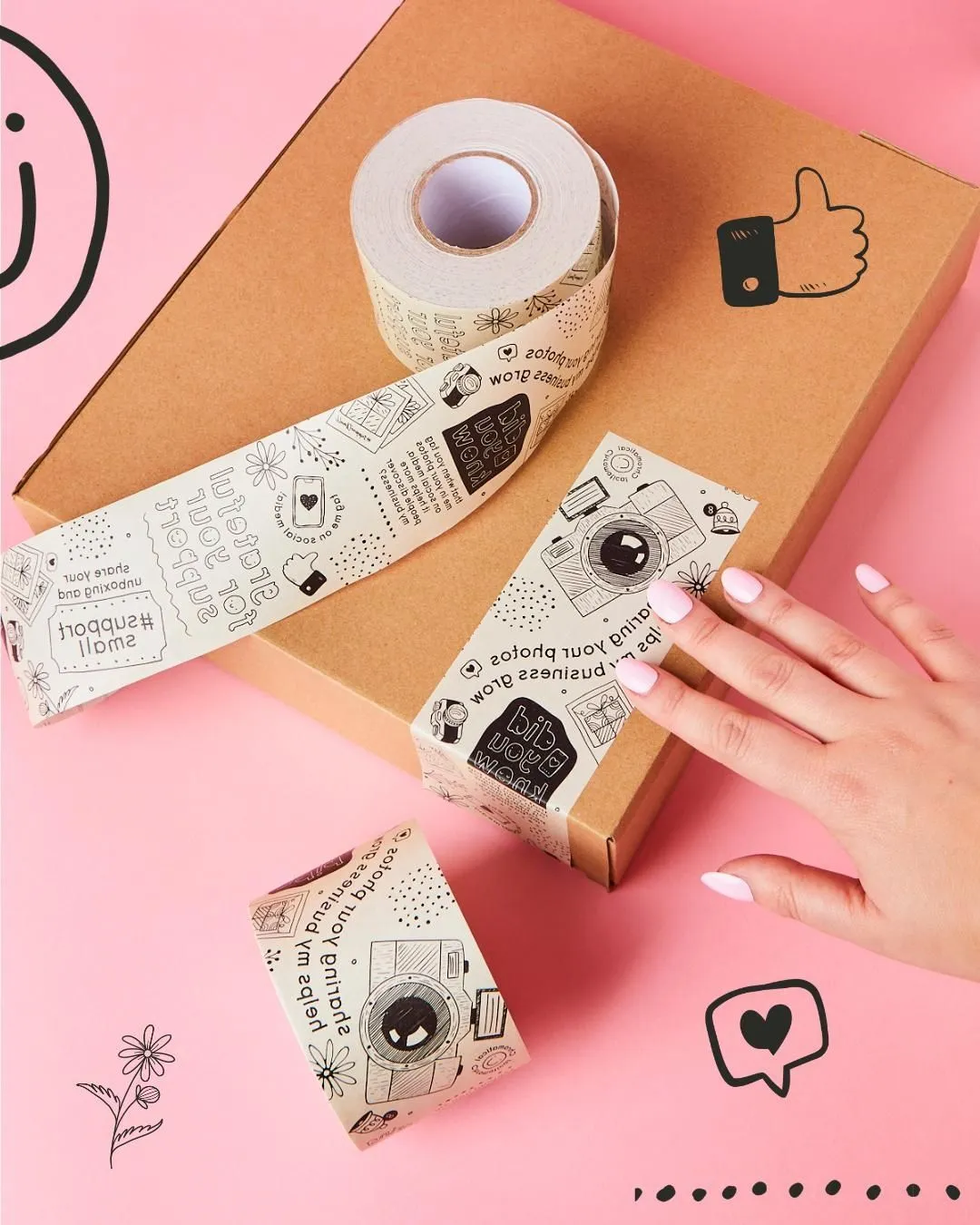
Clothing packaging plays an important role in how customers see a fashion brand. It protects garments during storage and shipping while also creating an opportunity to present your brand professionally.
For clothing brands, packaging can include woven labels, printed tags, stickers, tissue paper, kraft wraps, custom boxes, and reusable bags. Each option serves a different purpose, from sharing product information to creating a consistent brand experience.
Choosing the right combination depends on your clothing style, target market, budget, and brand identity. This guide explains the main packaging options and how to select them for your apparel collection.
Why Clothing Packaging Matters for Fashion Brands
Packaging is more than a protective layer around a finished garment. It can support brand recognition and create a consistent experience from production to delivery.
When customers receive an apparel order, packaging is often one of the first physical elements they interact with. A well-designed package can reinforce the quality and personality of the brand.
Effective packaging can help brands:
- Create a consistent brand identity
- Protect garments during storage and shipping
- Present products more professionally
- Communicate product and care information
- Support a memorable unboxing experience
- Differentiate products in a competitive market
For growing clothing brands, packaging should therefore be considered during product development rather than added at the last stage of production.
Types of Clothing Labels
Labels provide important information while giving garments a recognizable branded appearance. The right label depends on the garment type, fabric, positioning, and desired finish.

Woven Labels
Woven labels are made by weaving threads into a design. They are commonly used for brand names, logos, and size information.
They work well for:
- Streetwear
- Premium apparel
- Hoodies and sweatshirts
- T-shirts
- Jackets
- Denim products
Woven labels are durable and can give garments a polished branded finish.
Printed Labels
Printed labels use ink to display information such as branding, sizing, care instructions, or product details.
They are useful when a design contains fine details or when a brand needs more information within a limited space.
Printed labels can also be a practical option for larger production runs where cost and detailed printing are important considerations.
Heat Transfer Labels
Heat transfer labels are applied directly to the garment using heat and pressure. They can create a smooth finish without adding a traditional sewn label.
They are commonly considered for:
- Activewear
- Sportswear
- Lightweight T-shirts
- Baby clothing
- Performance garments
The final choice should depend on the fabric and the intended use of the garment.
Hang Tags
Hang tags are attached to the garment rather than sewn into it. They can contain branding, pricing, product information, QR codes, or a short brand message.
Common materials include:
- Kraft paper
- Cardstock
- Recycled paper
- Specialty textured paper
For premium collections, brands can also consider finishes such as embossing, debossing, or foil details.
How to Choose the Right Clothing Labels
A label should match both the garment and the brand identity.
Before selecting one, consider:
Garment type: A heavy hoodie may work well with a woven label, while lightweight activewear may benefit from a heat transfer option.
Fabric: Check how the label will interact with the material. Rough or heavy labels may not be suitable for garments that require a soft feel.
Brand positioning: Premium brands may prefer textured woven labels or detailed hang tags, while minimalist brands may use simple printed or heat transfer branding.
Information required: Decide whether you need only a logo and size or additional information such as care instructions and fiber content.
Production requirements: Confirm the label specifications before bulk manufacturing so they can be incorporated correctly into the production process.
Choosing Stickers for Clothing Packaging
Custom stickers are a simple way to add branding to apparel orders. They can be applied to wrapping paper, mailing boxes, poly bags, tissue paper, or other packaging surfaces.
They can serve both practical and promotional purposes.
Popular Sticker Options
Logo stickers: Use your brand logo to create a recognizable package.
Sealing stickers: These can close tissue paper or other wrapping materials.
Thank-you stickers: Add a short message to make packaging feel more personal.
QR code stickers: Direct customers to a website, product page, care instructions, or social media profile.
Care or sustainability stickers: Share relevant information about garment care or packaging materials.
When selecting stickers, consider their size, adhesive strength, finish, and surface compatibility. Matte finishes can create a softer appearance, while glossy finishes can provide a more noticeable look.

Wrapping Options for Apparel Products
Wrapping protects garments while also shaping the customer’s first impression.
The best option depends on the type of clothing, shipping method, budget, and brand positioning.
Tissue Paper
Custom tissue paper can include a logo, repeating pattern, or simple brand design. It is commonly used inside boxes and mailers.
It works especially well for:
- T-shirts
- Shirts
- Sweaters
- Lightweight garments
- Boutique apparel
Kraft Paper
Kraft paper provides a simple and natural appearance. Recycled or responsibly sourced paper can also support brands that want to reduce unnecessary packaging materials.
It can be used for wrapping individual garments or creating a minimal packaging presentation.
Custom Apparel Boxes
Custom boxes offer more protection and provide additional space for branding.
They can be useful for:
- Jackets
- Outerwear
- Premium apparel
- Gift collections
- Multi-item orders
A box can include printed logos, colors, patterns, or other brand elements.

Reusable Fabric Bags
Reusable fabric bags can serve as both packaging and an additional product accessory. They may be suitable for brands that want customers to reuse the packaging after receiving their order.
The material and construction should match the product positioning and intended use.
How to Create Consistent Clothing Packaging Design
Using different packaging components does not mean every element needs a complicated design. Consistency is usually more important than adding too many visual details.
Keep Your Brand Identity Consistent
Use the same or complementary:
- Logo
- Brand colors
- Typography
- Graphic elements
- Tone of messaging
For example, a minimalist fashion brand may use a simple logo on neutral tissue paper and a clean hang tag. A streetwear brand may use stronger graphics and bold typography.
Avoid Overdesigning
Too many colors, graphics, and messages can make packaging look cluttered.
Choose a few recognizable brand elements and use them consistently across labels, stickers, tags, and wrapping.
Include Useful Information
Packaging can communicate information without making the design feel crowded.
Depending on the product, you may include:
- Brand name
- Website
- Social media handle
- QR code
- Product information
- Care information
- Short brand message
Only include information that has a clear purpose.
How to Choose Sustainable Clothing Packaging
Sustainability has become an important consideration for many apparel brands. However, choosing an eco-friendly material should involve more than simply adding a sustainability claim to the package.
Brands can consider options such as:
- Recycled paper
- Kraft paper
- Reusable fabric bags
- Recyclable cardboard boxes
- Minimal packaging designs
- Reduced plastic use where practical
The packaging material should also be suitable for protecting the garment during storage and transportation.
For brands making sustainability claims, packaging descriptions should accurately reflect the actual material and its properties.
How Much Does Clothing Packaging Cost?
The cost of packaging varies according to several factors.
These include:
- Material type
- Packaging size
- Printing method
- Number of colors
- Finishing options
- Order quantity
- Customization level
- Shipping requirements
For example, a simple logo sticker will normally have different production costs from a fully printed custom box.
Clothing brands should compare packaging options based on both unit cost and practical value. The cheapest option is not always the most suitable if it provides poor garment protection or does not fit the brand’s positioning.
When Should Brands Order Packaging?
Packaging should be planned before bulk apparel production is completed.
Ideally, brands should finalize packaging specifications during the product development stage. This gives the manufacturing team enough time to coordinate labels, tags, packaging dimensions, and other components.
A practical workflow is:
- Finalize the garment design.
- Select the fabric and garment specifications.
- Decide on labels and branding details.
- Select stickers and wrapping materials.
- Confirm packaging dimensions.
- Approve samples.
- Confirm packaging quantities.
- Coordinate packaging with bulk production and shipping.
Planning early can reduce last-minute changes and help keep the production schedule organized.
Where to Get Custom Clothing Packaging Made
Clothing brands can source packaging components from specialist packaging suppliers or coordinate them with their apparel manufacturer.
Working with an apparel manufacturer that also supports custom packaging can simplify production because garment and packaging requirements can be managed within the same production workflow.
My Apparel Manufacturer provides custom apparel and packaging solutions for clothing brands, including labels, stickers, hangtags, and wrapping options. This allows brands to coordinate product manufacturing and packaging requirements according to their collection.
When choosing a packaging supplier or manufacturing partner, look for:
- Custom design support
- Suitable material options
- Sample approval
- Clear production specifications
- Reasonable MOQs
- Quality control
- Reliable production timelines
Brands should request samples before placing large packaging orders. This makes it easier to check print quality, colors, dimensions, material feel, and overall presentation.
How My Apparel Manufacturer Supports Custom Apparel Packaging
For clothing brands, packaging works best when it complements the garment itself. Labels, hangtags, stickers, and wrapping can all be planned alongside apparel development.
My Apparel Manufacturer offers custom packaging solutions as part of its apparel manufacturing services. Brands can coordinate packaging elements such as labels, stickers, hangtags, and wrapping with their clothing production.
This can help streamline the process from product development to finished, branded garments.
The company supports clothing brands with:
- Custom apparel development
- Fabric sourcing
- Sampling and prototyping
- Private label manufacturing
- Custom labels and hangtags
- Custom packaging solutions
- Quality-controlled bulk production
For brands producing multiple styles, coordinating packaging requirements early can also help maintain consistent branding across the collection.

Final Thoughts
Clothing packaging is an important part of the product experience. Labels provide branding and garment information, stickers add flexible branding opportunities, and wrapping helps protect products while creating a polished presentation.
The right combination depends on your garment type, target customers, brand identity, budget, and shipping requirements.
Rather than choosing packaging based only on appearance, consider durability, functionality, material compatibility, and production requirements. Ordering samples and approving packaging before bulk production can also reduce mistakes.
For clothing brands looking to coordinate apparel production with custom packaging, My Apparel Manufacturer can support the process from sampling and product development to branded packaging and bulk manufacturing.
Planning a new apparel collection? Share your garment and packaging requirements with My Apparel Manufacturer to discuss custom production and packaging options.


