


In the contemporary competitive world of apparel, fit choice is not merely a design choice, but it directly affects your brand positioning, pricing, and overall sales performance. The question that most clothing brands pose to their manufacturers is: Should we make oversized or regular-fit clothes?
The two kinds are in high demand, and they are used by different audiences and business objectives. This guide simplifies the differences, market trends, and manufacturing considerations to assist you in determining which of the fits will move more of your brand.
What is Oversized Fit?
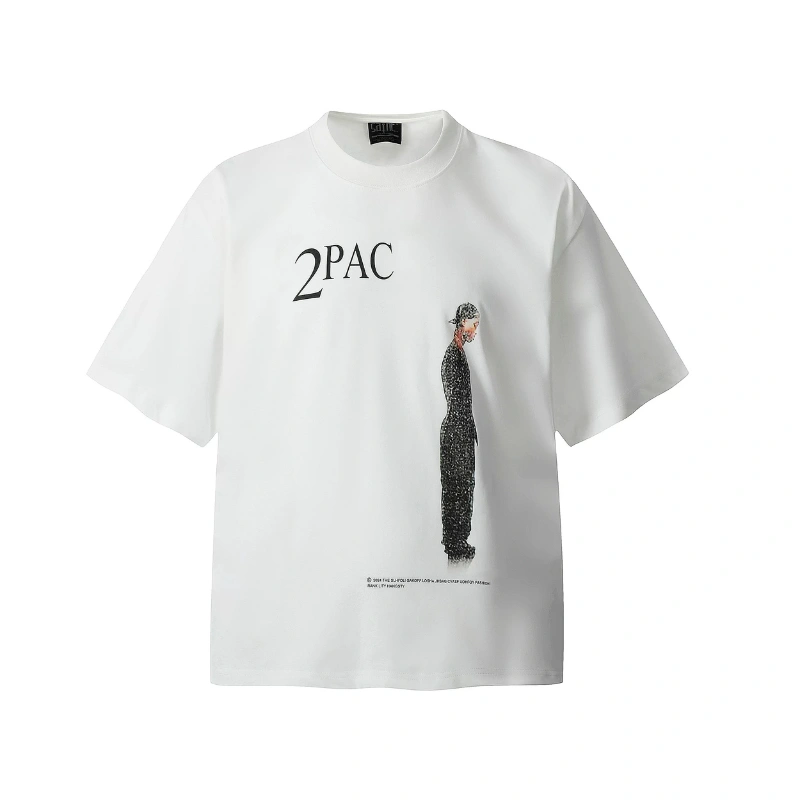
Oversized fit Garments designed to be oversized with a loose fit and high waist are specifically called oversized fit. As opposed to merely one size larger, oversized clothing is tailored to fit some proportions to make it appear trendy and provide additional comfort.

Large clothes are popular in:
- Streetwear collections
- Casual fashion brands
- Athleisure wear
- Youth-focused clothing lines
Design Characteristics
- Oversized clothes usually comprise:
- Dropped shoulders
- Extended sleeve length
- Expanded chest and body size.
- Extended garment length (in certain styles)
Why It’s Popular
- Big fashion has increased because of:
- Impetus of streetwear culture.
- Influencer trends and social media.
- Higher comfort-oriented clothing needs.
- Move to casual, informal fashions.
What is Regular Fit?
Regular fit is a common, standard cut commonly worn in most clothing. It is made in a form that is natural to the body, without being tight or loose, to be put to everyday use.
Regular fit is commonly used in:
- Basic t-shirts and polos
- Corporate and uniform clothing
- Casual and semi-formal wear
- Mass-market retail collections

Design Characteristics
Regular fit garments feature:
- Balanced proportions
- Structured shoulder alignment
- Standard sleeve and body width
- Consistent sizing across markets
Why It Remains Popular
Regular fit continues to dominate because:
- It appeals to a wide demographic
- It is versatile for multiple occasions
- It offers predictable sizing for customers
- It is easier to produce at scale
Oversized vs Regular Fit: Key Differences
| Factor | Oversized Fit | Regular Fit |
| Style Positioning | Trend-driven, fashion-forward | Classic, timeless |
| Target Market | Gen Z, streetwear audience | Broad, global audience |
| Comfort Level | Loose and relaxed | Balanced comfort |
| Fabric Consumption | Higher | Standard |
| Production Complexity | Moderate to high | Low |
| Pricing Strategy | Premium potential | Competitive pricing |
| Return Risk | Higher (fit preference varies) | Lower (predictable fit) |
Trend Perspective
Oversized clothing is currently dominating fashion trends, especially in:
- Streetwear brands
- Influencer-driven collections
- Online fashion retailers targeting younger audiences
These products often achieve:
- Higher perceived value
- Stronger branding appeal
- Better margins per unit
Volume Perspective
Regular fit still leads in total global sales volume because:
- It suits all age groups
- It fits multiple use cases (casual, workwear, uniforms)
- Retailers rely on it for consistent turnover
Market Reality
- Oversized fit = higher margin, trend-driven demand
- Regular fit = stable, high-volume sales
Successful brands typically combine both strategies instead of choosing only one.
Consumer Behavior and Buying Patterns
Understanding your target customer is critical when choosing between fits.
Oversized Buyers
- Younger audience (16–35)
- Fashion-conscious and trend-driven
- Influenced by social media
- Willing to pay more for style
Regular Fit Buyers
- Wider age range
- Practical and comfort-focused
- Repeat buyers of basics
- Price-sensitive but consistent
Manufacturing Considerations
Choosing between oversized and regular fit also affects your production process and costs.
Oversized Fit Manufacturing
- Requires custom pattern development
- Uses more fabric per garment
- Needs careful fit sampling
- May require multiple revisions before bulk production
- Higher production cost, but allows premium pricing
Regular Fit Manufacturing
- Uses standard patterns
- Faster sampling process
- Easier size grading
- Lower fabric consumption
- More efficient for bulk production
Cost and Pricing Strategy
Oversized Fit
- Higher material cost
- Higher perceived value
- Better suited for premium branding
- Ideal for limited collections or drops
Regular Fit
- Lower production cost
- Competitive pricing
- Suitable for bulk wholesale
- Ideal for long-term product lines
Product Strategy for Clothing Brands
Instead of choosing one fit, most successful brands use a mixed strategy.
Recommended Approach
Develop two product categories:
- Core Products (Regular Fit)
- Basic t-shirts
- Polo shirts
- Uniform apparel
- Everyday essentials
- Trend Products (Oversized Fit)
- Hoodies
- Streetwear t-shirts
- Sweatshirts
- Limited edition collections
This approach allows you to:
- Maintain steady revenue
- Capture trend-driven demand
- Appeal to multiple customer segments
Common Mistakes to Avoid
- Using regular fit patterns for oversized designs
- Ignoring target audience preferences
- Overproducing oversized items without demand validation
- Not testing fit samples before bulk production
- Pricing oversized items too low (losing margin opportunity)
How to Choose the Right Fit for Your Brand
Ask yourself the following:
- Who is your target audience?
- Are you building a trend-focused or mass-market brand?
- What is your pricing strategy?
- Do you plan to sell retail, wholesale, or both?
If your goal is branding and differentiation, oversized fit is a strong option.
If your goal is stability and scale, regular fit is essential.
Final Verdict
Oversized and regular fit are not competitors—they are complementary strategies.
Oversized fit delivers:
- Trend relevance
- Higher margins
- Strong brand identity
Regular fit delivers:
- Consistent sales
- Broader market reach
- Scalable production
The most effective approach is to combine both fits within your product line to maximize revenue and market coverage.
Get a Free Consultant now
In case you have plans to produce oversized or regular fit garments, it is advisable to engage a manufacturer who is well-experienced in production to have better accuracy in the fit, choice of fabric, and efficiency in production.
Get a quote now to begin creating your collection using the right fit strategy.


