

Introduction
In today’s highly competitive apparel industry, hoodies have become one of the most profitable and in-demand clothing products worldwide. For business owners and brands, success does not depend only on design — it starts with smart Fabric for Hoodies selection. If you are planning to launch or scale your clothing brand, explore our custom hoodie manufacturing services to get premium quality production with expert fabric guidance. Choosing the wrong fabric can damage your brand and reduce profits. According to Textile Exchange, fabric selection plays a major role in sustainability, performance, and long-term product value in the apparel industry.
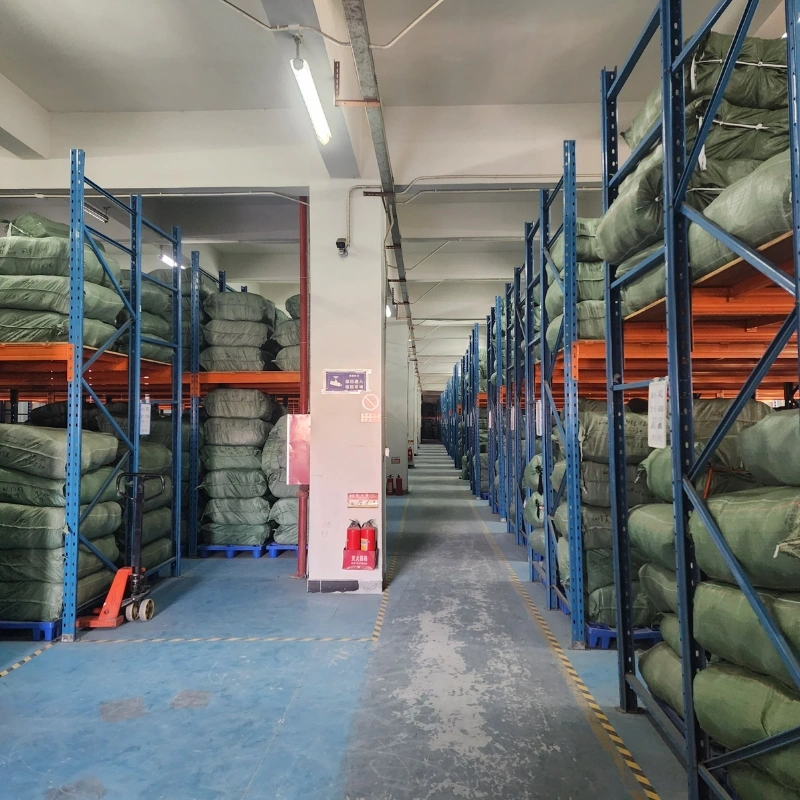
A strong fashion brand production strategy always begins at the production level, where fabric quality directly impacts pricing, customer satisfaction, and long-term business growth.
Choosing the wrong fabric can result in:
- Low product quality
- High return rates
- Weak brand reputation
- Reduced profit margins
But selecting the right fabric improves:
- Product durability
- Customer satisfaction
- Brand identity
- Business profitability
This is why understanding fabric selection is essential in any apparel manufacturing guide.
1. Understanding Hoodie Fabric Types in Manufacturing
Before starting custom hoodie production, every business owner must understand the most commonly used materials in the market.
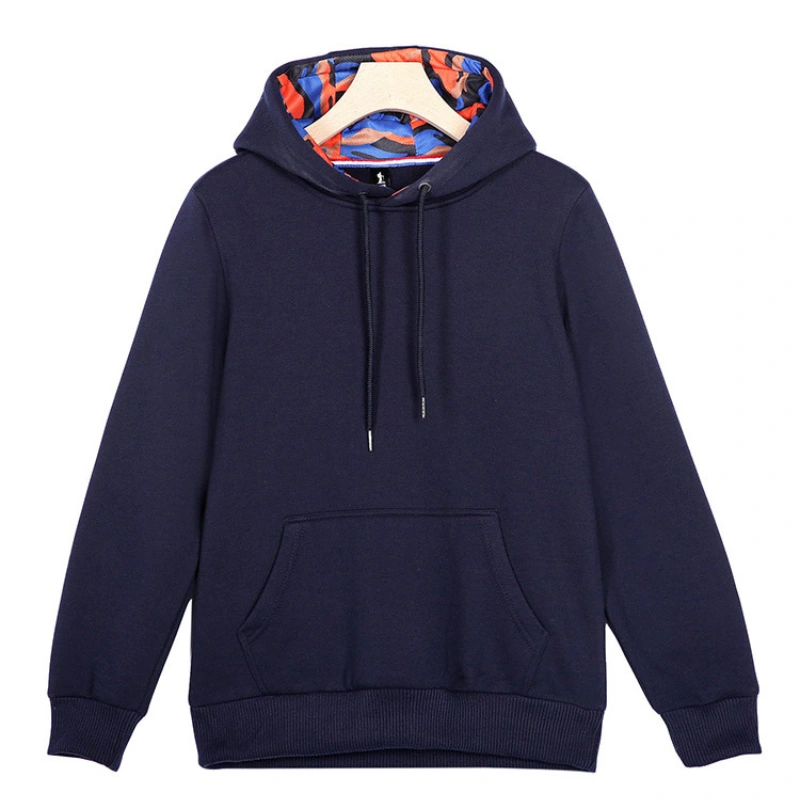
✔ Cotton Fleece
Cotton fleece is widely used in modern hoodie fabric types.
- Soft and breathable
- Comfortable for daily wear
- Premium feel for lifestyle brands
Best for: streetwear, fashion brands, and lifestyle clothing businesses
✔ Polyester Fleece
Polyester fleece is popular in scalable hoodie manufacturing business setups.
- Strong and durable
- Moisture-resistant
- Cost-effective for mass production
Best for: sportswear and activewear brands
✔ Cotton-Polyester Blend
This is the most widely used option in bulk hoodie production.
- Balanced comfort and durability
- Affordable for large orders
- Reduced shrinkage issues
Best for: startups and mid-level fashion businesses
✔ French Terry Fabric
A modern fabric option for premium brands.
- Lightweight and smooth
- Breathable structure
- Stylish and modern finish
Best for: premium fashion collections and summer hoodies
2. GSM – The Key Factor in Fabric Quality
In every clothing manufacturer guide, GSM (grams per square meter) is one of the most important quality indicators.
✔ GSM Levels:
- 200–250 GSM → Lightweight hoodies (summer wear)
- 250–300 GSM → Standard hoodies (daily use)
- 300–400 GSM → Heavyweight premium hoodies
A strong fashion brand production strategy uses higher GSM for premium positioning and better pricing power. Our team ensures the right GSM selection based on your brand positioning through our custom apparel manufacturing process.
3. Choosing Fabric Based on Target Market
Successful brands always match fabric with customer expectations. If you’re targeting global markets like the USA and Europe, working with an experienced clothing manufacturer for startups can help you choose the right fabric strategy.
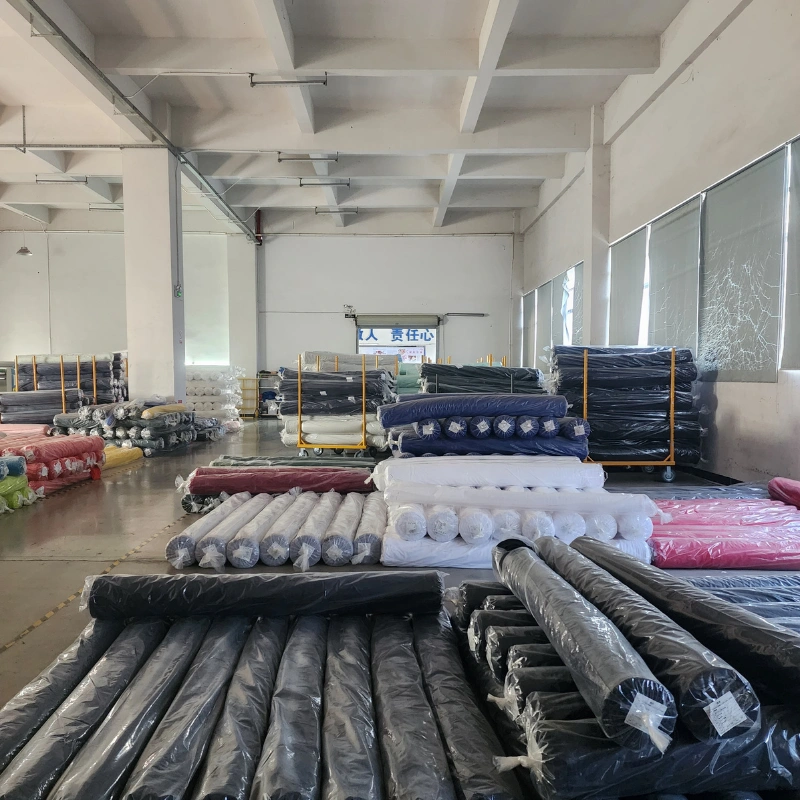
✔ Budget Market
- Fabric: Cotton-poly blend
- Strategy: Affordable pricing and high volume sales
✔ Streetwear Market
- Fabric: Heavy cotton fleece
- Strategy: Strong branding and trend appeal
✔ Sportswear Market
- Fabric: Polyester fleece
- Strategy: Performance-focused apparel
✔ Premium Market
- Fabric: High GSM cotton fleece or French terry
- Strategy: High-end fashion positioning
Proper hoodie fabric selection ensures better market success.
4. Comfort as a Business Growth Factor
Modern customers expect hoodies that deliver comfort and durability. We focus on comfort-driven production in our private label clothing manufacturing services, helping brands build long-term customer loyalty.
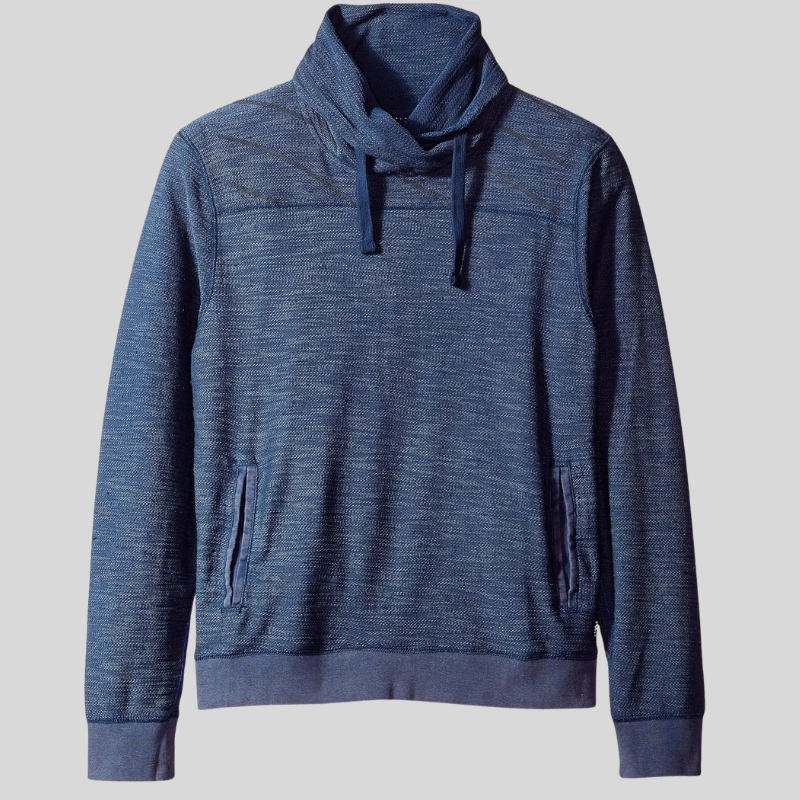
Key expectations include:
- Soft texture
- Breathability
- Long-lasting wear
A strong fashion brand production strategy always prioritizes comfort because it increases:
- Customer loyalty
- Repeat orders
- Brand trust
5. Cost vs Profit Strategy
Business owners must balance cost and profit carefully.
✔ Low-Cost Strategy
- Lower production cost
- Competitive pricing
- High competition market
✔ Premium Strategy
- Higher production cost
- Higher selling price
- Strong brand value
Smart businesses focus on value-driven production instead of cheap materials.
This is especially important in private label hoodies manufacturing.
6. Durability and Fabric Performance
High-quality hoodies must maintain performance over time.
A good fabric should:
- Maintain shape after washing
- Resist shrinkage
- Hold color quality
- Support strong stitching
Poor durability negatively affects your hoodie manufacturing business reputation.
7. Importance of Sampling Before Bulk Production
Before starting bulk hoodie production, sampling is essential. At My Apparel Manufacturer, we provide sampling services before bulk production so you can test fabric quality, fit, and design before scaling.
Sampling helps:
- Test fabric quality
- Evaluate comfort and fit
- Check stitching accuracy
- Prevent production errors
A professional fashion brand production strategy always includes sample approval before mass production.
8. Manufacturer Role in Fabric Selection
A reliable clothing manufacturer guide highlights the importance of choosing the right partner.
A good manufacturer helps you:
- Select suitable fabrics
- Optimize production cost
- Maintain consistent quality
- Scale production efficiently
In custom hoodie production, the manufacturer is a key business partner, not just a supplier.
9. Impact of Fabric Selection on Brand Growth
Fabric choice directly affects:
- Brand identity
- Customer satisfaction
- Market positioning
- Profit margins
- Business scalability
Without proper hoodie fabric selection, even good designs can fail in the market.
A successful hoodie manufacturing business always focuses on material quality first.
Conclusion
Choosing the appropriate fabric for hoodies is one of the essential factors in garment production. For entrepreneurs, choosing the right material goes beyond production – it involves creating a successful brand.
With proper planning in fashion production, your company will enjoy better quality, more satisfied customers, and sustained success.
Learn about different fabrics, GSM values, market segments, and fashion production strategies to create a thriving clothing brand.