

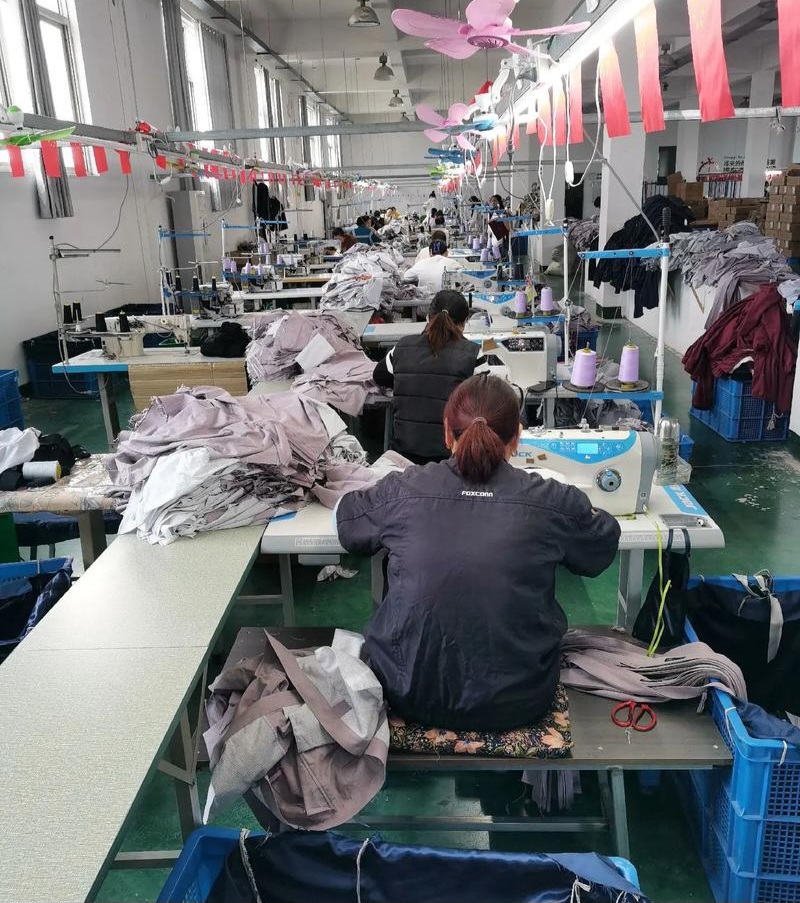
Plan apparel seasonal collections with smarter forecasting and flexible production. Reduce overstock, control costs, and improve inventory decisions.
Planning apparel seasonal collections is about more than launching new designs at the right time. Brands need to balance the customer’s demand, production schedule and inventory levels, otherwise they risk making costly mistakes. When your inventory is too high, you’re tying up capital in inventory that you can’t sell, and when you’re underwater you lose sales and customers.
By employing a well-structured seasonal strategy, brands can better predict customer demand, optimize production levels, and adapt to changing market dynamics. You’ll discover in this article how to plan seasonal collections, how to trim-and-tune your inventory, and how to work with the right manufacturing method to maximize your profits.
Why Seasonal Collection Planning Matters
The starting point of a successful apparel seasonal collection is a clearly defined strategy, rather than assumptions. Customers’ preferences, buying habits, and market trends vary from season to season. What works well for a collection one season, may not work the next, so careful planning is crucial.
Consumer behaviour, social media and retail demand can rapidly change fashion trends. Using outdated data or guesswork leads to brands producing too much or not enough.
However, poor planning has more than an impact on inventory. Having too much stock on hand raises storage costs, ties up working capital and can lead to lost sales and customer dissatisfaction, while having too little stock can cause lost sales and dissatisfied customers. Apparel brands can minimize risk, optimize cash flow, and with greater confidence introduce their seasonal collections by predicting the demands, planning carefully, and making data-driven decisions.
The Real Cost of Overstocking in the Apparel Industry
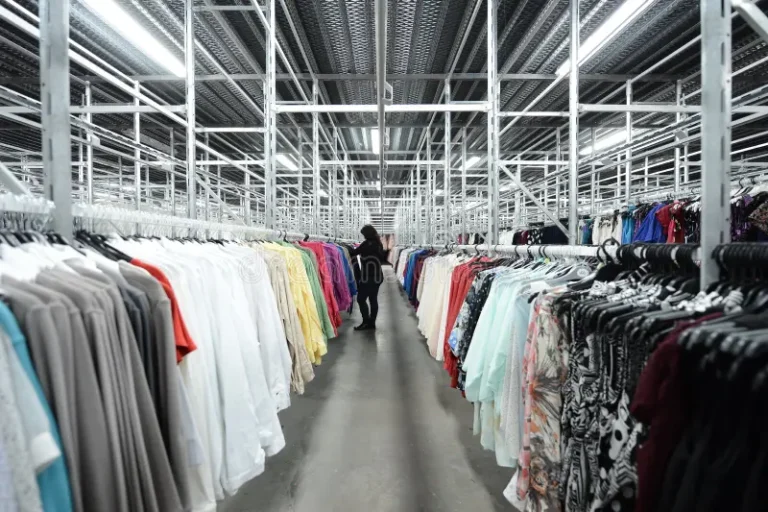
Apparel brands are faced with one of the costliest problems – overstocking. Having to carry more inventory than customers want is not only an expensive affair but also makes the company less profitable and less able to expand. Although carrying over a buffer stock might appear to be a buffer, it can cause financial and operational difficulties throughout the business.
Increased Storage and Warehouse Costs
When you carry too much inventory, you need additional warehouse space, storage equipment, and inventory management resources. While products are waiting to be sold, storage costs still mount up and the return on each collection is decreased.
Heavy Discounts That Reduce Profit Margins
If the products don’t come out of the season, brands will have to resort to discounts and clearance for inventory. This will reduce the profit margin, but it can also diminish the value of the collection, as well as the amount of storage space.
Cash Flow Becomes Limited
The funds used to purchase unsold stock cannot be allocated to product development, marketing or future production. Due to inadequate cash flow, brands find it difficult to respond to the market needs and introduce their new collections quickly.
Unsold Inventory Can Damage Brand Value
Inability to sell out of old season products could have an impact on customer perception of a brand. Frequent sales may diminish the exclusivity of the products, and older products divert attention from newer ones that are more in line with current fashions.

Build Your Seasonal Collection Around Reliable Data
Seasonal collections are done by making sense of information, not by guessing. With reliable information brands can more accurately predict demand, minimise inventory risks and make better production decisions. Before finalizing designs or placing manufacturing orders, it’s important to analyze past performance and current market conditions.
Review Previous Seasonal Sales
The first step is to review the sales figures from the previous seasons. Determine which products were selling well, which sizes and colors were the top choices and which products were not selling. These insights enable you to plan your future collections on genuine consumer demand and not assumptions.
Understand Customer Buying Behavior
Customers’ preferences evolve over time and it is necessary to know how customers interact with your brand. Look at buying habits, reordering, and customer comments to understand the factors that affect buying. This information can be utilized to better design collections to meet the needs of your target audience.
Monitor Market and Fashion Trends
With staying on top of industry trends, brands can remain competitive without going overproduction. Pay attention to fashion news, consumer trends, social media and retail updates, and look for trends that are emerging. When market trends are combined with sales data, your decisions can be more informed, and you will not risk overstocking. Brands should also follow industry resources such as National Retail Federation (NRF) to stay informed about changing consumer demand and retail trends.
Forecast Demand Before You Start Production
Accurate forecasting enables brands to make the correct amount of product at the correct time. Accurate forecasting reduces inventory risk and enhances planning. Don’t make assumptions, but use several data sources for informed decisions.
Look at some of the past sales first. Try to identify trends in popular products, popular sizes and popular colors. This will help you to have a solid base for planning ahead. Following best practices from APICS Supply Chain Council can help brands improve demand forecasting and production planning.
Next, estimate the existing market demand. What people are buying can be predicted from fashion trends, customer preferences and industry reports.
Pre-orders are another piece of information. Pre-orders show real customer interest before full-scale production begins. The commitments for wholesalers are also significant, as they are confirmation of retail needs.
Last, but not least, take into account variations in regional demand. Selling a product that is popular in one market may not be a success in another. Adjustment in the production by region helps to decrease surplus inventory.
Data Sources for Better Demand Forecasting
| Data Source | How It Helps |
| Previous Sales Reports | Identify best-selling products |
| Customer Purchase History | Understand buying patterns |
| Market Trends | Predict upcoming demand |
| Pre-Orders | Estimate production quantities |
| Wholesale Orders | Reduce inventory risk |
Start With Smaller Production Runs
The more that is produced, the more risk of inventory. Brands can take advantage of a small production run to gauge customer demand before committing to a larger investment.
Early sales are good indicators. They indicate the products that the customers favour and what needs to be improved. Brands can then ramp up production of a successful product and not waste inventory on products that aren’t selling.
Use Garment Sampling Before Full Manufacturing
Garment sampling allows problems to be found prior to the initiation of bulk production. It enables brands to assess all aspects of the product and make improvements early on.
Approval of the sample means the final product is the same as the original design. Fit testing allows for the garment to perform well in all sizes. Fabric testing is a way to test quality, comfort and durability. Design validation determines if colors, trims, and construction are as desired. It is much cheaper to correct problems during sampling than after the production has begun.
Plan Fabrics and Materials Early
Planning ahead will avoid production delays. It also provides brands with cost and timeliness control.
Confirm Fabric Availability
Review fabric prior to collection. This will minimize risks of stockouts and long lead times.
Order Trims in Advance
Trims, such as buttons, zippers, labels, etc. should be ordered early. When garments are ready to sew, but do not have the necessary trims, production can be delayed. Ordering premium garment accessories such as buttons, zippers, labels, and drawstrings early helps prevent production delays and ensures a consistent product finish.
Leave Time for Supplier Delays
The disruptions in the supply chain can occur at any time. Having additional time in your schedule helps to keep production on track.
Work With a Flexible Apparel Manufacturing Partner
The right manufacturing partner makes seasonal planning much easier. Flexibility allows brands to respond quickly as demand changes.
Low minimum order quantities help brands launch collections with less risk. Flexible production makes it easier to increase or adjust orders when sales improve. Fast sampling speeds up product development and approval. Reliable communication keeps every stage of production clear and on schedule. A flexible manufacturer helps reduce overstock while supporting long-term business growth. Private Label Manufacturing gives apparel brands greater control over production, helping them launch seasonal collections without overstocking.
Monitor Inventory Throughout the Season
Seasonal planning does not stop once production has started. Regular stock monitoring should be done during the sales period.
Monitor weekly sales to gain insight into product performance. Track sell-through and marketing information on products and lines that are moving quickly. Schedule restocking of products that have high demand. Examine slow moving inventory in a timely fashion to make necessary changes before too much stock piles up.

Inventory Metrics Every Apparel Brand Should Track
| Metric | Why It Matters |
| Sell-Through Rate | Measures product performance |
| Inventory Turnover | Shows stock movement |
| Stock Coverage | Prevents shortages |
| Return Rate | Indicates product issues |
| Reorder Point | Helps avoid stockouts |
Create a Backup Plan for Slow-Selling Products
Slow sales products can even be part of a well-established collection. A contingency plan is a plan to recover the value without unnecessary losses.
Offer specific promotions for specific products. Offer bundle — boost order value. Provide small discounts rather than big ones. Remarket to interested shoppers with remarketing campaigns. If demand is low, change the production levels in the future, so that the problem is not repeated.
Common Seasonal Collection Mistakes
Many inventory problems begin with avoidable mistakes. Recognizing them early can improve future planning.
- Producing more inventory than demand requires.
- Ignoring customer buying behavior and sales data.
- Skipping garment sampling before production.
- Waiting too long to start manufacturing.
- Following trends without validating demand.
- Failing to review previous seasonal performance.
Avoiding these mistakes helps brands launch more profitable collections with less risk.
Why Choose My Apparel Manufacturer
Seasonal planning starts long before production. At My Apparel Manufacturer, our specialist team collaborates closely with brands to minimize risk and enhance efficiency throughout.
We offer low MOQs starting from 50 pieces per style and color, complete sampling in 7–10 business days, and maintain a 98% on-time delivery rate to help brands launch seasonal collections with confidence.
Quality control checks are carried out during the production of the goods to ensure high standards. Production planning is crucial to help delay free organization and avoid delays. We also pay attention to on time delivery so that brands can launch collections at the time when demand is the highest.
Final Thoughts
The key to successful seasonal collections is planning and making informed decisions. Accurate forecasting aids brands in making proper production quantities. Flexible manufacturing allows more flexibility in meeting changing demand. With real-time data, stock tracking and a good production partner, brands can avoid excess stock, optimize cash flow, and create more profitable collections.