



Estimate the true cost of apparel production by accounting for materials, labor, overhead, and logistics. Build accurate cost sheets to price profitably.
To make informed sourcing decisions and to set profitable prices, it is vital for apparel brands and sourcing teams to understand the actual cost of apparel production before placing bulk orders. In addition to fabric and labour, other costs like sampling, factory overheads, quality control, packaging and logistics all contribute to the garment’s final cost.
Fashion brands can enhance their profit margins by analysing each cost segment and developing a structured cost sheet. This also helps to eliminate unforeseen costs and streamline the production process. With experience in helping global brands manage apparel production, My Apparel Manufacturer focuses on accurate costing, quality control, and efficient manufacturing solutions
Breaking Down the True Cost of Apparel Production
Before starting bulk manufacturing, apparel brands need to understand each cost category and how it impacts the final garment price.
Direct Costs vs. Indirect Costs
A direct cost is a cost that is directly attributable to a particular garment. These include fabric, trim, labour and packaging for that product. Indirect costs benefit the entire operation but not a specific product. This includes factory rent, utilities, equipment maintenance, and administrative costs. Both are taken into consideration so that every style is priced correctly and is still profitable.
Fixed Costs and Variable Costs
Fixed costs are relatively constant for the range of production. This can include facility rent, salaries of employees, or insurance. Variable costs are costs that change as production changes, like fabric, piece-rate sewing, and shipping costs. Knowing the cost of such items allows brands to predict costs, determine minimum order quantities, and maximize production efficiency.
Material Costs That Shape Your Budget
The cost of materials is often the biggest component of apparel manufacturing costs.A careful assessment of each element helps apparel brands and buyers maintain accurate pricing, protect margins, and avoid unexpected production expenses.
Fabrics, Trims, and Packaging
Fabric is usually the highest cost material; the cost is dependent on fiber content, weight, finishing, and source. The various trims, including zippers, buttons, labels and draw cords, serve both a functional role and contribute to the brand value of the product, as do the packaging materials that are used to influence the presentation and shipping. This allows everyone to see the cost of each individual item, giving an accurate picture of the cost of each garment. Investing in custom apparel packaging enhances the unboxing experience while helping brands reinforce their identity and protect garments during transit.
Waste Allowances and Yield Calculations
Not all bought fabric is a finished product. Losses, defects and shrinkage should be considered as a waste allowance in planning production. Yield calculations help the brands to order the appropriate quantity of fabrics, avoid excess stocks and ensure consistent profitability. In our experience, allowing 3–5% extra fabric for knit styles and 5–8% for woven garments helps prevent shortages during bulk production.
For example: if a brand orders 1,000 hoodies, planning a small fabric allowance for cutting waste helps ensure enough material is available for the complete order without unexpected shortages
Labor and Factory Overhead Expenses
For apparel brands working with manufacturing partners, labor and factory overhead expenses are key factors in calculating the true production cost. These costs are included so that the price of each garment reflects the actual resources that are used to create it.
Cutting, Sewing and Finishing Costs
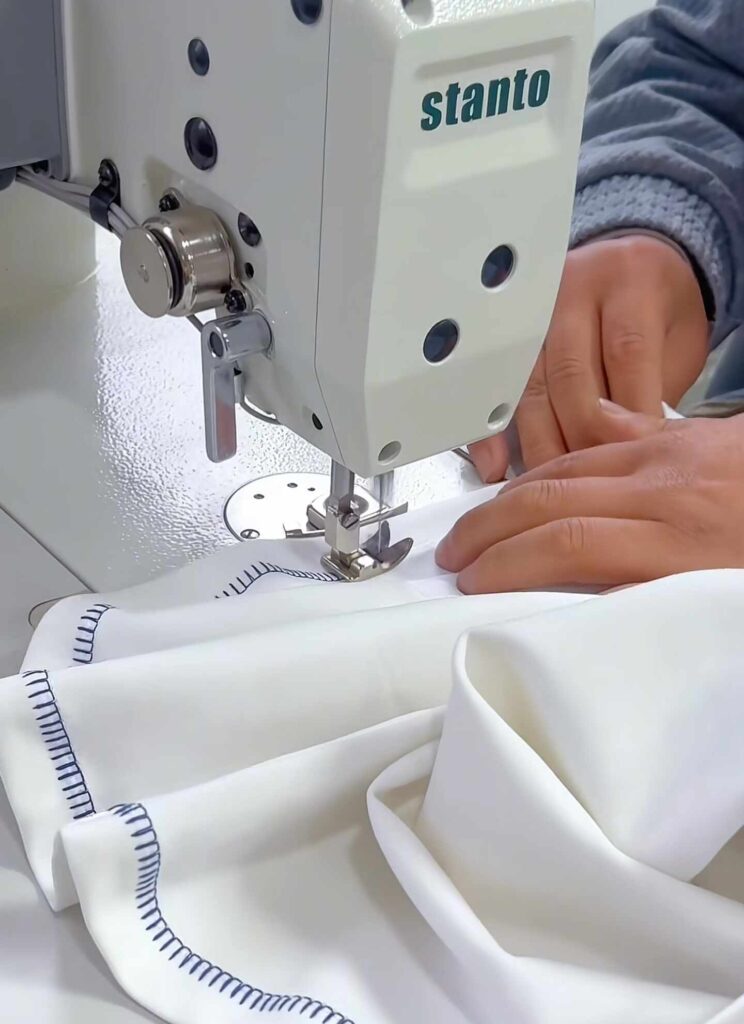
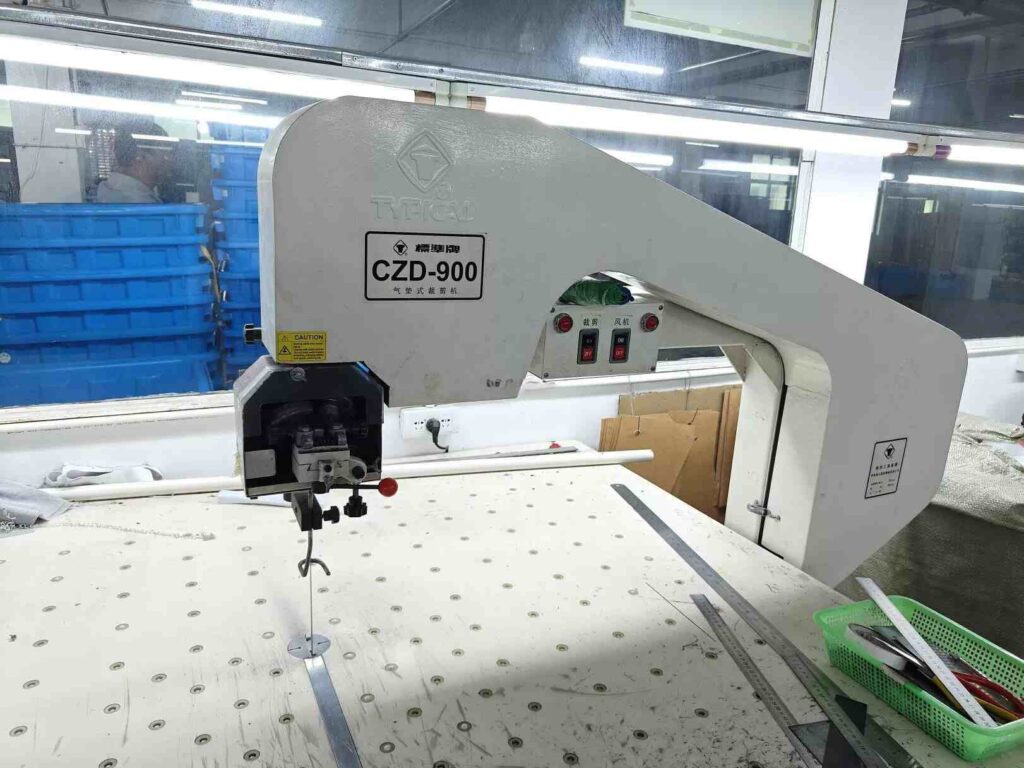
The price of labor can fluctuate based on the complexity of the garment, the methods used for constructing them, and their efficiency in production. Fabric preparation involves cutting, fabric assembly and sewing, and fabric finishing, including pressing, trimming, and inspection. Keeping an eye on the time and the skills needed during each phase ensures more precise cost estimates.
Utilities, Equipment and Facility Expenses
Factories have regular overheads to ensure they continue to produce goods. These expenses on electricity and machinery maintenance, depreciation, rent and the rest of the facility are not directly attributable to any particular garment but are distributed across every order. Properly distributing these costs enables brands to set sustainable prices and profit margins.
Product Development and Pre-Production Costs
Brands invest in development activities that improve the product and minimise production risks before embarking on the process of bulk manufacturing. These initial costs are crucial for maintaining uniformity of quality and costing.
Pattern Making and Sampling
Patterns create the fit and construction of a garment; samples are used to test a pattern for style, size, and workmanship. The changes done at this stage prevent costly changes in mass production and ensure the product is what the brand expects.
Approving a fit sample and a pre-production sample before bulk cutting significantly reduces rework and delivery delays. At My Apparel Manufacturer, we help brands refine their designs through sampling and production planning before moving into bulk manufacturing.
Most apparel brands go through multiple sample reviews before bulk production to finalize fit, measurements, fabric quality, and finishing details.
Testing and Compliance Requirements
There are many garments that have to be tested to ensure performance, safety and durability. Costs of compliance can encompass fabric testing, colorfastness testing and certifications for retailers or markets. These costs are part of the budget and can help brands avoid delays and keep them on the market. Many apparel brands use certifications such as OEKO-TEX to verify textile safety and ensure fabrics meet required quality standards. Textile Exchange provides resources that help brands make informed decisions about responsible material sourcing.
Logistics and Post-Production Expenses
The cost of apparel production extends beyond the factory floor. Delivering finished goods to customers and maintaining quality standards require careful budgeting after manufacturing is complete. For large-volume orders, sea freight is often preferred due to lower transportation costs, while air freight is usually selected for urgent deliveries
Freight, Duties, and Warehousing
The landed cost of a garment can be influenced greatly by transportation costs, import duties, and storage. If a brand plans ahead for these expenses, they can select the most efficient shipping options, and also steer clear of any unexpected charges. For time-sensitive launches, air freight may justify its higher cost, while sea freight typically provides the lowest landed cost for larger orders.
Quality Control and Returns Contingencies
Final inspection confirms that products are conforming to the specification before going to market. It’s also a good idea to store money for any returns, replacements or reworking that may be necessary. These contingencies help ensure a profitable business and a good customer experience. Conducting an AQL-based final inspection before packing enables factories to identify and correct defects before shipment
Estimated Apparel Production Pricing Examples
Production costs vary depending on garment type, fabric selection, customization level, and order quantity. At My Apparel Manufacturer, brands can estimate their initial investment using practical production ranges based on common apparel categories.
| Garment Type | MOQ Range | Price Range (Per Unit) | Production Details | Lead Time | Sample Cost | Payment Terms |
| Basic T-Shirts | 100–500 units | $5.50 – $9.00 | 160–180 GSM cotton, 1–2 color screen print | 15–20 business days | $30–$80 | T/T, PayPal, Wise |
| Premium T-Shirts | 100–500 units | $8.00 – $12.00 | 220 GSM combed cotton, oversized fit. | 15–20 business days | $30–$80 | T/T, PayPal, Wise |
| Hoodies (Standard) | 100–500 units | $12.00 – $18.00 | 280 GSM fleece, kangaroo pocket. | 15–20 business days | $30–$80 | T/T, PayPal, Wise |
| Hoodies (Premium) | 100–500 units | $12.00 – $22.00 | 320 GSM heavyweight fabric, custom trims | 15–20 business days | $30–$80 | T/T, PayPal, Wise |
| Crewneck Sweatshirts | 100–500 units | $18.00 – $28.00 | Custom sweatshirt production with premium fabric. | 15–20 business days | $30–$80 | T/T, PayPal, Wise |
| Joggers / Sweatpants | 100–500 units | $10.00 – $18.00 | French terry or fleece, elastic waist. | 15–20 business days | $30–$80 | T/T, PayPal, Wise |
| Shorts (Athletic) | 100–500 units | $18.00 – $28.00 | Performance fabrics with customized construction | 15–20 business days | $30–$80 | T/T, PayPal, Wise |
| Jackets (Lightweight) | 100–500 units | $18.00 – $32.00 | Lightweight materials, zipper closure. | 15–20 business days | $30–$80 | T/T, PayPal, Wise |
| Jackets (Technical) | 100–500 units | $12.00 – $18.00 | Technical fabrics, custom trims | 15–20 business days | $30–$80 | T/T, PayPal, Wise |
For example: a standard T-shirt with 160–180 GSM cotton and basic printing may cost around $5.50–$9.00 per unit, while premium garments with heavyweight fabrics, custom trims, and complex designs can increase the overall production cost. Understanding these factors helps apparel brands plan budgets and choose the right manufacturing approach
Creating an Accurate Apparel Production Cost Sheet
A well-designed cost sheet helps apparel brands, sourcing managers, and buyers track every expense involved in a garment before confirming production orders. Break down all the costs involved in the project and note the number of units needed per cost. Check and revise the sheet as necessary when the price, method of manufacture, or shipping cost of the materials change.
An accurate cost sheet allows brands to price with confidence, predict profits, and make production decisions with confidence. My Apparel Manufacturer helps apparel brands prepare detailed cost breakdowns that cover materials, production processes, and logistics requirements.
A production cost sheet may include fabric cost, trims, labor, packaging, quality checks, and shipping expenses to calculate the complete cost per garment
Real Example of Apparel Cost Optimization
A fashion brand approached My Apparel Manufacturer to develop a new clothing collection while keeping production costs under control. The brand needed better cost visibility because multiple factors, including fabric selection, sampling, trims, packaging, and logistics, were affecting the final product price.
Our team reviewed each cost component and created a detailed production cost breakdown before moving into bulk manufacturing. By evaluating fabric options, optimizing material usage, and planning production requirements early, the brand gained a clearer understanding of its total investment.
This structured approach helped the brand avoid unexpected expenses, improve production planning, and make more confident sourcing decisions. The experience shows how accurate apparel production costing can help brands maintain quality while achieving better control over their margins.
Proven Ways to Control Costs Without Compromising Quality
Saving production costs doesn’t have to mean compromising on quality. By optimizing pattern designs for minimal fabric waste, brands can reduce their costs. Purchasing fabrics in bulk for better rates, and optimizing production processes for greater efficiency, are also ways to keep costs in check. Relationships with suppliers and quality control are also important in eliminating defects and rework. These practices not only maintain product quality but also work to ensure healthy margins and sustainable growth.
Conclusion
The actual cost of apparel production can only be determined if all costs, whether related to materials, labour, logistics or compliance, are included. When apparel brands measure these costs using a detailed production cost sheet, they can make confident sourcing decisions and build profitable manufacturing strategies. It is not only profitable, but also helps to build a better base for future growth, through accurate costing.
Get an Accurate Apparel Production Cost Estimate
Ready to understand your true apparel production costs? Connect with My Apparel Manufacturer to get a detailed cost breakdown, discuss your manufacturing requirements, and receive a customized quote for your next collection.